Electrostatic Field Treatment Shown to Strengthen Tomato Seedlings Without Chemicals
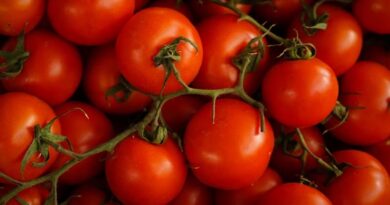
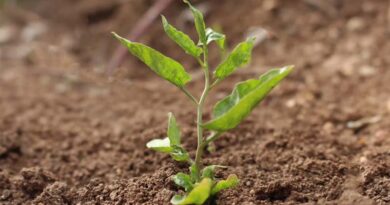
19 September 2026, Shanxi, China: Researchers in China have detailed how exposing tomato seedlings to a high-voltage electrostatic field, an invisible charged field created between two electrodes, changes the plants at a cellular level, making them sturdier and more efficient at photosynthesis. The study, published in the journal Frontiers of Agricultural Science and Engineering, points to a low-input way of producing stronger transplants for greenhouse and nursery growers.
The work was carried out by a team including Ruijie Xie, Yanbo Song, Xiaojing Shi, Liyan Jia, and Zhenyu Liu, drawing on the Shanxi Institute of Technology’s Big Data and Intelligent Engineering program and Shanxi Agricultural University, together with the Dryland Farm Machinery Key Technology and Equipment Key Laboratory of Shanxi Province. The paper appeared in the journal’s August 15, 2026 print issue, and the findings were made public on September 18, 2026.
How an electric field changes a seedling
A high-voltage electrostatic field, or HVEF, works by placing a plant between two electrodes and applying a strong direct-current voltage, which creates an electric field around the plant without passing current through it in a way that would damage the tissue. Earlier studies had shown that HVEF treatment could improve seedling growth, but the mechanisms behind that improvement were not well understood. This study set out to trace exactly how the electric field triggers changes inside the plant, from ion movement in and out of cells through to visible changes in leaf structure.
The researchers applied a positive high-voltage electrostatic field, denoted +HVEF, to tomato seedlings and then measured a chain of physiological responses. They found that treated seedlings took up substantially more magnesium, with leaf magnesium concentration reaching 9.98 milligrams per gram of tissue, well above untreated control plants. Magnesium sits at the center of the chlorophyll molecule, the pigment that captures light for photosynthesis, so higher magnesium uptake helped explain why treated plants also showed increased chlorophyll content and higher activity of enzymes involved in photosynthesis.
The electric field also altered the seedlings’ physical structure. Treated plants developed thicker cell walls in their vascular tissue, the internal plumbing that moves water and nutrients, along with greater stomatal density, referring to the small pores on leaf surfaces that regulate gas exchange and water loss. Cells in treated seedlings also expanded more than in untreated plants. Together, the mineral, biochemical, and structural changes translated into seedlings with greater mechanical strength and improved photosynthetic performance compared with plants grown under normal conditions.
From lab finding to nursery practice
Because the treatment relies on an electric field rather than added chemicals or fertilizer, the authors frame it as a tool for precision cultivation that could reduce reliance on synthetic inputs during the seedling stage. Commercial vegetable nurseries already use various physical treatments, such as controlled temperature and light cycles, to produce stockier, more resilient transplants before they are moved to the field or greenhouse. The authors suggest HVEF could be added to that toolkit, potentially paired with electrical sensors and existing plant monitoring networks in controlled greenhouse settings to fine-tune dosing.
The study is a mechanistic one, meaning it focuses on explaining why the effect happens rather than testing it at commercial nursery scale, so questions remain about optimal voltage, exposure duration, and how the technique performs across different tomato cultivars and other vegetable crops. Prior research from other groups has also tested HVEF on cotton seedlings and on postharvest produce such as tomatoes and avocados, suggesting the underlying physical principle has broader applications across crop physiology and food preservation, though each use case needs its own validation.
Also Read: CropLife India Flags Narrowing Crop Protection Options for Farmers
Global Agriculture is an independent international media platform covering agri-business, policy, technology, and sustainability. For editorial collaborations, thought leadership, and strategic communications, write to pr@global-agriculture.com