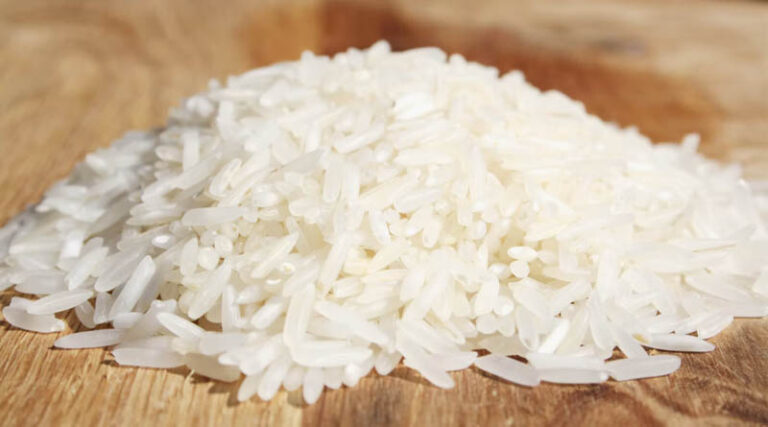
04 November 2026, New Delhi: India’s broken rice exports could face fresh restrictions if international prices keep climbing, the Indian Rice Exporters’ Federation (IREF) warned, as rising ethanol-sector demand and domestic inflation squeeze the grain’s local availability.
IREF Director General Vinod Kaul said international prices for 100% broken rice have risen above $360 per metric tonne, a level he said could prompt the government to act to protect domestic supply. “The possibility of restrictions on broken rice exports cannot be ruled out” if the trend continues, Kaul said.
Domestic price data support the warning. India’s Department of Consumer Affairs put the all-India average wholesale price of broken rice at Rs 3,036 per quintal on November 2, up from Rs 2,883 on October 10, a rise of 5.3% in just over three weeks. Wholesale price inflation for broken rice reached 5.38% year on year in September, up from 4.37% in August.
Ethanol demand competing with exporters and poultry feed
IREF traces the pressure to India’s expanding ethanol-blending program, which relies on grain feedstocks including broken rice, maize and surplus rice released by the Food Corporation of India. Commercial distilleries buy these grains on the open market, putting them in direct competition with poultry feed manufacturers and rice exporters for the same supply. IREF warned that rising costs in these competing industries could add to broader food inflation if left unaddressed.
The government has so far allowed surplus Food Corporation of India rice stocks to be diverted to ethanol production but has not announced any new restriction on broken rice exports, according to IREF.
India has moved on broken rice exports before. The government banned them in September 2022 over domestic availability concerns, and that ban remained in place until March 7, 2025, when exports resumed under the free category. India’s 2025-26 rice production is estimated at a record 154.02 million tonnes, up from 150.18 million tonnes the previous year, and the country exported about 21.57 million tonnes of rice in 2025-26, retaining its position as the world’s largest rice exporter.
IREF cautioned that a record total harvest does not guarantee sufficient supplies of 100% broken rice specifically, since that fraction depends on milling conditions and quality rather than overall paddy output. The federation advised exporters to be cautious about signing new forward contracts and to closely track domestic prices, milling arrivals and ethanol-sector demand in the coming weeks.
IREF also urged the government to consult the industry before imposing any new export curbs and said any restrictions, if introduced, should include transition arrangements for exporters with existing contracts, letters of credit and shipments already committed to buyers overseas.
Global Agriculture is an independent international media platform covering agri-business, policy, technology, and sustainability. For editorial collaborations, thought leadership, and strategic communications, write to pr@global-agriculture.com