Brassicas Get New Orondis Vip Treatment
10 June 2026, UK: Brassica growers have a valuable new option for control of damaging downy mildew infections this season, advocates Syngenta Technical Manager, Simon Jackson.
Already well renowned in salad and allium crops, ORONDIS® Vip is the new solution from Syngenta for oomycete diseases, which delivers a high level of efficacy against systemic downy mildew.
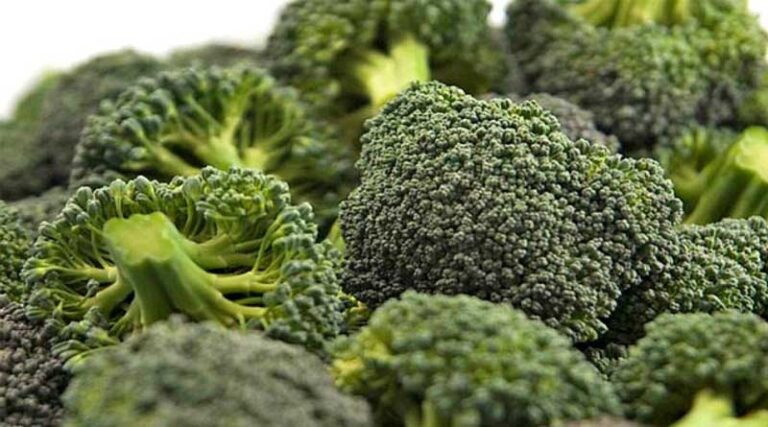
Prevention of systemic downy mildew infection is crucial in broccoli and cauliflower heads, to protect their integrity and value, as well tackling the potential internal blackening and rots of florets that seriously devalue processing and retail crops.
New ORONDIS Vip combines the outstanding protection of oxathiapiprolin, with the highly systemic metalxyl-M, for exceptional potency and rapid proactive defence. The easy-to-use co-form fungicide provides a robust resistance management mechanism.
Approved for brassica crops in autumn 2025, ORONDIS Vip is also approved for other vegetable crops, including leafy salads, alliums and herbs.
Disease strategy 2026
Cool moist conditions (10-15°C) are most favourable to downy mildew sporulation and infection. Once infected, warmer temperatures cause rapid development of the disease. The asexual cycle can complete in just a few days, leading to further spore infection.
Syngenta research and trials have consistently shown early action to get ahead of systemic downy mildew, before head formation, is key to crop quality in broccoli and cauliflower – with a focus on earlier season controls. All crops can be affected, with priority treatment for varieties with known susceptibility.
During periods of risk, apply ORONDIS® Vip at early head formation (above) – with heads at around 5mm – to give the optimum level of control, typically 4-5 weeks before harvest in broccoli. This treatment timing also gives growers ample flexibility for harvest scheduling and timing.
Where pressure is high, or for varieties with known issues, an earlier application of AMISTAR® or AMISTAR® + REVUS® has been shown to give a further improvement in disease control.
The addition of AMISTAR® will also bring the benefit of broad-spectrum disease control, including targeting ringspot (Mycosphaerella brassicicola).
An effective fungicide strategy to control systemic downy mildew is important in protecting the long-term value of varietal resistance.
Cultural controls
- Monitor crops for signs of early foliar infection indicating disease activity.
- Track weather conditions to predict high risk periods, particularly in spring and autumn.
- Field rotation could minimise risks of potential soil-borne infection.
- Take care to avoid initial downy mildew infection during propagation.
- Open fields with good air flow will reduce periods of leaf wetness.
- Strongly growing crops are less susceptible to effects of downy mildew. QUANTIS® and VIXERAN® biostimulants have been shown to reliably improve plant vigour and produce higher yields of larger heads.
- Select varieties with good resistance to downy mildew.
Leafy brassicas
Downy mildew spots seriously reduce the marketability of leafy brassica. For leafy brassica crops, where ORONDIS® Vip is not currently approved, the new label of SL567A® is an option. Applying AMISTAR® + SL567A® at the first signs of downy mildew has been shown to give very effective control of downy mildew.
Also Read: UPL Recognized as Top Innovator in AgriBusiness at Clarivate South Asia Innovation Awards 2026
Global Agriculture is an independent international media platform covering agri-business, policy, technology, and sustainability. For editorial collaborations, thought leadership, and strategic communications, write to pr@global-agriculture.com