CSIRO Unveils Dual-Purpose Wheat Bred to Survive Frost and Heat Shocks
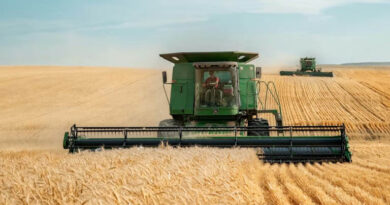
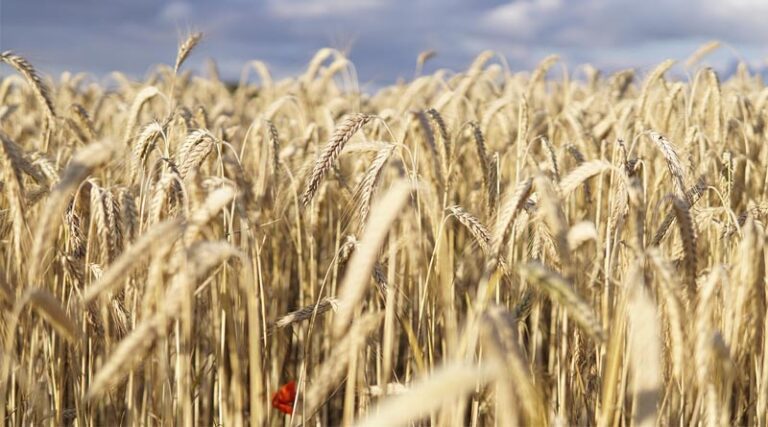
15 September 2026, Australia: Australia’s national science agency has released a new wheat variety a decade in the making that gives growers a fallback option when extreme weather damages their grain crop, allowing the same paddock to be grazed, cut for hay, or harvested for grain depending on how the season unfolds.
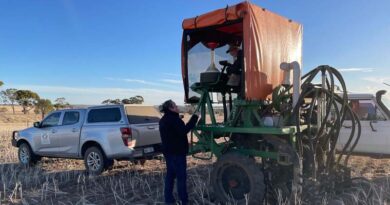
CSIRO announced the variety, named Hurdle, this week, with a public field walk showcasing the wheat scheduled for September 17, 2026, near Tincurrin in Western Australia’s wheatbelt. The breeding program was led by Dr. Greg Rebetzke, a chief research scientist at CSIRO, and traces its origin to a 2016 frost event at Lake Grace, Western Australia, that badly damaged grain crops and exposed how little flexibility growers had once a weather shock hit during flowering, the most vulnerable stage for wheat.
A decade of breeding for flexibility, not just yield
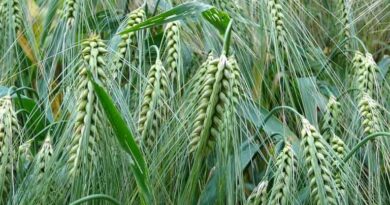
Hurdle is what breeders call a dual-purpose wheat, meaning it is bred specifically to perform well both as a grazing or hay crop and as a grain crop, rather than being optimized for grain yield alone. That dual capability is the variety’s central innovation. In a normal season, a farmer can let Hurdle develop through to grain harvest as they would with any conventional wheat. But if frost damages the crop during flowering, or an unseasonal heatwave cuts short the grain-fill period, the same paddock can instead be grazed by livestock or cut for hay, salvaging economic value from a crop that would otherwise be a near-total loss under a grain-only variety.
CSIRO describes Hurdle as high-yielding with larger grain size compared with earlier dual-purpose releases, building on two predecessor varieties, Bale and Dual, that CSIRO released in 2021. The decade-long breeding effort focused on stacking tolerance to both frost and heat stress at flowering onto that dual-purpose grazing and grain platform, a combination that had not previously been available together in a single commercial variety. The variety has been approved for the eastern and southern wheatbelt regions of Western Australia and is also listed on Australia’s national Wheat Variety Master List for South Australia and Victoria, meaning it is cleared for commercial use beyond its home state.
Rebetzke said the variety is designed to give growers a genuine choice rather than a fallback of last resort: if extreme weather affects the crop, farmers can graze it, cut it for hay, or still sell it for grain, depending on which option makes the most economic sense once the damage is assessed. That flexibility is the practical value proposition CSIRO is emphasizing over raw yield figures, since the whole point of a dual-purpose variety is to protect income in a bad season rather than simply maximize output in a good one.
Commercial seed will be distributed through LongReach Plant Breeders, the commercialization partner for CSIRO’s wheat breeding program, with release planned in the coming months following the field walk demonstration. No formal yield trial data comparing Hurdle with standard single-purpose wheat varieties or with its Bale and Dual predecessors had been published alongside the announcement, so growers and agronomists will be watching for independent trial results as the variety moves toward wider commercial planting.
Also Read: UPL Expands Nature-Based Agriculture Portfolio with Investment in Japan’s PhytoChrome
Global Agriculture is an independent international media platform covering agri-business, policy, technology, and sustainability. For editorial collaborations, thought leadership, and strategic communications, write to pr@global-agriculture.com