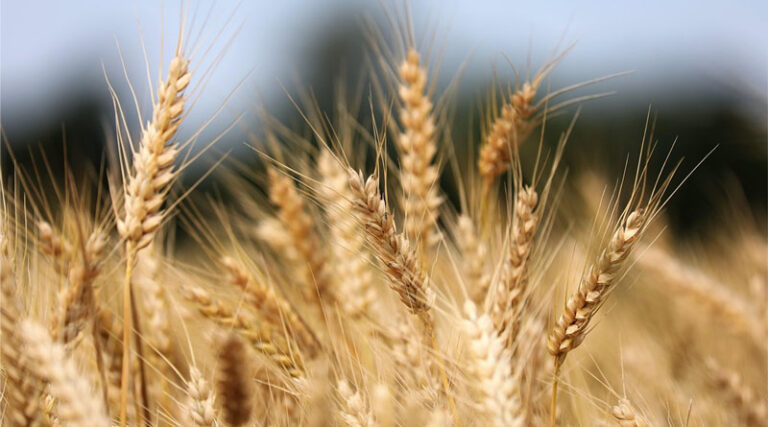
15 September 2026, Canberra, Australia: USDA has raised its forecast for Australia’s 2026/27 wheat production to 31.0 million metric tons, an 11 percent increase from last month’s estimate, though the figure remains 14 percent below last year and 10 percent under the five year average. Harvested area is unchanged from last month at 11.0 million hectares, while yield is now pegged at 2.82 metric tons per hectare, also up 11 percent on month and 4 percent above the five year average.
The upward revision follows an official crop report from the Australian Bureau of Agricultural and Resource Economics and Sciences released on September 1, which flagged better than expected conditions across most of the country’s southern cropping regions. The report prompted upward revisions for all winter crops, including wheat, from the levels forecast back in June. Wheat is a winter crop in Australia, typically planted from April with harvest beginning in October.
Early season conditions were favorable across the growing regions, with timely rainfall supporting good soil moisture and rapid crop emergence at planting. That rainfall continued through July and August, reinforcing the improved outlook in most wheat belts. Satellite based cropland greenness measurements for the major wheat producing states, Western Australia, South Australia, Victoria, New South Wales and Queensland, showed vegetation index readings tracking above the ten year mean for much of the growing season, consistent with the higher yield and production outlook.
Conditions were not uniform everywhere. Drier weather persisted through the season in Queensland and northern New South Wales, though the bulk of the national crop received adequate moisture. USDA and Foreign Agricultural Service analysts who conducted a crop travel assessment in Victoria in late July reported excellent crop and soil conditions in that state, a finding that supported the scale of this month’s upward revision. Continued rainfall through September, the agency noted, would further support crop maturation ahead of the October harvest start.
Australia is one of the world’s largest wheat exporters, and swings in its production carry weight for global trade flows, particularly into Southeast Asian and Middle Eastern milling markets that compete for the same supply pool as Indian and other origin wheat. A materially larger Australian crop, even one still below last year’s level, adds to the pool of exportable supply available to importing countries and can weigh on price benchmarks that Indian traders and processors reference when planning their own import and export positions. For India’s wheat and flour milling sector, a firmer Australian output number is a data point worth tracking heading into the year’s procurement and trade planning cycle, especially given Australia’s proximity to South and Southeast Asian buyers.
Global Agriculture is an independent international media platform covering agri-business, policy, technology, and sustainability. For editorial collaborations, thought leadership, and strategic communications, write to pr@global-agriculture.com