Himachal Monsoon Damage Tops Rs 1,550 Crore as Rains Threaten Already Battered Apple Harvest
10 September 2026, Shimla: Cumulative monsoon damage in the northern Indian hill state of Himachal Pradesh has crossed Rs 1,550.32 crore this season, according to a state Department of Revenue assessment reported September 9, with 64 roads still blocked and rain forecast to continue through September 15. The death toll for the season stands at 286, including 114 attributed to natural causes such as flash floods and landslides and 172 from road accidents on the state’s battered hill highways.
The Public Works Department has absorbed the largest share of the damage, at Rs 1,131.2 crore, followed by the Jal Shakti Vibhag, the state’s water and irrigation department, at Rs 368.68 crore, and the Power Department at Rs 21.49 crore. The state has also recorded 126 fully destroyed houses, a disrupted power transformer in Manali and two damaged drinking water schemes in Rampur. The State Emergency Operation Centre is continuing to monitor conditions as rain persists.
A harvest already cut sharply before the rain
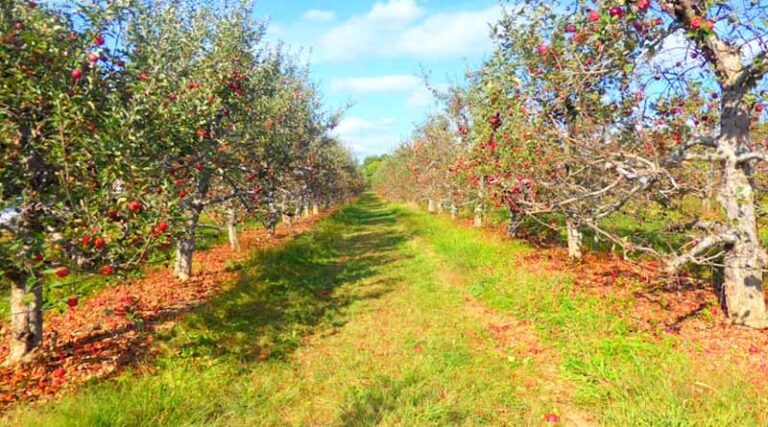
The infrastructure damage lands on top of a horticulture season that was already shaping up as one of the weakest in years. Himachal Pradesh’s Director of Horticulture, Satish Kumar, said in early July that the state’s apple crop, a sector worth roughly Rs 5,000 crore annually and supporting an estimated 2.5 lakh farming families, was on track to fall by around 40 percent this year, to about 4.36 lakh tonnes from 6.99 lakh tonnes in 2025. Kumar attributed the decline to a combination of insufficient winter snowfall, unseasonal spring rains, hailstorms and erratic temperature swings affecting orchards across eight districts, saying production had suffered because “neither snow nor rains came on time.” Growers have separately flagged rising costs for orchard inputs and machinery, gaps in irrigation infrastructure, and low uptake of crop insurance as compounding pressures on the sector.
Himachal Pradesh’s apple belt, concentrated in districts including Shimla, Kullu and Mandi, is now in the middle of its harvest window, which typically runs from midsummer into October depending on elevation. With dozens of roads still cut off by landslides and flooding, growers and trade groups in the state have repeatedly raised concerns in past seasons about fruit reaching markets and cold stores before quality deteriorates when transport routes are disrupted during peak harvest, a risk that recurs whenever heavy monsoon damage overlaps with the picking season.
A recurring vulnerability
Himachal Pradesh’s hill agriculture has faced a similar pattern in recent years: winter snow deficits and spring weather volatility damage orchards before the harvest even begins, and then monsoon-season landslides disrupt the logistics needed to move whatever crop survives. State authorities have periodically set up alternative procurement arrangements and advised growers on harvest timing during past disruptions, though the scale of road damage this season, with damage assessments still climbing, points to a longer recovery period for the state’s transport network than in some previous years.
Also Read: Corteva and Globachem to Form Joint Venture for New Crop Protection Solutions
Global Agriculture is an independent international media platform covering agri-business, policy, technology, and sustainability. For editorial collaborations, thought leadership, and strategic communications, write to pr@global-agriculture.com