India Opens Tariff Quotas for NZ Apples, Kiwifruit and Manuka Honey
26 October 2026, New Delhi: India’s free trade agreement with New Zealand took effect on October 20, bringing into force a set of tariff-rate quotas that will phase in cheaper access for New Zealand apples, kiwifruit, egg albumin and Manuka honey over the coming years, while keeping dairy, sugar and edible oils off the table entirely.
The changes were formalised through two government notifications issued just before the deal’s start date: Public Notice No. 33/2026-27 from the Directorate General of Foreign Trade, dated October 17, which amended the Handbook of Procedures to add the new quota categories, and a companion customs notification from the Ministry of Finance’s Department of Revenue, dated October 16, that set the actual duty rates. Under the agreement, New Zealand has removed tariffs on all qualifying Indian goods from the same October 20 start date.
How the quotas are structured
The tariff-rate quota system allows a fixed volume of each product to enter India each year at a reduced duty, with anything above that volume facing India’s standard, higher tariff.
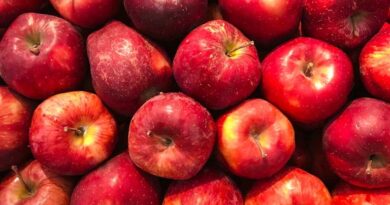
For apples, the in-quota duty is set at 25%, with a minimum import price requirement of at least $1.25 per kilogram on a cost-insurance-freight basis, and the quota itself starts at zero in the agreement’s first partial year before rising to 35,000 tonnes in year two and climbing in steps to 45,000 tonnes by year six, importable only in an April-to-August window.
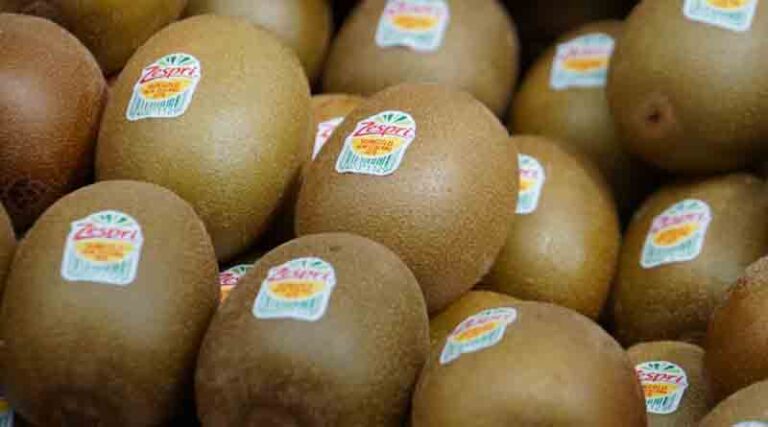
Kiwifruit gets more generous treatment, with a zero in-quota duty, a $1.80 per kilogram price floor, and volumes rising from 8,000 tonnes in year two to 15,000 tonnes by year six, importable between April and mid-October. Egg albumin quotas start at 200 tonnes and rise to 3,000 tonnes by year five, available year-round at an 11% duty, while Manuka honey, which must carry certification from New Zealand’s food safety authority, gets a modest 40-tonne opening quota rising to 200 tonnes from year two, within a price band of $20 to $30 per kilogram, also year-round.
Notably, the first quota year runs only from the agreement’s entry into force through December 31, 2026, a short window, after which full annual cycles begin each January. The structure of rising volumes over roughly six years is a common feature of agricultural market-opening deals, intended to give India’s domestic apple and kiwifruit growers time to adjust rather than face an immediate surge in competing imports.
Sensitive categories stayed protected
Dairy, sugar and edible oils, three of the most politically sensitive segments in Indian agriculture because of their direct bearing on the incomes of millions of smallholder dairy farmers, sugarcane growers and oilseed producers, remain excluded from New Zealand’s preferential access under the deal. That exclusion reflects a now-familiar pattern in India’s trade negotiations, where successive governments have resisted opening dairy and edible oil markets even while agreeing to calibrated access in smaller, less politically charged categories such as temperate fruit and specialty honey.
Alongside the tariff provisions, the two countries have also outlined agricultural cooperation plans, pairing the fruit and honey access with technical collaboration intended to support quality and productivity improvements in the relevant Indian growing regions, though the specific states involved had not been formally confirmed as of this week.
Also Read: India: FSSAI Proposes New Residue Limits for Acetamiprid and Imidacloprid in Tea
Global Agriculture is an independent international media platform covering agri-business, policy, technology, and sustainability. For editorial collaborations, thought leadership, and strategic communications, write to pr@global-agriculture.com