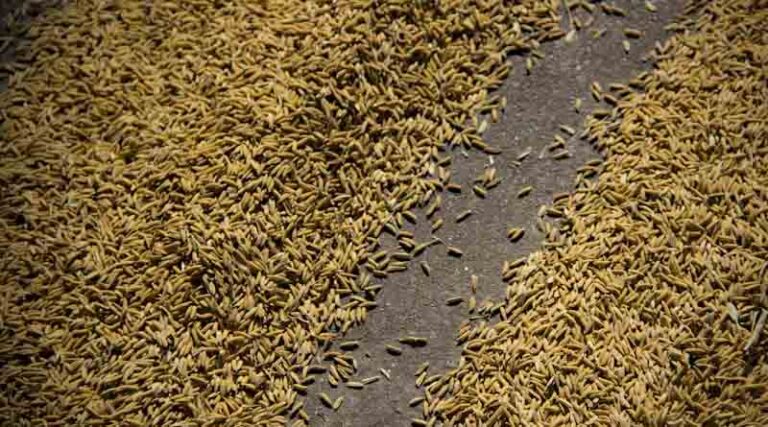
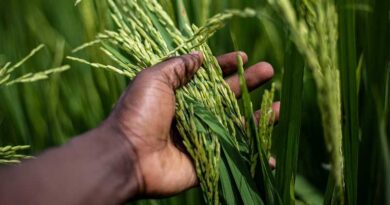
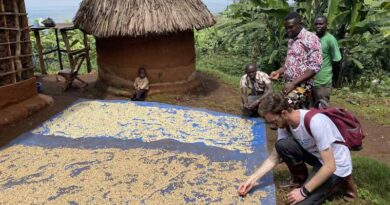
26 October 2026, Philippines: The Philippine government is weighing whether to seek a national State of Calamity declaration as forecasters warn that a developing Super El Niño could cut the country’s palay, or unhusked rice, production by as much as 1 million metric tons this cropping cycle, reigniting food security concerns in one of the world’s largest rice-importing nations.
Agriculture Secretary Francisco Tiu Laurel Jr. told a Senate hearing this week that “all indications point to a Super El Niño,” with the Department of Agriculture now projecting output could slip from an original target of 20.7 million metric tons to around 19.7 million metric tons. Senator Francis Pangilinan, who chairs the Senate Committee on Agriculture, pressed the department to seek President Ferdinand Marcos Jr.’s approval for a calamity declaration, telling the hearing that five regions are considered most at risk. DA Undersecretary for Rice Industry Development Christopher Morales also briefed senators on the department’s response planning.
Early damage already visible, and a drier outlook ahead
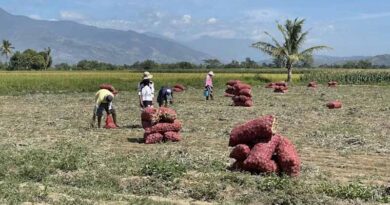
The warning builds on damage that has already been recorded. A Department of Agriculture assessment in late September found that El Niño-linked dry conditions had affected 223,214 farmers across 14 regions, with agricultural losses estimated at 6.87 billion pesos and roughly 249,028 hectares of farmland and crop production affected. Separately, the National Disaster Risk Reduction and Management Council reported that, as of October 5, 106 cities and municipalities, concentrated heavily in the Cagayan Valley and the Caraga and Bicol regions, had been placed under local states of calamity, affecting 388,375 people across 104,149 families. Local governments have so far disbursed about 39 million pesos in aid to roughly 24,600 of the nearly 36,000 families identified as needing assistance.
The state weather bureau, PAGASA, has forecast that the current El Niño could strengthen to “very strong” between September and December this year and persist into the first half of 2027, with the driest conditions expected between November and April, precisely the window covering the Philippines’ dry-season rice crop. The Department of Agriculture has also flagged rising production costs, including higher fertilizer and fuel prices, as a compounding pressure that is pushing some farmers to apply less fertilizer or skip planting altogether for lack of upfront capital, a dynamic officials say could deepen the yield hit beyond what weather alone would cause.
To respond, the department has outlined a 61.99-billion-peso action plan, though officials have identified a funding gap of about 371 million pesos for specific interventions, including cloud-seeding operations intended to induce rainfall over drought-affected farming areas. Senator Pangilinan has pointed to the 2014-2015 cocolisap insect infestation, which damaged roughly 2 million coconut trees in the Calabarzon region, as a precedent where a formal calamity declaration helped unlock around 500 million pesos in additional support, arguing a similar step could speed aid to rice and corn farmers now.
A global swing factor for rice markets
The Philippines is consistently among the world’s largest rice importers, so any confirmed shortfall in domestic palay production tends to show up quickly in the country’s import bookings and, at the margins, in regional rice prices, since the Philippines competes with other Asian buyers for supply from Vietnam, Thailand and India. A hit of even 700,000 to 1 million metric tons to palay output, on top of losses already logged this year of around 63,000 tonnes, would widen the gap between domestic supply and the roughly 863,000 tonnes of rice officials say is needed as a buffer stock through the El Niño period, raising the likelihood of larger import tenders in the months ahead.
Global Agriculture is an independent international media platform covering agri-business, policy, technology, and sustainability. For editorial collaborations, thought leadership, and strategic communications, write to pr@global-agriculture.com