BioLumic, IRRI Begin Trials of Light-Activated Rice Seed Technology
26 October 2026, Philippines: A New Zealand agri-tech company and the world’s leading rice research institute have started field trials in the Philippines of a seed technology that uses light, rather than chemicals or genetic modification, to switch beneficial traits on in rice plants, part of a push to make water-saving, lower-emission rice farming more commercially viable.
BioLumic and the International Rice Research Institute (IRRI), both announcing the collaboration on October 21, said the trials are testing the company’s xTraits platform specifically within direct-seeded rice (DSR) systems, an alternative to the traditional practice of transplanting rice seedlings into flooded paddies. The work is being supported by the Bill & Melinda Gates Foundation, though neither organisation disclosed a funding figure. BioLumic’s media contact, Sara Winters, and IRRI’s media contact, Ruby Shaira Panela, confirmed details of the collaboration, though neither organisation named the scientists leading the trial work in the announcement.
How light-based trait activation works
BioLumic’s technology applies specific, calibrated light treatments to rice seeds or young seedlings to switch existing gene expression on or off, essentially nudging the plant’s own genetic machinery to express traits that are already present in its DNA rather than introducing new genetic material or applying chemical growth regulators. The company describes this as treating light as a natural biological switch, a method it has also explored in other crops. Because no foreign genes or chemicals are involved, the approach sidesteps some of the regulatory classification issues that affect conventional genetic modification, although the trials announced this week are focused on proving yield and resource-use outcomes in the field rather than on the technology’s regulatory pathway.
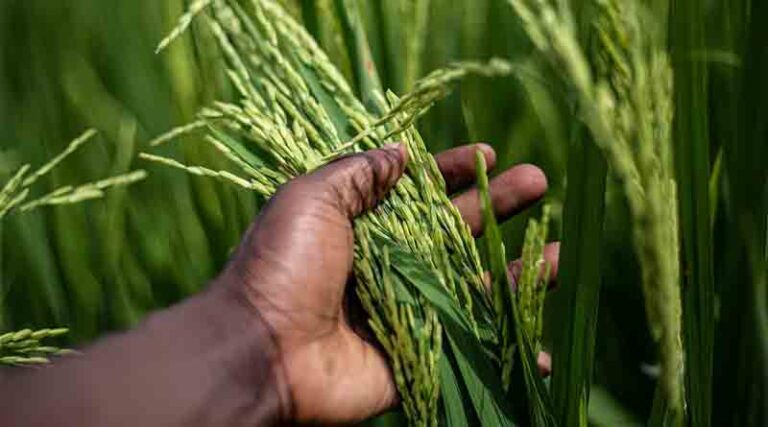
The stated goal, according to the companies, is to help rice grown using direct-seeded methods hold onto yields that have traditionally been associated with flooded, transplanted systems, while using less water and producing less methane. Flooded rice paddies are one of agriculture’s largest sources of methane, since standing water creates oxygen-poor conditions in the soil that favour methane-producing microbes; direct-seeded rice, grown without continuous flooding, significantly reduces that effect but has historically carried its own yield and weed-management trade-offs, which is the gap BioLumic and IRRI say they are trying to close.
Why the Philippines, and why now
IRRI, headquartered in the Philippines, has spent decades breeding rice varieties for the world’s major rice-growing regions, and the Philippines itself offers a relevant testing ground given the water stress the country is currently experiencing amid the El Niño conditions straining this season’s harvest. Beyond the Philippines, the companies said the collaboration is intended to advance the technology toward commercial use across major rice-growing regions more broadly, specifically citing water scarcity and labour constraints in South Asia as pressures accelerating farmer interest in direct-seeded methods. India, Pakistan and Bangladesh have all seen growing adoption of direct-seeded rice in recent years as groundwater depletion and rural labour shortages make continuously flooded, hand-transplanted paddies harder to sustain, particularly in Punjab and Haryana, where water-table declines have pushed both farmers and policymakers to look for lower-water alternatives.
Also Read: India: FSSAI Proposes New Residue Limits for Acetamiprid and Imidacloprid in Tea
Global Agriculture is an independent international media platform covering agri-business, policy, technology, and sustainability. For editorial collaborations, thought leadership, and strategic communications, write to pr@global-agriculture.com