IRRI Strengthens World’s Largest Collection Of Rice Genetic Resources With New Deposit At The Svalbard Global Seed Vault
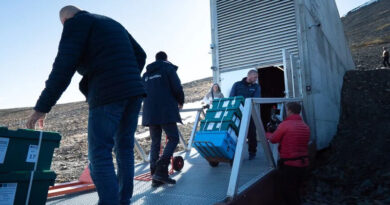
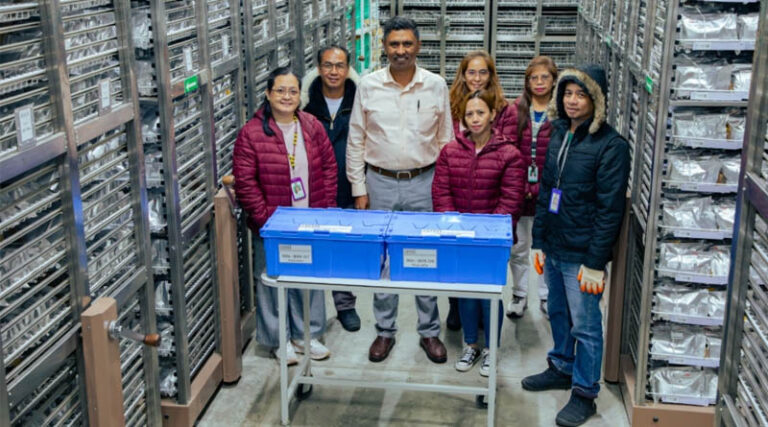
22 October 2026, Philippines: The International Rice Research Institute (IRRI)’s International Rice Genebank (IRG) has made its eighth deposit to the Svalbard Global Seed Vault, sending 1,890 rice seed accessions for long-term safety duplication and for ensuring the longevity of the world’s largest collection of rice genetic resources.
The deposit includes 410 rice seed accessions being deposited in Svalbard for the first time. Among these are 248 cultivated rice accessions from Madagascar, 69 wild rice accessions from Costa Rica, and 27 cultivated rice accessions from Nepal. The remaining accessions consist of valuable rice varieties and wild relatives from around the world conserved in the International Rice Genebank.
Since its first deposit in 2008, IRRI has strengthened the long-term security of its rice collection through regular seed deposits to Svalbard, with this eighth deposit bringing safety duplication coverage to 99.59% of fully curated Genebank accessions. The last time the Genebank sent seeds to Svalbard was in 2024.
The Svalbard Global Seed Vault serves as a secure duplication facility for the world’s crop collections, providing an additional layer of protection against potential losses caused by natural disasters, equipment failures, human error, or other unforeseen events.
Among the 1,890 accessions, 109 proved especially difficult to conserve because they are challenging to regenerate and often produce only limited amounts of seed. While most accessions in the genebank require approximately two to three years from accession assignment to safety duplication, many of these difficult-to-conserve accessions required more than 14 years of dedicated effort before they could be safely duplicated.
“Conserving and depositing seeds in the Svalbard Global Seed Vault is more than just safeguarding a backup. It helps ensure that the crop diversity of today and the past remains available to support future generations and global food security,” said Dr. Venuprasad Ramaiah, International Rice Genebank Head and Research Unit Leader – Fit-for-Future Genetic Resources.
As climate change, emerging pests and diseases, and evolving food security challenges place increasing pressure on agriculture, conserving rice genetic diversity remains essential. The genetic resources safeguarded in the International Rice Genebank and backed up in Svalbard provide breeders and researchers with the raw materials needed to develop more productive, resilient, and nutritious rice varieties for future generations.
Also Read: New US Manufacturer Viriterra Launches Perseus Herbicide Built on In-House Pyroxasulfone
Global Agriculture is an independent international media platform covering agri-business, policy, technology, and sustainability. For editorial collaborations, thought leadership, and strategic communications, write to pr@global-agriculture.com