China Trims Soybean Crop Forecast, Holds Import Outlook Steady
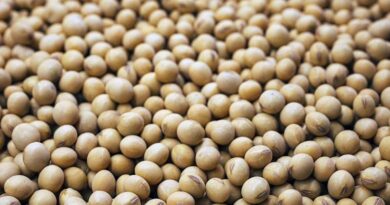
16 October 2026, Beijing: China’s Agriculture Outlook Committee (CAOC), the official body responsible for the country’s monthly China Agricultural Supply and Demand Estimates (CASDE) report, cut its forecast for China’s 2026/27 domestic soybean crop in its October 9 release, while leaving its soybean import projection unchanged, a combination that signals Beijing expects to lean more heavily on imported beans even as its own harvest shrinks.
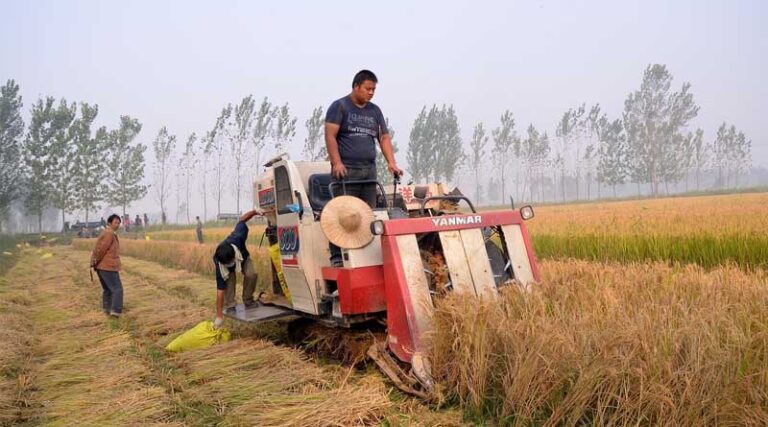
CAOC now projects 2026/27 soybean production at 20.36 million tonnes, down 590,000 tonnes from its September estimate of 20.95 million. The reduction reflects a smaller harvested area, now put at 10.11 million hectares against 10.19 million previously, and a lower yield estimate of 2,013 kilograms per hectare, down from 2,055 kilograms. The committee attributed the downgrade to planted area and yields coming in below earlier expectations, generally normal harvest weather, higher prices paid to farmers for this year’s crop compared with a year earlier, rising planting costs, bullish market sentiment and climbing international prices, and it said it expects elevated domestic soybean prices to persist for some time.
Despite the smaller crop, CAOC held its 2026/27 import forecast steady at 95.5 million tonnes, along with crush at 94 million tonnes and total consumption at 113.96 million tonnes. The net effect falls on inventories: the projected stock build for the year was trimmed to 1.75 million tonnes from 2.34 million, meaning the shortfall from the smaller harvest is being absorbed mostly through a smaller addition to stocks rather than a jump in purchases from overseas. Estimates for the current 2025/26 marketing year, including imports of around 108 million tonnes and crush of 101.5 million tonnes, were left essentially unchanged.
Corn and vegetable oil outlook holds firm
The same CASDE release trimmed China’s corn feed use estimates on both the current and coming marketing year, even as it left production and import figures untouched. For 2025/26, feed consumption of corn was cut by 9.4 million tonnes to 201.5 million, while industrial use, chiefly for starch production, was raised by 4 million tonnes to 85 million on the back of more feed grade substitutes being used in rations and a pickup in starch plant operating rates. That left total 2025/26 corn consumption at 307.4 million tonnes, down from 312.8 million previously. Looking ahead to 2026/27, feed use was cut to 200.5 million tonnes from 209.6 million, while industrial use was raised to 85.5 million tonnes from 81.2 million. Corn production for 2026/27 was held at 306 million tonnes and imports at 6 million tonnes, with the projected inventory build raised to 5.14 million tonnes from just 0.34 million.
CAOC cited favourable September weather across Northeast China, despite a late first frost, along with suitable conditions in North China and the Huang Huai plain, and forecast normal to warm temperatures through late October that should support a smooth harvest. It said supply pressure from the harvest is being offset by resilient feed demand, an improving starch sector, state reserve purchasing and higher international corn prices. Forecasts for vegetable oils were left unchanged from September, with 2026/27 production projected at 31.43 million tonnes, imports at 7.7 million tonnes and consumption at 37.89 million tonnes, while the committee flagged a waterlogging risk in parts of southwest and central south China from above normal rainfall.
Also Read: Bayer to Distribute INERA’s Biological Crop Nutrition Products in India
Global Agriculture is an independent international media platform covering agri-business, policy, technology, and sustainability. For editorial collaborations, thought leadership, and strategic communications, write to pr@global-agriculture.com