Laboratory tests detect genetically modified traits in 98.2% of samples, with 41.9% carrying four-gene stacks that include unapproved Vip3A
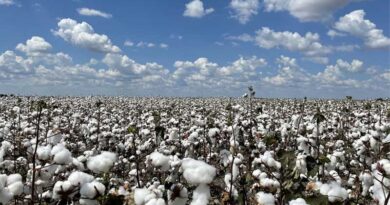
14 October 2026, New Delhi: Unauthorised herbicide-tolerant Bt (HTBt) cotton was cultivated across an estimated 65–72 lakh acres during the 2025–26 kharif season, accounting for 24–30% of India’s total cotton area and fuelling an informal seed market estimated at Rs 1,500 crore, according to a new field study.
The study, Unauthorised Cultivation of HTBt Cotton in India: Extent, Drivers & Implications, found that 98.2% of field samples tested carried at least one genetically modified trait. Further analysis revealed that 41.9% of the samples contained four-gene stacks, including Vip3A, an insect-resistance gene that has not been approved for cultivation in India.
Conducted by the South Asia Biotechnology Centre (SABC), with support from the Federation of Seed Industry of India (FSII) and the National Seed Association of India (NSAI), the study covered 16 districts across Maharashtra, Telangana, Andhra Pradesh and Rajasthan. It combined farmer surveys, seed supply-chain assessments and ELISA-based testing for genetic traits.
Illegal HTBt Cotton Covers Up to 30% of India’s Cotton Area, Fuelling Rs 1,500-Crore Black Market
Labour Shortages Drive Adoption of Unauthorised Seeds
The study identifies labour shortages and the rising cost of manual weed control as key drivers behind the growing adoption of unauthorised HTBt cotton. Glyphosate-based weed management costs an estimated Rs 750–850 per acre, compared with Rs 12,000–15,000 for manual weeding.
Glyphosate consumption also increased by 26% in one year, rising from 27,721 kilolitres in 2024–25 to 35,642 kilolitres in 2025–26. According to the study, a significant volume is now being sold through informal supply networks, including in 20-litre drums.
Meanwhile, sales of legally marketed Bollgard-II cotton seeds declined by 22.3% between 2022 and 2026, pointing to a shift in farmer purchasing patterns.
The findings suggest that farmers are increasingly turning to unauthorised seed channels to manage production costs and address operational challenges. The report highlights that growers are paying additional technology fees in informal markets to access traits they believe will help them manage weeds more economically.
“Unchecked use of unapproved genes and unmonitored glyphosate spraying could breed resistant pests and weeds that devastate cotton productivity,” said Dr C.D. Mayee, President of the Indian Society for Cotton Improvement and President of the South Asia Biotechnology Centre. He emphasised that effective technology stewardship is possible only when the technology is legally available.
Industry Calls for Regulatory Reforms
Ajai Rana, Chairman of FSII, said the growing scale of unauthorised cultivation reflects the gap between farmers’ requirements and the technologies available through formal channels.
“Farmers are not breaking the law out of choice. They are paying a black-market premium because the regulatory system has not given them the technology they need,” Rana said. “When a quarter of the crop runs on unapproved seed, the regulation has failed, not the farmer.”
Rana also linked declining cotton productivity to India’s changing position in the global cotton market, arguing that the country’s growing reliance on imports underscores the need to improve domestic production.
“To regain self-sufficiency and revive the cotton economy, regulatory approval of herbicide-tolerant cotton and the pink bollworm trait should be a national priority,” he said.
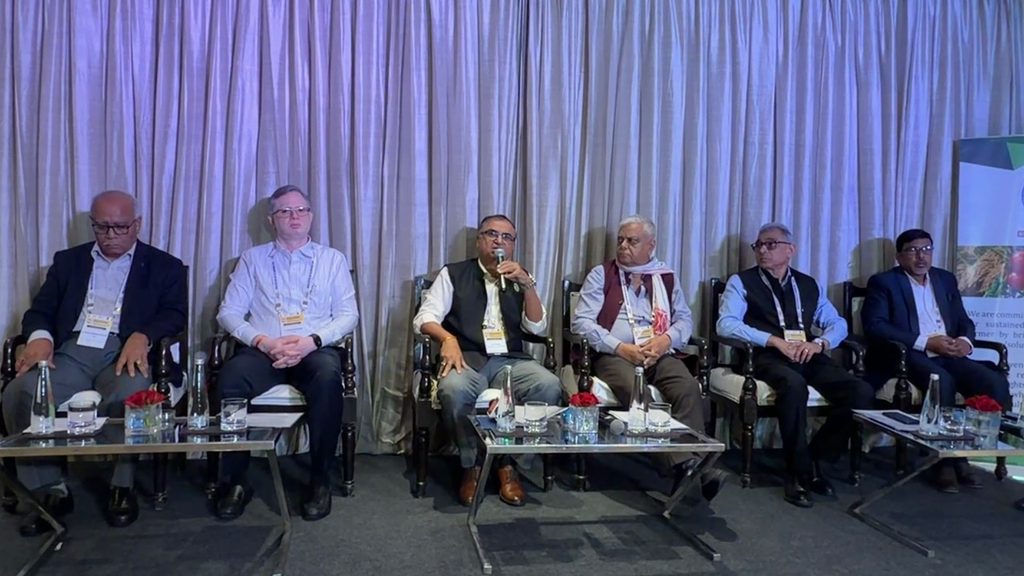
The study’s findings and recommendations were also discussed by Dr Y.G. Prasad, former Director of the Central Institute for Cotton Research (CICR); Dr Paresh Verma, Director General of FSII; Dr B.B. Patanaik of the National Seed Association of India; and Rajendran Ramasami, Managing Director of Rasi Seeds.
Maharashtra emerged as the principal centre of unauthorised HTBt cotton cultivation, with an adoption rate of 58%, rising to 76% in Yavatmal, according to the study.
Telangana recorded an adoption rate of 66%, with the figure reaching 82% in Mahabubabad. Andhra Pradesh reported 49% adoption, rising to 75% in Kurnool.
Rajasthan recorded negligible HTBt adoption, although the study noted increasing demand for unauthorised BG-III seeds as farmers seek solutions to pink bollworm infestations.
The geographical distribution indicates that the practice is particularly prevalent in cotton-growing regions where weed management costs, labour availability and pest pressures influence seed selection.
Biosafety, Resistance and Seed-Quality Concerns
The report warns that unauthorised cultivation creates risks beyond regulatory non-compliance. Seeds containing unapproved genetic traits may introduce biosafety uncertainties, while excessive or unmonitored glyphosate use could accelerate the development of herbicide-resistant weeds.
The study also highlights the absence of quality assurance and effective grievance mechanisms for farmers purchasing seeds through informal channels. Such seeds fall outside the formal regulatory framework, leaving growers with limited recourse if the seed fails to perform as expected.
The report calls for a time-bound policy response to address the growing informal market while improving access to technologies that meet farmers’ weed-management and pest-control requirements.
The study concludes that addressing unauthorised HTBt cotton cultivation will require coordinated action on regulatory approvals, weed-management practices, seed-market surveillance and technology stewardship. Timely policy decisions, it argues, will be critical to managing biosafety risks while supporting cotton productivity and the long-term sustainability of India’s cotton sector.
Global Agriculture is an independent international media platform covering agri-business, policy, technology, and sustainability. For editorial collaborations, thought leadership, and strategic communications, write to pr@global-agriculture.com