India Risks Losing Its Global Cotton Edge Without Next-Generation GM Technologies
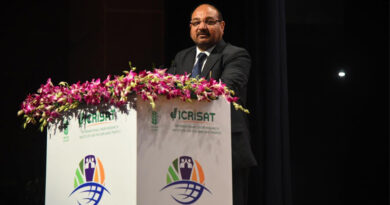
03 August 2026, New Delhi: India’s growing dependence on cotton imports highlights the need for technology-driven productivity gains and long-term policy reforms, according to veteran agricultural scientist Dr. R.S. Paroda, who has called for science-based regulation and the adoption of next-generation genetically modified (GM) technologies to restore the country’s competitiveness in the global cotton sector.
Responding to the latest estimates released by the Cotton Association of India (CAI), Dr. Paroda said India’s cotton sector is facing structural challenges that require a long-term strategy focused on innovation, biotechnology, and a predictable regulatory framework.
According to the CAI, cotton imports during the 2025-26 season are projected to reach 6 million bales (60 lakh bales), while exports are expected to decline to 1.5 million bales (15 lakh bales). Domestic consumption has been revised upward to 34.8 million bales (348 lakh bales), reflecting a widening gap between production and demand and increasing reliance on imported cotton.
“India’s cotton sector has been steadily losing its global leadership over the last few years. Rising import dependence in a crop where India was the world’s largest producer till 2014 and the second-largest exporter underscores the urgent need to embrace next-generation GM technologies through science-based regulatory reforms, and to establish a long-term policy framework that can revive both our productivity and global standing,” Dr. Paroda said.
He added that greater import dependence also increases exposure to global supply disruptions and market volatility at a time when India is pursuing self-reliance across strategic sectors.
Dr. Paroda argued that the sector’s challenges are structural rather than cyclical, attributing declining productivity and competitiveness to the limited adoption of newer agricultural technologies over the past two decades. He said Indian cotton farmers have not had access to the same advances in GM technology that have been adopted in many competing cotton-producing countries.
He noted that India’s cotton sector supports nearly seven million farmers while supplying raw material to one of the country’s largest employment-generating industries. In his view, restoring productivity through innovation is essential to improving farm incomes and strengthening the textile value chain.
Dr. Paroda also observed that while the recently announced cotton mission aims to improve the sector, it does not adequately address the role of advanced GM cotton technologies in enhancing productivity.
He further said India’s regulatory framework should evolve in line with international best practices to facilitate the timely adoption of scientifically validated agricultural innovations. Countries that have strengthened their position in global agriculture, he noted, have combined innovation with transparent, predictable, and science-based regulatory systems.
Referring to the introduction of Bt cotton in India, Dr. Paroda said the country has previously demonstrated that science-led policy decisions can significantly improve agricultural productivity and competitiveness. He called for a similar long-term approach to ensure Indian farmers can benefit from the next generation of agricultural technologies.
Also Read: Western Sydney International Airport Strengthens Australia’s Trade And Biosecurity Future
Global Agriculture is an independent international media platform covering agri-business, policy, technology, and sustainability. For editorial collaborations, thought leadership, and strategic communications, write to pr@global-agriculture.com