16 October 2026, Philippines: Aboitiz Foods is strengthening its supply chain preparedness through advance procurement planning, inventory management and investments in production capacity as potential El Niño conditions and global disruptions pose risks to agricultural production, raw material availability and food distribution.
The Philippines-based regional food and agribusiness company said it is monitoring commodity markets, shipping conditions and operational requirements to maintain continuity across its integrated operations. Weather agencies have indicated that El Niño conditions could persist into early 2027, adding uncertainty for food producers and agribusinesses.
According to the National Disaster Risk Reduction and Management Council of the Philippines, El Niño has affected nearly 451,000 people nationwide, with agricultural losses and damage reported at 6.5 million Philippine pesos.
“Food security is not just about having enough food available today. We also need to consider how reliably we can produce and distribute food, and how we can withstand disruption and continue serving communities over time,” said Teddy Deocares, First Vice President for Supply Chain at Aboitiz Foods.
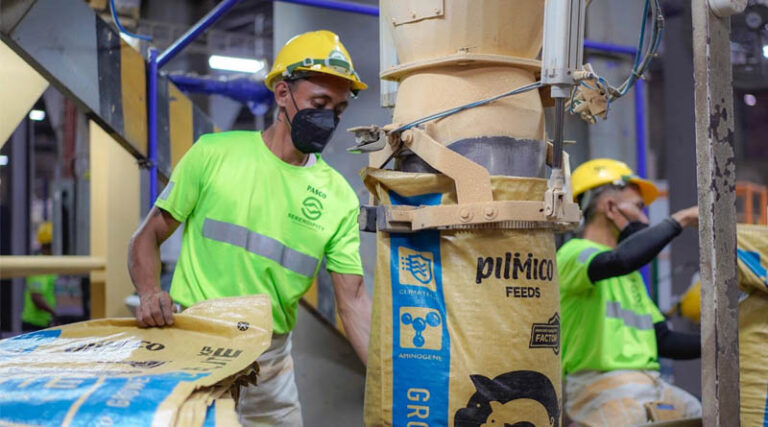
Aboitiz Foods operates across eight countries and is working with suppliers to make advance arrangements where possible. Its preparedness measures include monitoring commodity trends, planning purchases and freight arrangements, assessing the availability of key ingredients and reviewing inventory requirements for selected commodities.
The company is also managing operational factors such as water availability and feed quality to support production continuity and help customers maintain their own operations.
“We are taking a proactive approach by monitoring developments early, planning our purchases and freight arrangements, and coordinating across our teams, so we can make more informed decisions and reduce avoidable disruption,” Deocares said. He added that the company also considers how it can help customers respond to changing conditions.
Beyond climate-related risks, geopolitical tensions in the Middle East are contributing to pressure on fuel, freight and raw material costs, creating additional challenges for agricultural and food supply chains.
The company also pointed to the economic pressures facing hog producers in the Philippines. When farmgate prices fall below production costs, livestock producers can struggle to sustain operations and reinvest in their farms, potentially affecting the long-term availability of local supplies.
Deocares said resilient food systems require consideration of the entire value chain, including production costs, supply reliability and food affordability. He emphasised the importance of closer public-private collaboration to strengthen domestic production and improve supply chain flexibility.
Planned feedmill investment to expand capacity
As part of its efforts to improve production and distribution capabilities, Aboitiz Foods plans to establish a Pilmico feedmill at West Cebu Estate in Balamban, Cebu. The proposed facility is expected to increase production capacity and complement the company’s existing feedmill in Iligan City, which serves customers across the Visayas and Mindanao.
Across its markets, the company is also increasing safety stock levels for selected commodities, improving facilities to handle dry conditions and providing technical support to customers whose livestock productivity could be affected by changing weather patterns.
These measures are intended to improve operational flexibility and help maintain supplies of animal nutrition products amid changing climate and market conditions.
Food security requires action across the value chain
Aboitiz Foods said responsibility for food system resilience extends beyond individual businesses to suppliers, agricultural producers, governments and consumers.
At the household level, reducing food waste, using water and food responsibly, and avoiding unnecessary stockpiling can contribute to more efficient resource management, Deocares said.
The company maintains that preparedness, investment in local production and coordination across the food value chain are essential to sustaining food supplies during periods of disruption. Its strategy combines operational risk management with investments in manufacturing capabilities and partnerships across its Asian markets.
Global Agriculture is an independent international media platform covering agri-business, policy, technology, and sustainability. For editorial collaborations, thought leadership, and strategic communications, write to pr@global-agriculture.com