Wyoming Trial Turns Coal Byproduct Into Soil Booster for Carrots
22 October 2026, Wyoming, USA: A three-year field and greenhouse study at the University of Wyoming is testing whether a byproduct of coal processing can serve as a cheaper substitute for biochar, a widely used soil amendment, in specialty vegetable production. Early results from the first major field harvest, reported in mid-October, show carrots grown with the material coming in notably larger than typical, though the university has not yet released full yield or soil-health data.
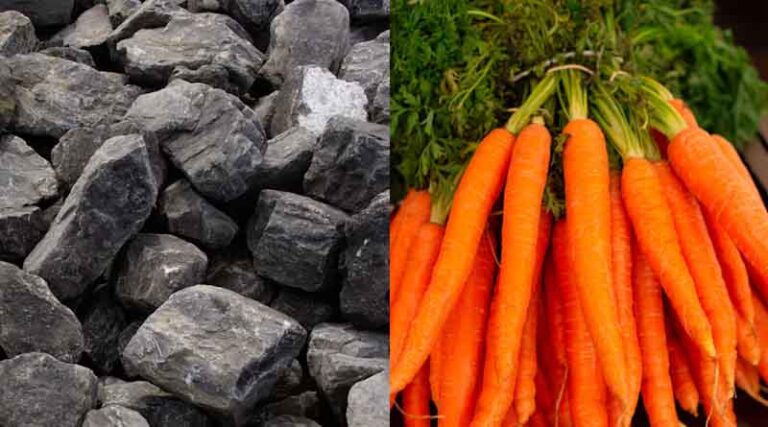
The material at the center of the study, known as coal char, is produced by pyrolysis, a process of heating coal in a low-oxygen environment so that it breaks down into a stable, carbon-rich solid. It is the same basic principle used to make charcoal or biochar from plant material, except the starting material here is coal rather than wood or crop waste. Researchers at UW’s Center for Carbon Capture and Conversion, part of the university’s School of Energy Resources, have spent several years testing whether coal char derived from Powder River Basin coal, the seam running through northeast Wyoming that is one of the largest coal-producing areas in the United States, can match or beat biochar’s soil benefits at a lower cost.
The carrot work is led by Resham Thapa, an associate research professional at the center, and is being carried out across both greenhouse trials and field plots at the university’s James C. Hageman Sustainable Agriculture Research and Extension Center in Lingle, in southeast Wyoming. The project is funded jointly by the Wyoming Department of Agriculture and the USDA’s Specialty Crop Block Grant Program, which supports research into fruits, vegetables and other high-value crops that fall outside the major commodity categories.
Building on earlier sugar beet trials
The carrot study builds directly on earlier work by the same team, published in 2025, that tested coal char against biochar, synthetic fertilizer and manure in a two-year sugar beet trial at UW’s Powell Research and Extension Center in northwest Wyoming. That study, carried out in semiarid sandy clay loam soil, found that the amendments did not necessarily raise yield by adding nutrients directly. Instead, their main benefit came from improving the soil’s physical properties, such as its porosity (the share of pore space available to hold air and water) and its water-holding capacity. Even so, certain coal char application rates were linked to higher sugar beet yields than the other treatments tested, and the researchers concluded that coal char showed promise as part of an integrated soil fertility program for the region’s dry, low-organic-matter soils.
The carrot trial extends that approach to a root vegetable grown for fresh and specialty markets rather than for sugar processing, and it is specifically testing coal char’s effect on root development. According to Thapa, carrots harvested so far from the amended plots have measured roughly six to eight inches long and one to two inches thick, a size the team considers noticeably larger than typical, while retaining normal flavor and moisture content. The university has been clear that these are early, qualitative observations from the first year of a three-year project, with detailed yield counts and soil measurements from both the greenhouse and field components still being analyzed.
A possible new market for coal regions
Beyond the specific question of soil fertility, the research is also framed around a second goal: finding a non-combustion, lower-emission use for coal mined in Wyoming, where coal production has been in long-term decline amid competition from natural gas and renewable power. If coal char proves to be an effective and cheaper alternative to commercial biochar, which is typically made from wood waste or other plant material and can be costly to produce and transport over distance, it could open a new agricultural market for coal byproducts while giving growers in dry, low-fertility soils an additional amendment option beyond conventional fertilizer and manure.
Also Read: New US Manufacturer Viriterra Launches Perseus Herbicide Built on In-House Pyroxasulfone
Global Agriculture is an independent international media platform covering agri-business, policy, technology, and sustainability. For editorial collaborations, thought leadership, and strategic communications, write to pr@global-agriculture.com