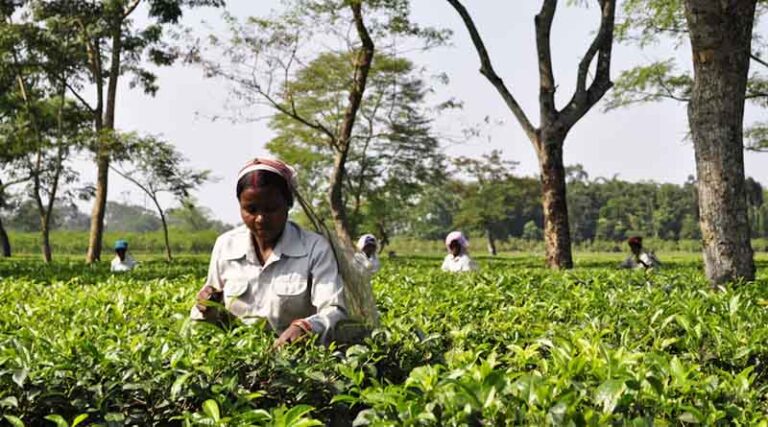
21 October 2026, New Delhi: India’s food safety regulator has proposed new maximum residue limits for two widely used insecticides in tea, a move that will affect how growers and processors manage pest control across the country’s tea estates.
The Food Safety and Standards Authority of India, operating under the Ministry of Health and Family Welfare, published a draft notification in the Gazette of India, titled the Food Safety and Standards (Contaminants, Toxins and Residues) Amendment Regulations, 2026.
The draft, filed under reference number F. No. SS-T0SP02(NOTI)/1/2025-Standard-FSSAI, proposes a maximum residue limit of 20 milligrams per kilogram for acetamiprid and 50 milligrams per kilogram for imidacloprid in tea. Both are neonicotinoid-class insecticides commonly used against tea mosquito bug, aphids, and jassids, among other pests.
FSSAI has invited public comments and objections for 60 days from the date copies of the gazette notification become available, which puts the comment window closing around mid-December 2026. Submissions are to be sent to the CEO of FSSAI at the authority’s regulation email address. The limits remain provisional until the draft is finalized.
According to the notification, the proposed acetamiprid limit of 20 mg/kg is lower than Japan’s limit of 30 mg/kg and the same as the limit used in the United States, which stands at 50 mg/kg. The imidacloprid limit of 50 mg/kg was set with reference to international Codex Alimentarius standards, according to the ministry’s statement, though the exact Codex figure was not specified in available reporting.
This is not FSSAI’s first pass at tea residue standards. The authority previously amended its contaminants and residues framework in 2024, a review that resulted in 13 pesticides being delisted from permitted use. The new draft is being presented as a continuation of that broader, ongoing review of pesticide residue standards in food, rather than a standalone action.
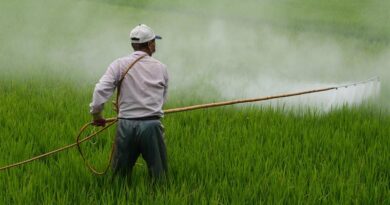
The ministry also used the announcement to make a point about India’s overall pesticide intensity, stating that national average pesticide use runs under 0.5 kilograms per hectare, compared with a global average of 2.38 kilograms per hectare, and lower than usage levels in Colombia, Brazil, and the United States. FSSAI framed the new limits as giving tea growers, processors, food businesses, testing laboratories, and enforcement authorities clearer regulatory benchmarks for compliance and monitoring, rather than as a tightening or loosening of pest control options.
Global Agriculture is an independent international media platform covering agri-business, policy, technology, and sustainability. For editorial collaborations, thought leadership, and strategic communications, write to pr@global-agriculture.com