Svalbard Global Seed Vault Crosses Major Milestone – 1.4 Million Seed Samples Secured
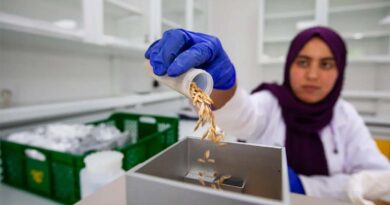
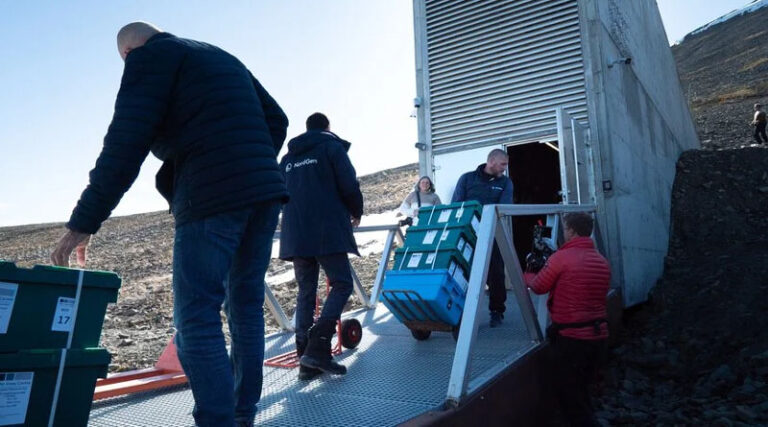
17 June 2026, Norway: The Svalbard Global Seed Vault opened its door for the second time this year, adding over 15,000 new seed samples. This marks a major milestone for the Seed Vault. Its collection has now surpassed 1.4 million seed samples, each stored as a safeguard for the future of food and humanity.
- Since the opening of the Seed Vault in 2008, this is the 70th deposit occasion and brings the total number of seed samples in the Seed Vault to 1,401,285.
- In total, 15,387 seed samples from 11 genebanks were deposited for long-term safeguarding in the world’s largest secure seed-storage facility.
- Burkina Faso and Niger became first-time depositors with support from the Benefit Sharing Fund of the International Treaty on Plant Genetic Resources for Food and Agriculture (Plant Treaty).
Located under permafrost deep inside a rocky mountain on the Norwegian island of Spitsbergen, the Svalbard Global Seed Vault is managed by the Norwegian Government, the Nordic Genetic Resource Center (NordGen) and the Crop Trust.
The largest shipments for deposit at June’s opening came from the Rural Development Administration (RDA) of South Korea and the John Innes Centre (JIC), based in Norwich, England. The RDA genebank deposited 6,000 seed samples of 50 species, including cereals, vegetables and legumes. The JIC deposited the entire UK national oat collection (~2,600 accessions), about 1,000 accessions of a global barley landrace collection, and a few hundred wheat varieties.
Genebanks of Burkina Faso’s National Commission for Plant Genetic Resources (CONAGREP) and Niger’s National Agronomic Research Institute of Niger (INRAN) joined the latest Svalbard opening with the help of the Plant Treaty’s Benefit Sharing Fund (BSF). The Fund receives and uses the financial resources generated from the International Plant Treaty’s Multilateral System of Access and Benefit Sharing and other sources. BSF supports high-impact projects in developing countries to help ensure the flow of seeds and plant material from farmers to genebanks and back.
Sudan’s Agricultural Plant Genetic Resources Conservation and Research Center (APGRC) managed to send seeds under extremely difficult circumstances, through the support of the Emergency Reserve for Genebanks, managed by the Crop Trust and the Plant Treaty. The national genebank, which has been rebuilding its collection due to disruptions from an ongoing civil war, deposited 982 seed samples of 19 crops. They included pearl millet, sorghum and other tropical, grain, legume and vegetables.
Global Conservation Effort
The June deposit featured almost twice as many samples as the February deposit and showcases a global assortment of crop diversity. Thousands of seed samples from genebanks across the Americas, Europe, Africa and Asia are now secured on the icy shelves of the Global Seed Vault.
From Africa, Burkina Faso’s CONAGREP genebank delivered samples of okra, maize, groundnut, hibiscus, pearl millet, rice, sesame, sorghum, bambara groundnut and cowpea. Meanwhile, Niger’s INRAN delivered 204 seed samples of four species – groundnut, pearl millet, sorghum and cowpea. Morocco also shipped 30 species of chickpeas, lentils and cereals.
From Asia, RDA made a large deposit that included oat, a crop not yet widely cultivated in South Korea. It is considered important for South Korea’s future because of its high nutritional value and potential industrial uses. The Taiwan Agricultural Research Institute also deposited 320 seed samples of cucumber, soybean, tomato, aubergine and winged bean.
From Europe, Poland’s National Centre for Plant Genetic Resources (IHAR) genebank shipped 1,000 samples of 15 species, including rye, oats, buckwheat, common millet, faba bean, maize, tomatoes, cucumber, melon and sorghum. The Netherlands Centre for Genetic Resources (CGN) genebank deposited 660 seed samples of 43 species, including 160 peppers, 64 beans as well as other vegetables, legumes and cereals. The John Innes Centre’s deposit included Chevallier Heritage Barley, a once-commercial UK variety last widely grown in the 1930s that has been rediscovered by brewers.
From the Americas, the US Seed Savers Exchange deposited 18 species of vegetables, legumes and cereals, while Brazil’s Embrapa national genebank added samples of cashew tree, groundnut, castor bean, lima bean and sesame. In Brazil, lima bean is an important regional crop that remains underutilized. It supports food and nutrition security, culinary traditions, agricultural diversification and resilient family farming.
This second deposit of 2026 is yet another example of effective global cooperation in the effort to conserve crop diversity. We welcome the two newcomers to the Seed Vault community and appreciate the trust of the world’s genebanks in continuing to secure valuable seed collections.
Also Read: FMC and Corteva Partner to Expand Rimisoxafen Herbicide Access Across the Americas
Global Agriculture is an independent international media platform covering agri-business, policy, technology, and sustainability. For editorial collaborations, thought leadership, and strategic communications, write to pr@global-agriculture.com