From Community Vision to Sustainable Enterprise: How ICRISAT, through ISSCA and ITEC, is Strengthening Agribusinesses
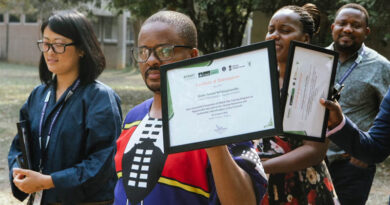
02 August 2026, New Delhi: When Pümui Products was launched in 2024, Ms Amanda Theodore-Langlais and Ms Donelle Ghita had a clear vision for their enterprise. Working with the Kalinago Child Support Foundation, they set out to create more than a business built around hot peppers.
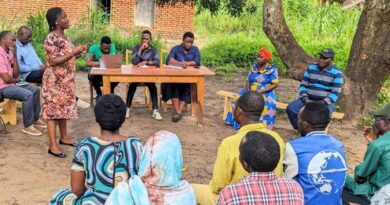
Their goal was to generate sustainable livelihood opportunities for indigenous farmers and women in the community while celebrating the island’s rich agricultural heritage through value-added products.
As the startup took shape, they recognized the need to strengthen their business and build an enterprise that could grow sustainably. Their search for practical knowledge brought them to ICRISAT’s international training program, ‘Fostering Innovation and Entrepreneurship in Agriculture for Sustainable Development.’
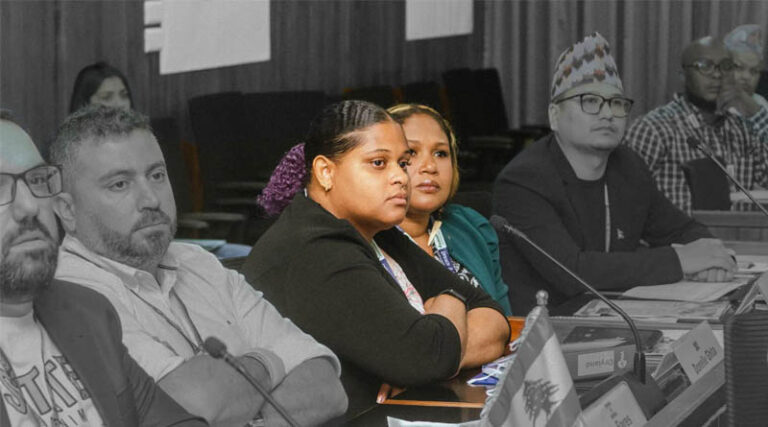
Amanda and Donelle were nominated through the High Commission of India accredited to Dominica under the Indian Technical and Economic Cooperation (ITEC) program of the Ministry of External Affairs, Government of India, before joining the two-week training organized by the ICRISAT Center of Excellence for South-South Cooperation in Agriculture (ISSCA).
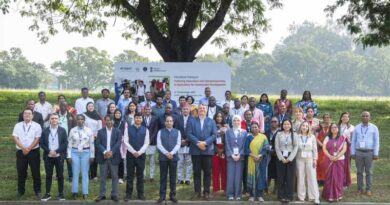
Joining 40 other professionals from 24 countries across Asia and Africa, they explored practical approaches to entrepreneurship, food processing, governance, and innovation that they could adapt to their enterprise back home.
Emphasizing entrepreneurship as a catalyst for agricultural transformation, ICRISAT Director General Dr Himanshu Pathak said it has the power to create jobs, add value to local produce, strengthen rural economies, and generate lasting opportunities far beyond the farm gate.
“Through ISSCA and the ITEC program, ICRISAT is empowering both existing and aspiring entrepreneurs across the Global South with the knowledge, technologies, skills, and partnerships needed to build resilient agribusinesses that create lasting economic and social impact in their communities,” said Dr Pathak.
The two-week program combined expert-led sessions with field visits and interactions with researchers, innovators, entrepreneurs, and fellow participants.
Participants explored ICRISAT’s facilities, including the Agribusiness Innovation and Nutrition (AIN) Platform, and visited AgHub, the National Academy of Agricultural Research Management (NAARM), and the Indian Institute of Millets Research (IIMR), where they toured food processing facilities and interacted with women-led Self-Help Group (SHG) enterprises.
Together, these experiences provided practical insights into innovation, value addition, entrepreneurship, and agribusiness development.
For Amanda and Donelle, some of the most valuable lessons came from observing successful enterprises up close.
“Watching the equipment operate gave us new ideas for our business,” Amanda said. “We realized that investing in our own processing and packaging capabilities would help us maintain quality while building a stronger and more sustainable enterprise.”
But the learning extended beyond technology.
At a time when the International Year of the Woman Farmer is shining a global spotlight on women’s contributions to agrifood systems, Amanda and Donelle’s journey demonstrates the value of investing in women through knowledge exchange, innovation, and South-South collaboration. As they return to Dominica to strengthen their enterprise, ICRISAT has already welcomed a new cohort of professionals, continuing its commitment to building resilient and inclusive agrifood systems across the Global South.
“The discussions on governance and policy were equally valuable because they helped us think beyond the product,” Donelle said. “They showed us the importance of building strong systems, planning for growth, and understanding the wider environment in which an enterprise operates.”
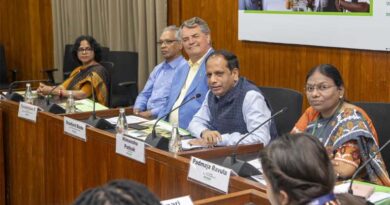
Dr Dinesh Chauhan, Head – Agribusiness Innovation Platform, ICRISAT, explained that the curriculum combined technical sessions with immersive field visits to provide participants with a holistic understanding of the agribusiness innovation ecosystem and practical solutions.
Dr Padmaja Ravula, Principal Scientist – Sociologist, Gender & Nutrition Research, ICRISAT, added that the program was not intended to offer one-size-fits-all solutions. Instead, participants were encouraged to critically evaluate technologies, business models, and policy approaches, adapting them to the social, cultural, and economic realities of their own countries.
Also Read: Bayer Launches New Insecticide Trance for Cotton in India
Global Agriculture is an independent international media platform covering agri-business, policy, technology, and sustainability. For editorial collaborations, thought leadership, and strategic communications, write to pr@global-agriculture.com