Strengthening Sustainable Agriculture Across Southeast Asia Through Science, Partnerships And Innovation
19 August 2026, Asia: From protecting crops against invasive pests to helping coffee farmers adapt to climate change, sustainable agriculture is increasingly important across Southeast Asia.
Recent research across ASEAN (Association of Southeast Asian Nations) member states show that climate change is already affecting agricultural production. This demonstrates the need for climate-resilient farming systems and science-based solutions.
Why sustainable agriculture matters in Southeast Asia
Agriculture is central to Southeast Asia’s economy, environment and food security. In 2022, agricultural products generated US$340.8 billion in trade, accounting for more than 70% of ASEANs agriculture, forestry and fishing trade.
But climate change, biodiversity loss and invasive species are creating new challenges. Increased trade is also allowing pests and diseases to move more easily across borders.
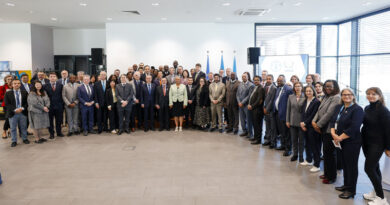
Partnerships are key to becoming more resilient to agricultural problems and protecting the region’s food systems. ASEAN recognises sustainable agriculture as a shared regional priority and has adopted the Regional Guidelines for Sustainable Agriculture.
Sing Yun Chin, Regional Director, CABI said, “Southeast Asia’s agricultural challenges are increasingly interconnected and require coordinated and cross-cutting action. Climate change, invasive pests and food security cannot be addressed by individual countries alone. By working closely with stakeholders, CABI is helping strengthen regional collaboration and deliver solutions that support resilient agriculture and sustainable livelihoods.”
Supporting food security through science
Helping farmers grow more and lose less is at the heart of CABI’s mission.
Across Southeast Asia, CABI works with partners to improve crop production, strengthen plant health systems and promote sustainable farming practices. Scientific knowledge is translated into information that farmers can use.
In Vietnam, CABI supports sustainable coffee production through Good Agricultural Practices (GAP), Integrated Pest Management (IPM) and Climate-Smart Agriculture (CSA). Activities include farmer training, demonstration plots, practical advisory support, improved soil management and sustainable pest management practices. These approaches help farmers improve productivity, reduce input costs and strengthen resilience to changing weather conditions.
CABI also supports PlantwisePlus across the region. The programme strengthens plant health systems through digital tools, advisory services and capacity building. In Thailand, PlantwisePlus supports 1,040 plant clinics that have reached 78,908 farmers. More than 33,000 people also use its digital tools and learning products. In Vietnam, the programme supports 12 plant clinics, reaching almost 53,000 farmers to date.
Protecting crops from pests, diseases and invasive species
Healthy crops are essential for food security, biodiversity and agricultural trade.
For more than two decades, CABI has supported the ASEAN Network on Taxonomy (ASEANET), helping ASEAN Member States strengthen plant health diagnostics, pest identification and regional collaboration. Through ASEANET, the ASEAN Regional Diagnostic Network and the Task Force on ASEAN Pest Database (TF-APD), countries can access specialist expertise, improve pest risk analysis and strengthen preparedness for emerging threats. These efforts support science-based decision making and safer agricultural trade across Southeast Asia.
Fall armyworm is one of the region’s most destructive invasive pests. CABI has supported a response to this invasive through regional research, IPM, biological control and technical support to the ASEAN Fall Armyworm Action Plan. These efforts are helping strengthen preparedness and promote sustainable pest management across Southeast Asia.
Helping farmers adapt to climate change
Climate change is changing how farmers grow crops regionally.
CABI supports climate resilience through CSA, IPM and nature-based solutions that improve soil health, conserve biodiversity and reduce reliance on chemical pesticides.
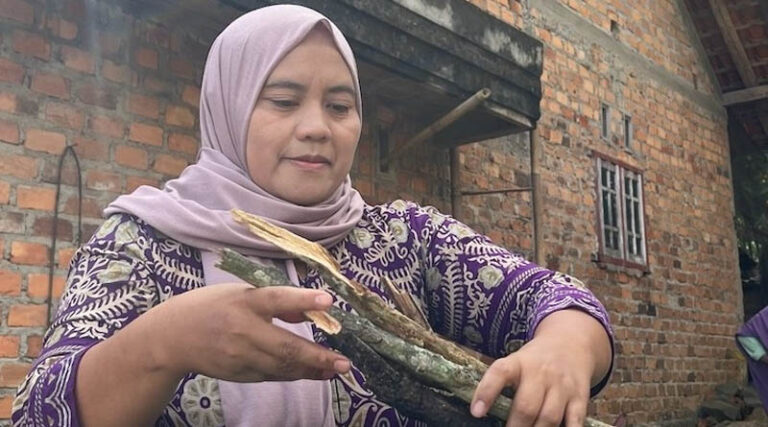
In Indonesia, CABI is helping coffee farming communities convert coffee husks and branches into biochar. This approach transforms agricultural waste into a valuable soil amendment that improves soil health, increases water retention and strengthens resilience to changing weather conditions.
In Vietnam’s Mekong Delta, the STAR-FARM project is identifying and demonstrating agroecological innovations across mango, coconut and pineapple value chains. Working closely with farmers and partners, the project is testing practical approaches that improve productivity, strengthen resilience and support more sustainable livelihoods.
Strengthening agricultural trade through science
Reliable plant health information supports safe agricultural trade.
Through ASEANET and TF-APD, CABI helps countries strengthen diagnostics, improve Pest Risk Analysis (PRA) and harmonize plant health information across ASEAN. These approaches support better quarantine decisions, protect market access and strengthen regional cooperation.
CABI has worked with partners in Cambodia, Laos and Vietnam to improve food safety and market access for pepper producers. By strengthening GAP, traceability and compliance with international SPS standards, the project improved market access, supported safer exports and strengthened regional value chains. In Cambodia, pepper export rejection rates fell from 7–10% to just 1.5–2%, helping producers access more international markets. In Vietnam, one farmer reduced pesticide use from 10 bottles per season to just two while cutting production costs by 30%.
By improving knowledge sharing and technical capacity, CABI is helping countries respond to emerging plant health risks while protecting agricultural trade.
Looking ahead: building resilient agriculture together
Across Southeast Asia, agriculture is facing growing pressures from climate change, pests, resource constraints and changing markets.
By combining science, innovation and partnerships, CABI and its partners are helping countries strengthen agricultural systems and support the farmers who depend on them.
The work demonstrates how locally relevant solutions, shared knowledge and regional collaboration can contribute to more productive, resilient and sustainable agriculture across Southeast Asia.
Also Read: UPL’s Advanta to Acquire Egyptian Seed Company Hytech Egypt for $110 Million
Global Agriculture is an independent international media platform covering agri-business, policy, technology, and sustainability. For editorial collaborations, thought leadership, and strategic communications, write to pr@global-agriculture.com