Gujarat Farmers Seek Access to New GM Crop Technologies
Farmers raise concerns over Bt cotton technology, pest resistance and regulatory delays at Ahmedabad workshop
19 November 2026, Ahmedabad: Farmers from Gujarat called for access to new genetically modified (GM) crop technologies and a science-based regulatory framework at a workshop organised by the National Farmers Empowerment Initiative (NFEI) in Ahmedabad.
Participants discussed the need for new crop traits in response to pest resistance, weather variability and rising cultivation costs. They also raised concerns over the limited availability of GM crop technologies in India.
Gujarat was among the first states to adopt Bt cotton following its approval in 2002. Ministry of Agriculture data show that India’s average cotton yield increased from 186 kg per hectare in 2001–02 to 510 kg in 2013–14. Bt cotton remains the only GM crop approved for commercial cultivation in India. Bollgard II, introduced in 2006, remains the latest commercially available Bt cotton technology.
Pink bollworm resistance to Bt cotton was reported in Gujarat in 2009. The pest has subsequently developed resistance to Bollgard II. Newer cotton technologies developed internationally include traits targeting bollworms and sucking pests, along with herbicide tolerance.
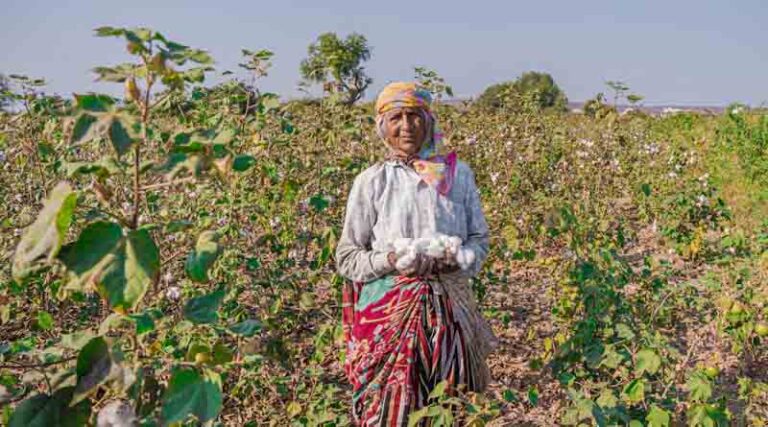
“Bt cotton made a difference to cotton cultivation in India. Today, farmers face new pests, unpredictable weather and rising costs. We need access to improved technologies and better crop traits,” said Prakash Punambhai Patel, a farmer from Simri village.
According to ISAAA’s report on biotech crops in 2024, GM crops were cultivated across 218.71 million hectares worldwide that year. Since 1996, 73 countries have adopted GM crops, including 44 countries through cultivation and 29 through imports. The World Health Organization states that GM foods assessed under international safety procedures are not likely to present risks to human health.
“The key question is not whether technology should be used, but how it can be assessed responsibly and deployed to meet the needs of Indian agriculture,” said Dr Vijay Kumar, former Research Scientist and Head of Cotton at Navsari Agricultural University.
Participants also discussed regulatory developments involving GM crops in India. Bt brinjal, which received approval in 2009, has remained under a moratorium since February 2010. GM mustard hybrid DMH-11 was recommended for environmental release in October 2022. Its regulatory status remains subject to the legal proceedings following the Supreme Court’s split verdict in July 2024.
Field trials of genetically engineered crops also require no-objection certificates from state governments. In 2023, Gujarat and Telangana declined permission for trials of genetically engineered cotton hybrids developed to address pink bollworm.
“Farmers will adopt technologies that improve productivity and protect crops if they receive the right information and guidance. Agricultural policies must keep pace with science,” said Mukesh Kantilal Patel, a farmer from Chanasma in Patan district.
Speakers also referred to genome editing and its potential applications in crop development. India released two genome-edited rice varieties in 2025, bringing the technology into the country’s crop improvement programme. Participants called for regulatory procedures to assess GM and genome-edited crops and determine their suitability for cultivation.
“Farmers deserve a choice of the best technologies available anywhere in the world. Field trials must continue across agro-climatic zones so that Indian science is ready to deliver proven, safe traits the moment policy allows,” said Bharat Char, Chief Science Officer, Mahyco and Head of Alliance for Agri Innovation.
Also Read: Mahindra Launches 50 HP Compact Harvester Harvest Yuva for Small Farms
Global Agriculture is an independent international media platform covering agri-business, policy, technology, and sustainability. For editorial collaborations, thought leadership, and strategic communications, write to pr@global-agriculture.com