FMC and Corteva Partner to Expand Rimisoxafen Herbicide Access Across the Americas
Strategic agreement aims to strengthen weed resistance management in corn and soybean production through broader deployment of rimisoxafen technology
17 June 2026, US: Global crop protection company FMC Corporation and Corteva Agriscience have entered into a co-exclusive strategic supply and licensing agreement that will expand access to FMC’s breakthrough herbicide active ingredient, rimisoxafen, across corn and soybean markets in North and South America.
The collaboration is expected to provide growers with a powerful new tool to combat herbicide-resistant weeds, particularly Amaranthus species, which are among the most challenging weed threats in soybean production worldwide and increasingly problematic in corn-growing systems.
Under the agreement, FMC will retain ownership of rimisoxafen and serve as the exclusive supplier of the active ingredient to Corteva. Both companies will independently develop and commercialize their own proprietary premix herbicide formulations for corn and soybean growers across the Americas.
Addressing a Growing Resistance Challenge
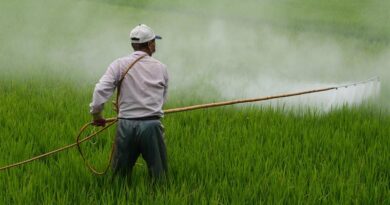
Weed resistance continues to be one of the most significant challenges facing global agriculture. Species such as Palmer amaranth and waterhemp have developed resistance to multiple herbicide classes, leading to substantial yield losses and increased production costs for farmers.
Rimisoxafen has attracted industry attention because of its dual mode of action, a characteristic that significantly reduces the likelihood of resistance development compared with traditional single-mode herbicides. The technology was recently recognized by the Herbicide Resistance Action Committee (HRAC) as the industry’s first dual-mode-of-action herbicide.
According to FMC, the technology represents one of the most important herbicide innovations introduced in recent decades.
“By working with Corteva, we are expanding the reach of this breakthrough technology to help growers effectively manage resistant weeds that threaten their productivity and profitability,” said Leonardo Bastos, Vice President and Chief Marketing Officer at FMC.
He added that FMC intends to continue developing rimisoxafen-based solutions for additional crops and regions beyond the Americas, reflecting the company’s long-term confidence in the molecule as a key component of its innovation pipeline.
Long-Term Commercial Collaboration
The agreement extends through the next decade and includes an initial product pre-purchase commitment of US$200 million from Corteva for future supply from FMC.
Both companies indicated that the collaboration is designed to accelerate market availability and farmer adoption once regulatory approvals are secured.
Cynthia Ericson, Vice President of Corteva’s Weed Control Segment, said the partnership strengthens Corteva’s ability to deliver advanced weed management solutions while complementing its existing crop protection portfolio.
She noted that the agreement aligns with Corteva’s strategy of pursuing collaborations that create value for farmers while supporting long-term growth opportunities beyond the company’s current crop protection pipeline.
Commercial Launch Expected Before 2030
Pending regulatory approvals in relevant markets, the first commercial sales of rimisoxafen-based products are expected by the end of the decade.
Industry observers view the partnership as a significant development in the ongoing battle against herbicide resistance, particularly as growers seek more durable and sustainable weed control solutions. With resistance pressures continuing to intensify across major row crops, the introduction of dual-mode herbicide technologies could play an important role in preserving crop productivity and farm profitability across the Americas.
Financial terms beyond the announced pre-purchase commitment were not disclosed.
Also Read: Corteva Plans Exit from Spain Manufacturing Site, Raises Restructuring Cost
Global Agriculture is an independent international media platform covering agri-business, policy, technology, and sustainability. For editorial collaborations, thought leadership, and strategic communications, write