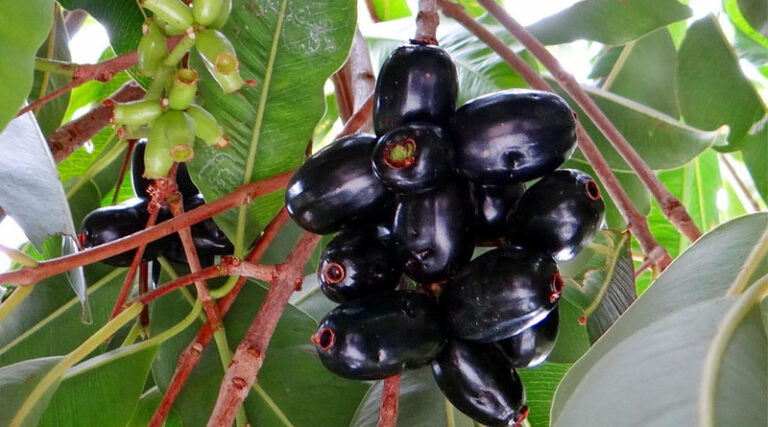
NLM study highlights the fruit’s rich antioxidant profile, high phenolic content and potential role in managing diabetes, obesity, hypertension and cardiovascular health By Global Agriculture News Desk
09 June 2026, New Delhi: A comprehensive scientific review published in the National Library of Medicine (NLM) titled “Astounding Health Benefits of Jamun (Syzygium cumini) toward Metabolic Syndrome” is drawing fresh attention to one of India’s most underutilized fruit crops. The review examined dozens of clinical and experimental studies and found that Jamun (Syzygium cumini), commonly known as Indian Blackberry or Java Plum, contains a wide range of bioactive compounds associated with improved metabolic health and disease prevention.
The findings are particularly relevant at a time when metabolic disorders are becoming a major global health challenge. According to the review, more than one billion people worldwide are estimated to be affected by metabolic syndrome—a cluster of conditions that includes obesity, diabetes, hypertension and abnormal cholesterol levels. These conditions significantly increase the risk of cardiovascular disease, which accounted for approximately 18.6 million deaths globally in 2019.
Researchers suggest that Jamun could emerge as an important functional food and nutraceutical ingredient due to its nutritional value, antioxidant properties and potential health benefits. For India, which is home to the species and a major producer, growing scientific recognition may also create new opportunities for farmers, processors and exporters.
Jamun is a tropical evergreen tree belonging to the Myrtaceae family and is widely cultivated in India, Pakistan, Bangladesh and Sri Lanka. The review estimates global Jamun production at approximately 13.5 million tonnes, with India contributing around 15.4% of total production.
The tree typically grows between 8 and 15 metres in height and produces dark purple fruits rich in pigments known as anthocyanins. A mature fruit measures about 31 mm in length and weighs approximately 18.3 grams, while the seed weighs around 1.6 grams.
For centuries, Jamun has been used in Ayurveda, Unani and traditional medicine systems for managing digestive disorders, diabetes, inflammation and various other health conditions. Modern research is now helping validate some of these traditional uses.
Jamun Nutrition Facts
Scientific analyses cited in the NLM review reveal that Jamun contains carbohydrates, dietary fibre, proteins, vitamins and minerals along with significant concentrations of phytochemicals.
Nutritional Composition of Jamun
Nutrient
Composition
Carbohydrates
22.8–31.6 g
Protein
3.84–7.17 g
Crude Fat
1.02–4.50%
Crude Fibre
2.64–16.9%
Vitamin A
3 IU/100 g
Vitamin B3
0.09 mg/100 g
Vitamin C
0.21 mg/100 g
Iron
0.14 mg
Calcium
0.65 mg
Magnesium
0.01 mg
Phosphorus
0.072 mg
Potassium
16.07 mg
Zinc
0.009 mg/100 g
Source: NLM Review – Astounding Health Benefits of Jamun (Syzygium cumini) toward Metabolic Syndrome
What Makes Jamun a Potential Superfood?
The growing interest in Jamun is driven largely by its remarkable concentration of antioxidants and bioactive compounds.
Researchers identified numerous phytochemicals in the fruit, seeds and leaves, including:
Anthocyanins
Polyphenols
Flavonoids
Ellagic acid
Gallic acid
Kaempferol
Myricetin
Isoquercetin
Tannins
Alkaloids
Terpenoids
These compounds are associated with antioxidant, anti-inflammatory, antidiabetic, cardioprotective and antimicrobial activities.
Exceptional Antioxidant Content
Among the most striking findings reported in the review were the levels of phenolic compounds and flavonoids found in Jamun fruit and seeds.
Key Bioactive Components in Jamun
Parameter
Fruit Extract
Seed Extract
Total Phenolic Content (TPC)
1,462.37 mg GAE/100 g
1,863.25 mg GAE/100 g
Total Flavonoid Content (TFC)
424.79 mg/100 g
953.91 mg/100 g
Anthocyanin Content
5.32 mg CYE/g
Not detected
The researchers concluded that Jamun fruit and seeds represent a significant natural source of antioxidants that may help combat oxidative stress, a major contributor to diabetes, cardiovascular disease and ageing-related disorders.
What the NLM Study Found About Diabetes
One of the most extensively researched areas involving Jamun is blood sugar management. Several animal and human studies reviewed by researchers showed encouraging results. In one study involving diabetic rats, Jamun fruit extract reduced blood glucose levels by 12.29%, while seed extract reduced blood glucose by 14.36%.
Another study reported reductions in fasting blood glucose ranging from 46.67% to 52.67%, producing results comparable to the antidiabetic drug glibenclamide.
Researchers attribute these effects partly to a glycoside known as Jambolin, which helps slow the conversion of starch into sugar. Jamun seeds also contain flavonoids, tannins and polyphenols associated with improved glucose metabolism.
Human Studies
The review also cites a randomized controlled study involving 99 patients with Type 2 diabetes, where participants receiving 10 grams of Jamun seed powder twice daily for 90 days showed improvements in glycaemic control and dyslipidaemia compared with controls.
In another study involving prediabetic individuals, supplementation with 4.5 grams of Jamun seed powder daily for 84 days resulted in improvements in lipid profiles and glucose regulation.
Benefits for Heart Health and Cholesterol Management
The NLM review also examined studies assessing Jamun’s role in lipid metabolism.
Reported Improvements in Lipid Profile
Parameter
Improvement Reported
Total Cholesterol
Reduced by up to 25%
Triglycerides
Reduced by up to 28%
LDL Cholesterol
Reduced by up to 35%
HDL Cholesterol
Increased by up to 22%
In another study using freeze-dried Jamun fruit supplementation, triglyceride levels declined by up to 50%, while HDL cholesterol increased by 45%. These findings have generated interest among nutraceutical companies seeking natural ingredients that support cardiovascular health.
Potential Role in Obesity Management
Obesity affects more than 650 million adults globally, according to figures cited in the review. Several studies involving Jamun extracts demonstrated potential anti-obesity effects.
Research involving mice fed high-fat diets found that Jamun fruit extract helped reduce obesity, improve insulin resistance and restore beneficial gut microbiota populations. Researchers observed improvements in the balance between Firmicutes and Bacteroidetes, bacterial groups linked to metabolic health.
Anti-Inflammatory and Antioxidant Properties
The review highlights multiple studies showing strong antioxidant activity in Jamun leaves, fruits and seeds.
One investigation found Jamun leaf extract contained:
Total phenolic content: 369.75 mg GAE/g
Total flavonoid content: 75.8 mg RE/g
The extract also demonstrated significant anti-inflammatory activity and antioxidant potential comparable to vitamin C in laboratory evaluations.
Opportunities for Agriculture and Food Processing
Despite its nutritional and medicinal potential, researchers describe Jamun as an underutilized crop. The fruit remains highly perishable, limiting commercial expansion in fresh markets. However, growing interest in functional foods is creating opportunities for value-added products.
Jamun is increasingly being explored for use in:
Nutraceutical supplements
Functional beverages
Seed powders
Bakery products
Noodles and health foods
Natural antioxidants
Pharmaceutical formulations
For India’s horticulture sector, greater investment in processing, storage and product development could help unlock additional value from a fruit that is already well adapted to local growing conditions.
Why Jamun Could Be the Superfood of 2026
Unlike many imported superfoods, Jamun combines strong cultural acceptance with growing scientific validation. The fruit contains substantial levels of antioxidants, phenolic compounds, flavonoids and anthocyanins, while studies continue to investigate its potential role in managing diabetes, obesity, hypertension and cardiovascular risk factors.
The NLM review concludes that the peel, pulp and seeds of Jamun are valuable sources of bioactive compounds and that wider agricultural development and consumer awareness could help increase its utilization. As demand rises globally for natural health ingredients and functional foods, India’s indigenous blackberry may be well positioned to move from a seasonal fruit to a globally recognised superfood.
Global Agriculture is an independent international media platform covering agri-business, policy, technology, and sustainability. For editorial collaborations, thought leadership, and strategic communications, write to pr@global-agriculture.com