23 July 2026, Africa: Conflict-induced displacement severely disrupts people’s access to food, water, energy, and sanitation. While humanitarian assistance addresses urgent needs, long-term resilience requires sustainable systems. Regenerative and circular bioeconomy (CBE) approaches enable the recovery and reuse of water, nutrients, and energy. These approaches strengthen food security, restore degraded landscapes, create livelihoods, and foster social cohesion in protracted refugee and internally displaced persons (IDP) settings.
Displacement, resource pressure and rising tension
Conflicts are driving unprecedented displacement, with 117.3 million forcibly displaced people worldwide by mid-2025, nearly 90 per cent of whom are hosted in low- and middle-income countries, according to UNHCR. In East Africa, one of the world’s largest refugee-hosting regions, growing refugee populations are increasing pressure on already scarce natural resources. Dependence on food rations and limited access to cooking energy often contributes to environmental degradation, food insecurity, and tensions between refugees and host communities.
Policy shifts and the case for CBE pathway
Protracted displacement has long constrained refugee self-reliance due to restrictions on movement, work permits, and enterprise development. This situation is gradually changing. Kenya’s Refugee Act (2021) grants freedom of movement, the right to work, and access to financial services, envisioning the transition of camps into integrated urban settlements. Ethiopia’s Refugees Proclamation (Directive No. 1019/2024) similarly enables formal employment, business creation, and participation in development projects.
To translate these policy shifts into tangible impact, stronger links between humanitarian response and development are essential. Market-based and conflict-sensitive CBE approaches, such as nutritious food production, alternative biomass energy, waste recovery, and green entrepreneurship, enable the recovery and reuse of water, nutrients, and energy. These approaches create livelihood opportunities that reduce pressure on ecosystems, lower conflict risks, and benefit both refugees and host communities.
Evidence, partnerships and scaling impact
With support from the GIZ Fund for International Agricultural Research (FIA) on behalf of the Federal Ministry for Economic Cooperation and Development (BMZ), and applying a gender-inclusive approach, the International Water Management Institute (IWMI) and World Agroforestry (ICRAF), together with partners, implemented the Resource Recovery and Reuse (RRR) in Refugee Settlements in Africa project across six refugee camps and host communities in Ethiopia, Kenya, and Uganda.
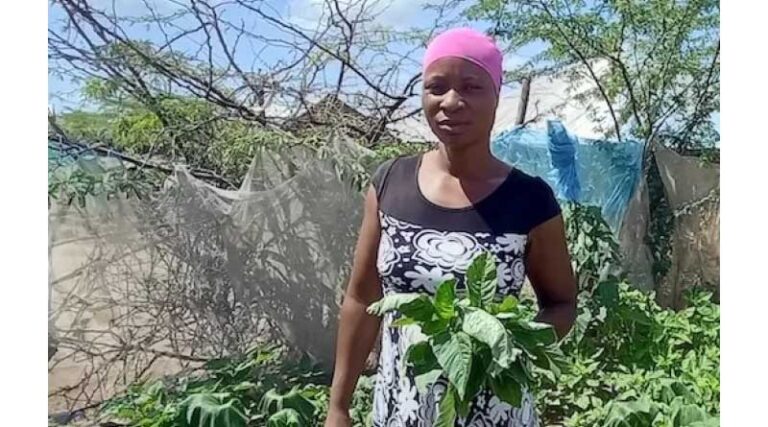
The initiative built the capacity of 3,600 households in CBE practices, including the safe reuse of greywater for home gardening, agroforestry, and clean cooking energy, with some households reporting additional income generation. Outreach activities such as peer-to-peer knowledge sharing accelerated the uptake of CBE practices and indirectly reached more than 200,000 people.
Lessons from the project informed several UN strategies, including UN-Habitat’s 2023 Urban Regeneration Strategy, FAO’s 2022 policy brief, and UNHCR’s 2023–2028 Regional Climate Action Plan.
Building on this foundation, CGIAR’s Food Frontiers and Security Science (FFS) Program is co-designing, piloting, and scaling context-specific and conflict-sensitive CBE solutions. These include converting organic waste into bio-inputs or energy, promoting resource-efficient agriculture, and fostering green business models that support sustainable food and energy systems. Such approaches help restore landscapes, strengthen livelihoods, promote social cohesion, and expand inclusive economic opportunities.
The project also generated practical outputs, including technical briefs, operational tools, scaling pathways, and a gender integration strategy. These resources provide guidance for designing and implementing CBE practices in refugee-hosting contexts and can inform the development of future GIZ and partner initiatives, strengthening evidence-based and conflict-sensitive programming.
Global Agriculture is an independent international media platform covering agri-business, policy, technology, and sustainability. For editorial collaborations, thought leadership, and strategic communications, write to pr@global-agriculture.com