Magic Mushroom Psilocybe cubensis Origin Traced to Africa, Finds a Study
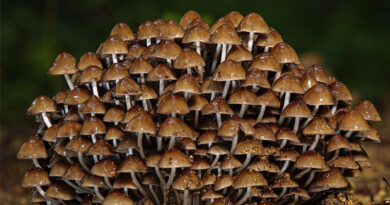
17 March 2026, London: A newly identified mushroom species from southern Africa has provided evidence on the evolutionary origin of one of the world’s most widely cultivated psychedelic fungi, commonly referred to as magic mushrooms. The findings are based on a study published in Proceedings of the Royal Society B.
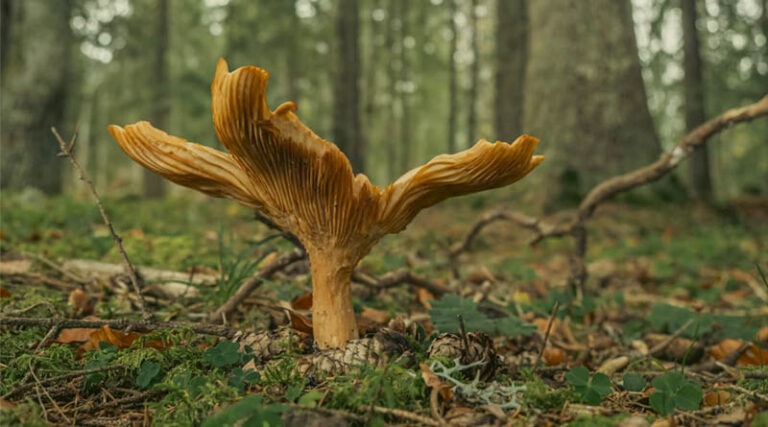
Researchers from southern Africa and the United States have described a new species, Psilocybe ochraceocentrata, identified in grasslands across South Africa and Zimbabwe. The species is characterised by an ochre-yellow centre on the mushroom cap and has been found to share a common ancestor with Psilocybe cubensis approximately 1.5 million years ago.
The study challenges the prevailing assumption that Psilocybe cubensis, widely known as a magic mushroom species, spread to the Americas during the 16th century through the movement of cattle from Africa and Europe. Psilocybe cubensis was first formally described in Cuba in 1906, and its global distribution has often been linked to livestock movement.
According to the research team, genetic analysis indicates that Psilocybe ochraceocentrata and Psilocybe cubensisdiverged long before historical transcontinental exchanges. The work included DNA sequencing from contemporary collections in southern Africa as well as historical specimens. Researchers applied multi-locus phylogenetic analysis, molecular clock dating, and ecological niche modelling to establish evolutionary timelines.
The study involved collaboration between scientists from Stellenbosch University, Clark University, the University of Utah, Duke University, and the Natural History Museum of Zimbabwe. Initial specimens of Psilocybe ochraceocentratawere collected in Zimbabwe in 2013.
Despite morphological similarities between the two species, researchers report clear differences in genetic structure, ecological adaptation, and chemical composition. The newly described species has reportedly been cultivated under informal strain names such as “Natal super strength” and “Transkei,” without prior classification as a separate species.
The research also points to broader ecological factors influencing divergence. Around 1.5 million years ago, grassland ecosystems expanded across regions, accompanied by the movement of grazing herbivores. These changes may have created ecological conditions supporting speciation within dung-associated fungi such as Psilocybe.
The authors note that Africa remains under-sampled in terms of fungal biodiversity, and the discovery adds to the available genetic resources for further research. Ongoing work will focus on analysing bioactive compounds produced by Psilocybe species and their potential applications in studies related to neurological and psychological conditions.
Also Read: India Could Face Sulphur Shortage if Gulf Supply Disruptions Continue, Fertiliser Sector on Alert
Global Agriculture is an independent international media platform covering agri-business, policy, technology, and sustainability. For editorial collaborations, thought leadership, and strategic communications, write to pr@global-agriculture.com