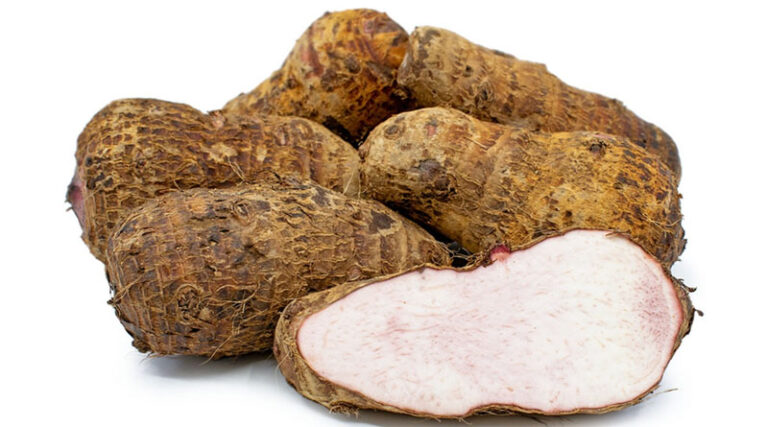
29 May 2026, London: As consumers increasingly seek alternatives to conventional wheat and rice flour, malanga flour is emerging as a promising ingredient in the global food industry. Derived from the tubers of the malanga plant (Xanthosoma sagittifolium), this naturally gluten-free flour has long been a staple food in parts of Latin America, the Caribbean, Africa and Southeast Asia. Today, growing interest in functional foods, gluten-free diets and crop diversification is bringing malanga flour into the spotlight among researchers, nutritionists and food manufacturers.
The search for alternative flours has intensified in recent years as consumers look for products that cater to dietary restrictions, offer nutritional benefits and support sustainable food systems. While rice flour, oat flour and millet flour dominate the gluten-free market, malanga flour is increasingly being recognized for its unique starch properties, digestibility and versatility in food applications.
What Is Malanga Flour and Where Does It Come From?
Malanga is a tropical root crop belonging to the Araceae family and is closely related to taro. Known by various names such as cocoyam, yautia and tannia, the crop is cultivated primarily for its underground corms and cormels, which are rich in carbohydrates and serve as an important food source in tropical regions.
According to the Food and Agriculture Organization (FAO), cocoyam and related root crops contribute significantly to food security in many developing countries. Despite their importance in traditional farming systems, these crops remain underutilized in global food markets when compared with cereals such as wheat, rice and maize.
Malanga flour is produced by cleaning, drying and milling the tubers into a fine powder. The resulting flour has a mild flavour and can be incorporated into a wide range of food products, including baked goods, pancakes, tortillas, snacks and gluten-free formulations.
Why Malanga Flour Is Emerging as an Alternative to Wheat and Rice Flour
One of the primary reasons for growing interest in malanga flour is its naturally gluten-free nature. Unlike wheat flour, which contains gluten proteins essential for bread structure but problematic for individuals with celiac disease or gluten sensitivity, malanga flour can be safely consumed by those following gluten-free diets.
The global gluten-free food market has expanded rapidly over the past decade, encouraging food scientists to investigate alternative sources of flour that can provide desirable texture, functionality and nutritional value. Researchers have identified malanga flour as a promising ingredient due to its starch characteristics and processing properties.
Compared with rice flour, which is commonly used in gluten-free products, malanga flour offers a different starch profile that may influence texture, moisture retention and digestibility. Food technologists are exploring its use both as a standalone ingredient and as part of composite flour blends designed to improve product quality.
The growing demand for grain-free products has also contributed to interest in root- and tuber-based flours. As consumers seek greater variety in their diets, ingredients such as malanga flour provide an opportunity to diversify beyond traditional cereal grains.
Key Nutritional Benefits of Malanga Flour
Malanga flour is primarily valued as a source of complex carbohydrates, which provide energy while supporting satiety. The tubers also contain dietary fibre and several important minerals, including potassium and magnesium.
Nutrition experts note that potassium plays a key role in maintaining normal muscle and nerve function, while magnesium contributes to various metabolic processes in the body. Although malanga flour is not a high-protein ingredient like some legume-based flours, its nutritional profile makes it a useful component in balanced diets.
Another notable characteristic of malanga flour is its low fat content. The flour contains virtually no cholesterol and can be incorporated into a range of food products without significantly increasing dietary fat intake.
Studies have also highlighted the presence of bioactive compounds and micronutrients that contribute to the nutritional value of the crop. However, nutritional composition can vary depending on the variety, growing conditions and processing methods used.
Resistant Starch in Malanga Flour: What Research Says
Perhaps the most significant area of scientific interest surrounding malanga flour is its resistant starch content. Resistant starch is a type of carbohydrate that escapes digestion in the small intestine and functions similarly to dietary fibre.
Research published in the journal Molecules has identified malanga flour as a source of resistant starch and explored its potential applications in food products. Resistant starch has attracted considerable attention because it can serve as a substrate for beneficial gut bacteria, supporting a healthy intestinal microbiome.
Scientists have also reported that resistant starch may contribute to slower digestion and a more gradual release of glucose compared with rapidly digestible carbohydrates. While overall health outcomes depend on broader dietary patterns, resistant starch is widely regarded as a valuable component of functional foods.
The resistant starch content of malanga flour also makes it attractive for product developers seeking ingredients that can improve nutritional profiles without compromising functionality.
How Malanga Flour Supports Gluten-Free Food Development
Developing high-quality gluten-free products remains a challenge for the food industry because the absence of gluten often affects texture, elasticity and volume. As a result, researchers are constantly evaluating alternative ingredients that can help improve product performance.
Studies examining root-crop flours have found that malanga flour possesses favourable water absorption and starch gelatinization properties. These characteristics can influence the texture and stability of food products, particularly in baked applications.
Food scientists have successfully incorporated malanga flour into breads, cakes, cookies and snack products, often in combination with other gluten-free ingredients. Composite flour systems that blend malanga flour with rice flour, millet flour or legume flours can help create products with improved nutritional and sensory characteristics.
Because of its neutral taste, malanga flour can be used in a variety of formulations without significantly altering flavour profiles, making it attractive for commercial food production.
Market Potential and Future Outlook for Malanga Flour
The increasing focus on food security, crop diversification and climate resilience is creating new opportunities for underutilized crops such as malanga. Agricultural researchers have identified tropical root and tuber crops as important resources for diversified food systems because they can produce significant amounts of edible biomass under a range of environmental conditions.
As consumers continue to seek gluten-free, functional and plant-based food products, demand for alternative flour ingredients is expected to grow. Although malanga flour currently occupies a niche segment compared with established alternatives such as rice or oat flour, ongoing research and product innovation could support broader market adoption.
Food manufacturers are increasingly interested in ingredients that offer both nutritional benefits and processing functionality. Malanga flour fits within this trend, providing a naturally gluten-free option with unique starch properties and potential applications across multiple food categories.
While it is unlikely to replace wheat flour in traditional bread-making due to its lower protein content, malanga flour offers a valuable alternative for specialty products and gluten-free formulations. As awareness grows and supply chains develop, this tropical root crop may become an increasingly important ingredient in the evolving global market for alternative flours.
Global Agriculture is an independent international media platform covering agri-business, policy, technology, and sustainability. For editorial collaborations, thought leadership, and strategic communications, write to pr@global-agriculture.com