India Could Face Sulphur Shortage if Gulf Supply Disruptions Continue, Fertiliser Sector on Alert
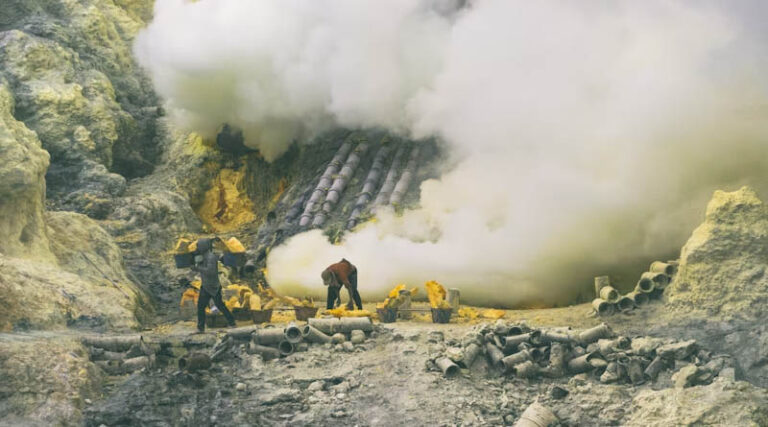
14 March 2026, New Delhi: Growing geopolitical tensions in West Asia and disruptions to energy and commodity flows could soon translate into a potential sulphur shortage for India, raising concerns for the fertiliser sector ahead of the upcoming agricultural seasons. While much of the global attention has been on crude oil and natural gas supply risks, sulphur, a key raw material for fertiliser production may quietly emerge as another critical vulnerability for India’s agricultural supply chain.
Critical Input for Fertilisers
Sulphur plays a vital role in the fertiliser industry because it is used to produce sulphuric acid, one of the most widely produced industrial chemicals in the world. Sulphuric acid is a key ingredient required to convert phosphate rock into phosphoric acid, which is then used to manufacture phosphatic fertilisers such as DAP, NPK fertilisers and Single Superphosphate (SSP).
Globally, nearly 60% of sulphuric acid production is linked to fertiliser manufacturing, making sulphur an essential element for sustaining agricultural productivity.
For India, the importance of sulphur is even greater because domestic availability is limited, and the country relies heavily on imports to meet industrial and fertiliser sector requirements.
India’s Ministry of Agriculture reported a significant increase in fertilizer inventories ahead of the upcoming agricultural seasons.
As of March 10, 2026, India’s total fertilizer stocks stood at 180.12 lakh metric tonnes (LMT), compared with 131.79 LMT during the same period last year, representing a 36.6 percent increase.
The stock buildup has been supported by advance stocking strategies during periods of relatively lower consumption.
Comparative Fertilizer Stock Status (as of March 10)
| FERTILIZER | STOCK (2026) LMT | STOCK (2025) LMT |
|---|---|---|
| Urea | 61.51 | 50.90 |
| DAP | 25.17 | 11.55 |
| NPK | 56.30 | 32.29 |
| MOP | 12.90 | 14.41 |
| SSP | 24.24 | 22.64 |
| Total | 180.12 | 131.79 |
Heavy Dependence on West Asian Imports
A large share of India’s sulphur imports comes from West Asia (Middle East), making the country particularly vulnerable to disruptions in that region. According to trade estimates, India imported nearly $420 million worth of sulphur from West Asia, accounting for about 65.8% of its total sulphur imports.
The United Arab Emirates emerged as the largest supplier, exporting sulphur worth about $82.68 million (658.79 million kg) to India. Qatar supplied sulphur valued at $44.73 million (278.56 million kg), while Oman exported about $42.35 million (310.46 million kg). Kuwait contributed sulphur worth $15.54 million (123 million kg), and Russia supplied about $10.54 million (51.8 million kg).
This heavy dependence on West Asian sources means that any disruption in energy processing or shipping routes in the Gulf region can directly affect sulphur availability for India’s fertiliser industry.
LNG Disruptions Could Add to Fertiliser Risks
Alongside sulphur supply risks, the fertiliser sector is also closely monitoring the availability of liquefied natural gas (LNG), another critical input for fertiliser production.
Natural gas is the primary feedstock used to produce ammonia and urea, which are the backbone of nitrogen fertilisers. India has expanded domestic urea production capacity in recent years, but many fertiliser plants still depend on imported LNG to sustain operations.
Analysts warn that prolonged disruptions to LNG and sulphur supplies could affect domestic urea production and fertiliser availability for the next agricultural season, particularly if supply interruptions continue for several weeks.
Such disruptions could tighten fertiliser supply just as farmers prepare for the next cropping cycle, potentially putting pressure on both fertiliser availability and subsidy requirements.
Global Supply Chain Risks
Much of the world’s sulphur is produced as a by-product of refining sour crude oil and processing sour natural gas, activities that are heavily concentrated in Gulf countries. Large refining and gas processing facilities in countries such as Saudi Arabia, Qatar and the UAE produce vast quantities of recovered sulphur that are exported to fertiliser manufacturers across Asia.
If refining operations slow down due to geopolitical tensions or if shipping routes such as the Strait of Hormuz face disruptions, global sulphur supply could tighten quickly.
Since sulphur is a by-product rather than a primary mined commodity, production levels are closely tied to oil and gas processing activity. This makes supply more sensitive to disruptions in the energy sector.
Industry Exploring Alternative Suppliers
In response to rising geopolitical risks, the fertiliser industry is already exploring alternative supply sources for sulphur and other raw materials. Industry sources indicate that companies are increasingly looking towards Southeast Asian markets and other global suppliers to diversify their supply chains and reduce dependence on West Asian producers.
However, shifting supply chains is not always straightforward. Logistics constraints, existing trade flows and shipping capacities make it difficult to quickly replace large volumes of sulphur traditionally sourced from the Gulf.
Impact on Agriculture
Sulphur is also an essential plant nutrient required for the growth of several crops, including oilseeds, pulses and cereals. Indian soils have become sulphur-deficient over the years due to intensive cropping and imbalanced fertiliser use, increasing the importance of sulphur-containing fertilisers.
Any prolonged shortage of sulphur could therefore have dual implications, affecting both fertiliser manufacturing and soil nutrient management.
Strategic Importance for Food Security
The situation highlights how global energy and commodity supply chains are deeply interconnected with agriculture. While oil and gas dominate headlines during geopolitical crises, the ripple effects on inputs such as sulphur and natural gas can have direct implications for fertiliser production and food security.
For India, ensuring stable access to fertiliser raw materials such as sulphur, ammonia and LNG will remain crucial for sustaining crop productivity and protecting farmers from supply shocks.
As global tensions continue to reshape trade flows, sulphur may emerge as one of the lesser-known but strategically important inputs for India’s agricultural future.
Global Agriculture is an independent international media platform covering agri-business, policy, technology, and sustainability. For editorial collaborations, thought leadership, and strategic communications, write to pr@global-agriculture.com