25 May 2026, New Delhi: As global fertiliser supply chains face renewed uncertainty due to disruptions around the Strait of Hormuz, India has intensified its nationwide campaign promoting balanced fertiliser use and soil health ahead of the kharif planting season.
The Indian government says the country has adequate fertiliser stocks for the season, but rising international freight and raw material costs are increasing pressure on the sector. India, one of the world’s largest fertiliser importers and consumers, relies heavily on overseas supplies for key nutrients and raw materials used in fertiliser production.
Against this backdrop, the Indian Council of Agricultural Research (ICAR), under the Department of Agricultural Research and Education, has expanded a nationwide farmer outreach programme focused on reducing excessive dependence on urea and encouraging more balanced nutrient application.
According to the Ministry of Agriculture & Farmers Welfare, the campaign has so far reached more than 27 million people through media and digital outreach, while directly engaging over 717,000 farmers across the country.
Indian agriculture has long struggled with imbalanced fertiliser consumption, particularly the overuse of subsidised urea compared to phosphatic and potassic fertilisers. Industry experts and policymakers have repeatedly warned that excessive nitrogen application is contributing to declining soil health, lower nutrient-use efficiency, and environmental stress in several agricultural regions.
Fertilisers in India are heavily subsidised, making urea significantly cheaper for farmers than many other crop nutrients. The pricing structure has historically encouraged higher nitrogen consumption, especially in cereal crops such as rice and wheat.
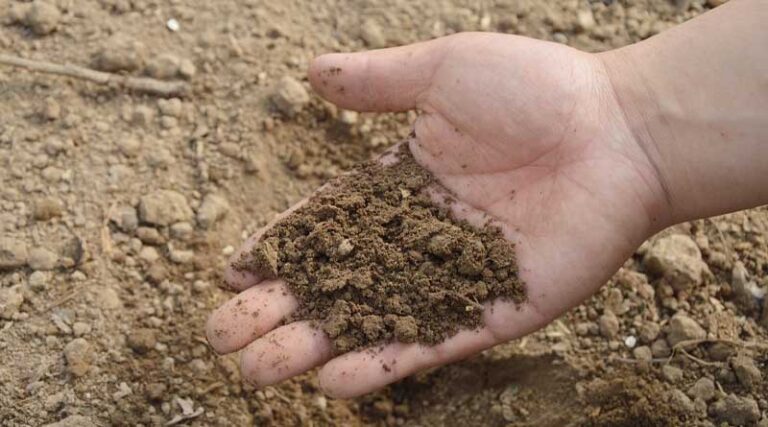
To address the issue, authorities have organised nearly 13,000 awareness camps and seminars promoting soil test-based nutrient management and sustainable farming practices. More than 3,100 training programmes and close to 8,000 field demonstrations have also been conducted, covering practices such as green manuring, bio-fertilisers, and organic nutrient sources.
The outreach effort has extended beyond farmers to include village councils, farmer producer organisations, self-help groups, and agricultural input dealers. More than 9,600 interaction programmes were held with fertiliser retailers and input suppliers to spread awareness about balanced fertiliser use.
The campaign has also relied heavily on mass communication, including radio, television, and digital media broadcasts, alongside educational displays at over 53,000 locations across the country.
India’s push for balanced fertiliser use comes as policymakers attempt to safeguard agricultural productivity while reducing long-term pressure on soils and improving nutrient efficiency in one of the world’s largest farming economies.
Global Agriculture is an independent international media platform covering agri-business, policy, technology, and sustainability. For editorial collaborations, thought leadership, and strategic communications, write to pr@global-agriculture.com