23 July 2026, New Delhi: The Indian government has announced a series of policy, market and technology interventions to stabilise the Totapuri mango value chain after a sharp decline in prices affected growers across Andhra Pradesh, Tamil Nadu and Karnataka during the 2026 season.
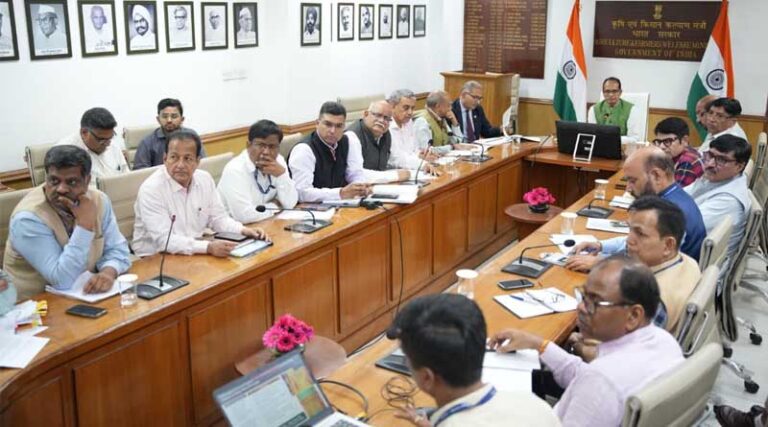
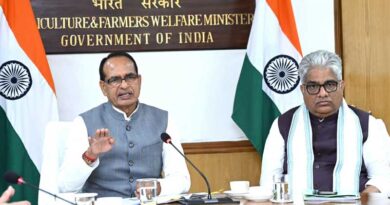
The measures were announced following a high-level review chaired by Union Agriculture and Farmers’ Welfare Minister Shivraj Singh Chouhan, who examined recommendations submitted by an expert committee constituted under the Indian Council of Agricultural Research (ICAR).
The committee, which conducted field visits between 8–10 July in Andhra Pradesh’s Tirupati and Chittoor districts, met farmers, Farmer Producer Organisations (FPOs), processors, exporters and local officials to assess challenges across the production and processing chain.
Low Quantity of Real Mango Pulp Reduced Demand
According to the committee, one of the principal reasons behind this year’s decline in Totapuri mango prices was the low quantity of real mango pulp used in mango-based beverages sold in the domestic market. The committee also identified delays in procurement by processing units and fluctuations in global markets as contributing factors. Together, these developments reduced demand for Totapuri pulp and intensified pressure on prices during the peak marketing season.
The report also found that many processing units were unable to begin procurement early in the season. As large volumes of fruit reached markets and processing facilities simultaneously, oversupply triggered a sharp decline in prices, leaving growers with significantly lower returns.
Government Eyes Higher Pulp Standards
To increase demand for natural mango pulp, the committee recommended that mango-based beverages contain 22–25% real natural mango pulp.
It further proposed that beverages meeting this threshold continue to qualify for the 5% concessional Goods and Services Tax (GST) rate, while products containing lower quantities of real mango pulp should attract a higher GST rate.
Following the recommendation, Chouhan directed officials to convene an inter-ministerial meeting involving the Food Safety and Standards Authority of India (FSSAI), the GST Council, the Ministries of Finance, Food Processing Industries, Agriculture and Health to examine possible regulatory and taxation changes.
Price Stabilisation Committee Proposed
To improve market coordination, the committee recommended establishing a Central Coordination and Price Stabilisation Committee for major Totapuri-producing states.
The proposed body would review annual crop estimates, processing capacity, export demand, production costs and market conditions before each season. It would also recommend indicative farm-gate procurement prices and reference prices for mango pulp, providing greater transparency for both growers and processors.
Orchard Rejuvenation and Better Farm Practices
The review found that many Totapuri orchards in Andhra Pradesh’s Chittoor, Tirupati, Annamayya and Kadapa districts consist of ageing plantations with declining productivity and fruit quality.
To improve returns, the committee recommended rejuvenating orchards through top-working, whereby existing trees are grafted with commercially valuable varieties such as Alphonso, Neelam, Himayat and Banganapalli. Farmers could begin harvesting higher-value varieties within two to three years.
The committee also recommended wider adoption of Good Agricultural Practices (GAP) through farmer training, demonstration orchards and cluster-based extension programmes.
To improve fruit quality and reduce pest damage, officials proposed distributing fruit bags across approximately 23,333 hectares in key production districts, helping growers access premium domestic markets.
Processing Reforms and Value Addition
The committee recommended closer coordination between state horticulture departments, processors and Farmer Producer Organisations (FPOs) to prepare annual procurement plans before each mango season.
It also suggested that the Andhra Pradesh Government introduce a Standard Operating Procedure (SOP) requiring registered processing units to begin procurement and pulp production by 15 May each year, reducing procurement delays that contribute to seasonal price volatility.
The meeting also explored opportunities for farmer-led processing and FPO-based value addition using technologies developed by ICAR institutes, including the production of mango butter and other products from mango seed kernels to generate additional income from processing by-products.
Export Strategy to Support the Sector
Representatives from the Agricultural and Processed Food Products Export Development Authority (APEDA) outlined initiatives to expand exports of Totapuri and other Indian mangoes, including greater use of sea freight to lower logistics costs and improve access to international markets.
Chouhan said the government would work with APEDA, ICAR and state governments to develop an integrated export and marketing strategy for both processed Totapuri products and fresh mangoes.
He added that the proposed reforms are intended to create a more farmer-centric Totapuri mango value chain through coordinated action involving central and state governments, research institutions, industry and farmer organisations, with the objective of improving grower incomes while strengthening India’s competitiveness in global mango markets.
Global Agriculture is an independent international media platform covering agri-business, policy, technology, and sustainability. For editorial collaborations, thought leadership, and strategic communications, write to pr@global-agriculture.com