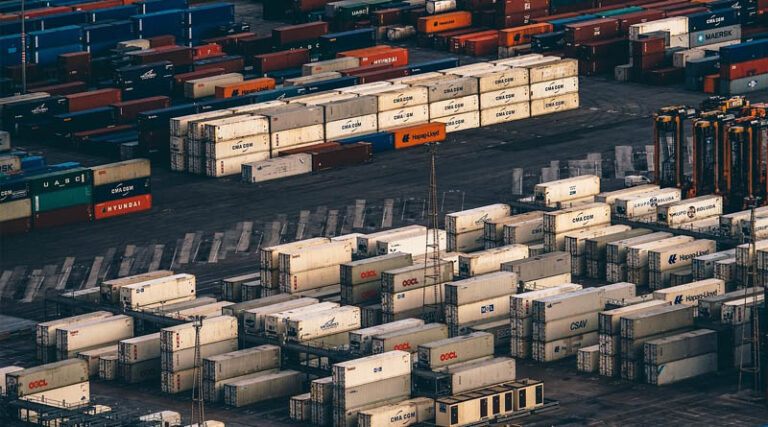
01 September 2026, Beijing: China is expected to supply at least 1.2 million tonnes of urea to India’s latest state tender, more than two-thirds of the volume booked, in one of the clearest signals yet that Beijing’s return to the export market is reshaping global nitrogen supply. Bloomberg reported the shipment plan on August 27, citing people familiar with the matter; Business Standard and Ag Policy & Markets Daily corroborated the figures the same day.
India’s Rashtriya Chemicals and Fertilizers (RCF) sought up to 1.7 million tonnes in the tender, with cargoes required to leave loading ports by September 24. The lowest offers, reported by price-reporting agency Profercy, came in at $390.25 per tonne CFR on India’s east coast and $393.65 on the west coast, a roughly 12% decline from India’s June tender ($444.90/$449.30) and nearly 60% below the extraordinary $935 to $959 per tonne India paid in a record 2.5-million-tonne purchase in April, when the Iran conflict had choked Middle Eastern supply through the Strait of Hormuz.
The reversal has been rapid. Beijing tightened fertilizer exports in March as the Iran war disrupted Gulf shipments and sent global prices soaring, then began easing the curbs from late May. China’s 2026 export allowance has since grown to roughly 5 to 5.5 million tonnes, about the country’s typical annual volume and around a tenth of world urea trade. Customs data show China’s urea exports jumped from about 7,000 tonnes in June to 403,000 tonnes in July, with India already a major destination; the current tender, if it lands as expected, would absorb more than a fifth of the year’s remaining allowance in a single transaction.
India’s scale gives the deal outsized influence. The country consumed about 39.66 million tonnes of urea in 2025-26 while imports surged 83% year-on-year to roughly 10.35 million tonnes, government data show, enough for Indian tenders to function as a de facto global price-setter. More than 40% of India’s 2025 urea and related imports came from the Middle East, where cargoes had to run the conflict-sensitive Strait of Hormuz; Chinese supply reaches India without that chokepoint, one reason Indian buyers have favoured it.
The knock-on effect matters beyond South Asia. Analysts note that Chinese tonnes filling Indian demand free up Middle Eastern and North African supply to compete for business in Brazil, Europe and the U.S. Gulf, pulling down the global clearing price generally. U.S. retail urea has already eased to roughly $664 per short ton in the third week of August, from a 2026 peak near $866, according to DTN’s retail survey, though dealers note retail prices typically lag the wholesale swings, so the fall is not instant everywhere.
The arrangement remains fragile. China’s export allowance is a government-controlled quota that Beijing has shown, in March, it is willing to close again quickly if it judges domestic supply or food security is at risk. Middle Eastern supply also remains exposed to further Strait of Hormuz disruption. Both India and other big importers are, in effect, relying on a policy decision in Beijing that could be reversed with little notice.
Global Agriculture is an independent international media platform covering agri-business, policy, technology, and sustainability. For editorial collaborations, thought leadership, and strategic communications, write to pr@global-agriculture.com