Promoting Dietary Diversity Through Nutri-food-basket And Nurturing Nutri-Sensitive Local Food-systems
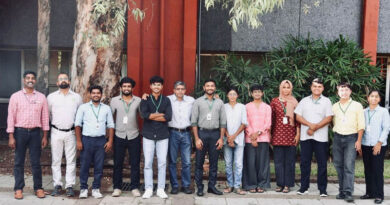
01 September 2026, New Delhi: Malnutrition and anaemia pose persistent public health challenges across India’s tribal regions. Historically, although nutrient-dense millets were locally cultivated, their consumption declined due to labor-intensive preparation methods, a lack of processing infrastructure, and an absence of structured government procurement. To dismantle these barriers, the International Crops Research Institute for the Semi-Arid Tropics (ICRISAT) launched the Nutri-Food Basket project in Telangana in 2017, pioneering a sustainable, food-based approach to dietary diversification.
By transforming traditional millet recipes into standardized ready-to-cook meals and ready-to-eat energy bars, the initiative removed the burden of time-consuming household preparation. Distributed through state-supported anganwadi centers, these tailored food products were well-received by children, adolescent girls, and mothers. Building on early success, the intervention expanded into the Giri Poshana initiative, extending its reach to over 29,000 beneficiaries across multiple districts.
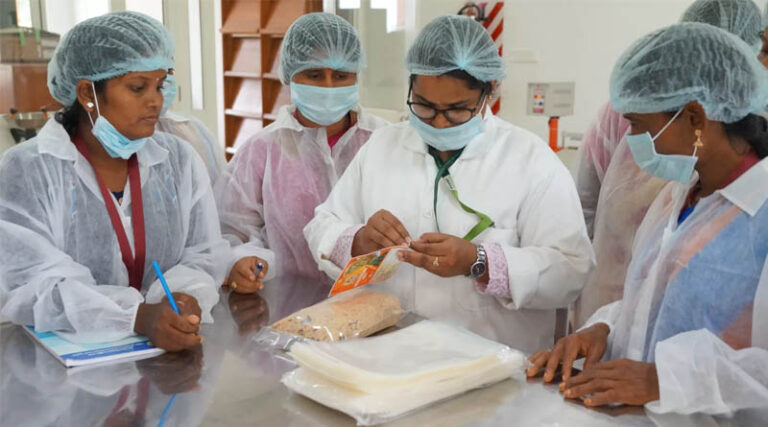
Central to the project’s scalability was a multisectoral convergence model that integrated agriculture, public health, and local enterprise. ICRISAT partnered with tribal welfare agencies, health departments, and farmer organizations to build an inclusive value chain. To secure local supply and foster economic self-reliance, the project established eight licensed processing units operated by 80 trained tribal women and youth. Organised into sustainable enterprises, these local producers supplied institutional feeding programs directly, creating reliable market demand for local millet farmers while generating rural livelihoods.
The health outcomes of the scale-up phase demonstrated remarkable success over a 12-month feeding cycle. Interventions led to a 72 percent reduction in severe wasting among participating children, alongside substantial improvements in stunting and underweight metrics. Furthermore, mean hemoglobin levels rose significantly, moving many participants from moderate anaemia to healthy statuses. The program even maintained food deliveries directly to homes during COVID-19 pandemic disruptions, proving the resilience of locally anchored food systems.
The Nutri-Food Basket model proves that aligning food-based nutrition with local entrepreneurship and institutional support creates a highly replicable blueprint for health equity. Today, the approach is being adopted by other state governments, including Odisha, and offers a strong foundation for South-South knowledge transfer to address nutritional security across similar agro-ecological zones globally.
Also Read: Syngenta Welcomes Trevor Watson As Turf Territory Manager For Mid-atlantic And Northeast Region
Global Agriculture is an independent international media platform covering agri-business, policy, technology, and sustainability. For editorial collaborations, thought leadership, and strategic communications, write to pr@global-agriculture.com