9.25 Crore Farmer IDs Created: India Pushes for 100% Coverage in Six Months
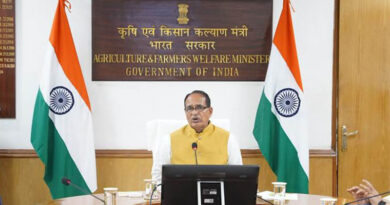
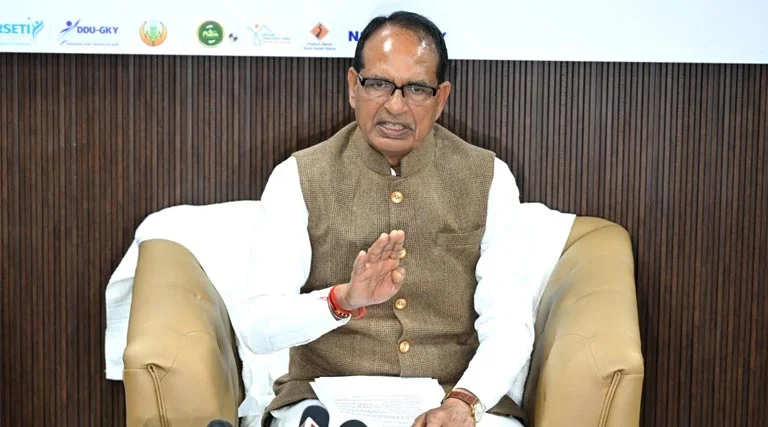
02 April 2026, New Delhi: In a significant push towards digitising Indian agriculture, Union Agriculture Minister Shivraj Singh Chouhan recently chaired a high-level review meeting with state agriculture ministers, placing Farmer ID at the centre of India’s agri-reform agenda. The initiative is rapidly emerging as a foundational tool to streamline farmer-centric services, improve transparency, and strengthen the connection between farmers and the broader agricultural ecosystem.
The government has already created over 9.25 crore Farmer IDs across 19 states, signalling strong early adoption. The Minister has now urged states to accelerate efforts and achieve 100% coverage within the next six months, emphasizing coordinated action between agriculture and revenue departments. Importantly, the campaign aims to go beyond beneficiaries of schemes like PM-Kisan, ensuring universal inclusion of all eligible farmers.
Farmer ID is being positioned not merely as a registration tool, but as a comprehensive digital identity that links farmers to their land holdings, crops, livestock, and fisheries. This integrated database is expected to enable more precise policy implementation, targeted subsidies, and efficient delivery of services through Aadhaar-linked systems and Direct Benefit Transfer (DBT).
The discussions also underscored the need for technology-driven governance in fertiliser distribution, where Farmer ID can play a crucial role. By mapping farmer needs and land data, the system can help ensure equitable distribution, prevent hoarding, and reduce black marketing—persistent challenges in the fertiliser supply chain.
In parallel, the meeting reviewed procurement operations under the PM-AASHA scheme. The government reiterated its commitment to ensuring that procurement is conducted transparently, with Aadhaar-based authentication and direct payments to farmers’ bank accounts. Farmer ID integration is expected to further strengthen these mechanisms by eliminating duplication and improving traceability.
The initiative also aligns with broader efforts to modernise agriculture through campaigns such as the Viksit Krishi Sankalp Abhiyan, supported by Indian Council of Agricultural Research. These programs aim to bridge the gap between research and field-level implementation, ensuring that farmers benefit from the latest technologies and best practices.
From a global agriculture perspective, India’s Farmer ID initiative represents a large-scale digital transformation modelwith the potential to influence other developing economies. By building a unified farmer database at this scale, India is laying the groundwork for data-driven agriculture, improved market linkages, and more resilient food systems.
As the government pushes for full coverage and deeper integration, Farmer ID is poised to become a non-negotiable pillar of agricultural governance, enabling transparency, efficiency, and inclusivity across the sector.
Also Read: How is India Protecting Farmers from Climate Change at Scale?
Global Agriculture is an independent international media platform covering agri-business, policy, technology, and sustainability. For editorial collaborations, thought leadership, and strategic communications, write to pr@global-agriculture.com