IRRI and Government of Sikkim Explore Collaboration To Advance Climate-smart Rice, Seed Systems, and Scale-Appropriate Mechanization
08 September 2026, Sikkim: The International Rice Research Institute (IRRI) and the Government of Sikkim are exploring strengthened collaboration to support sustainable and climate-resilient rice-based agriculture through preservation and promotion of traditional rice landraces, strengthening seed systems, scale-appropriate mechanization, and capacity development.
Sikkim is home to more than 80 traditional rice landraces, representing a rich and unique agricultural heritage. However, many of these valuable landraces are now at risk of being lost, while labour shortages are making paddy cultivation increasingly challenging. As a result, farmers are gradually shifting from rice to other more profitable commercial crops.
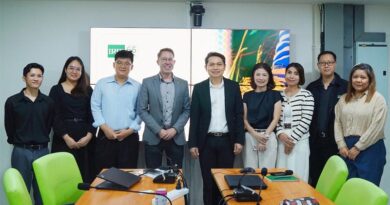
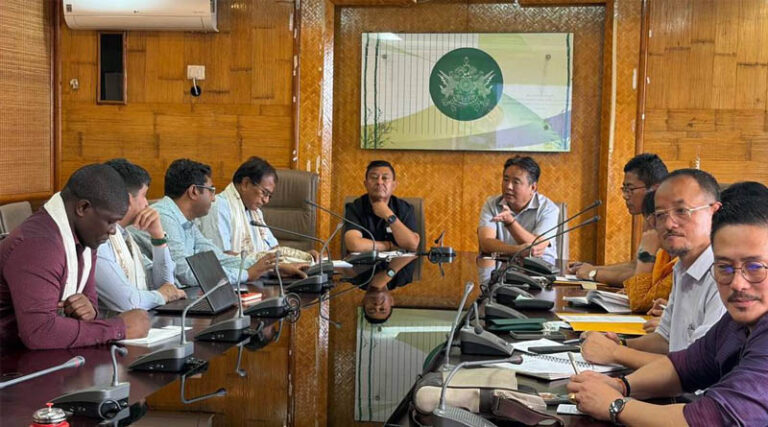
The IRRI team led by Dr. Suryakanta Khandai, with Senior Consultant Dr. G. K. Choudhury, held high-level discussions with Agriculture Secretary Shri R. P. Thapa, Horticulture Secretary Shri T. T. Bhutia, and senior officials of the Government of Sikkim on 1 September 2026 in Gangtok.
The discussions covered priority areas where IRRI’s technical expertise and global experience can complement Sikkim’s ongoing efforts to strengthen agricultural productivity, resilience and farmer livelihoods.
Preserving Sikkim’s rice heritage and landraces
Discussions also highlighted the importance of conserving, characterizing and promoting Sikkim’s traditional rice landraces as valuable genetic, nutritional, and cultural resources. Potential work could include systematic documentation and characterization of priority landraces based on attributes such as grain quality, aroma, nutritional value, adaptation to local agroecosystems, climate resilience and cultural significance.
Partners are also considering ways to connect conservation with seed multiplication, quality assurance, value addition and market development to help transform traditional varieties into viable livelihood opportunities for farming communities while maintaining their genetic diversity.
Strengthening seed systems
To improve access to quality seeds, IRRI and the Government of Sikkim also eye collaboration on strengthening seed production, quality assurance, storage, distribution, with particular attention to locally adapted varieties and landraces. The collaboration could also support the development of capacities among farmers, seed producers, extension personnel and relevant state institutions, enabling a more reliable and sustainable seed supply system across the state.
Advancing scale-appropriate mechanization
Sikkim’s distinct farming conditions, including mountainous terrain, small and fragmented landholdings, and diverse production systems, call for agricultural technologies and approaches that are adapted to local needs rather than designed for large-scale farming.
The teams discussed identifying and demonstrating appropriate machinery and tools suited to Sikkim’s terrain and farm sizes for land preparation, crop establishment, intercultural operations, harvesting and postharvest management. They also considered establishing service-based mechanization models that would allow farmers and producer groups to access machinery without having to own it. It will also reduce farm drudgery, improve timeliness of operations, and make better use of limited farm resources.
Building capacity for a resilient agricultural future
Capacity development emerged as a cross-cutting priority. The proposed partnership could facilitate training, demonstrations, exposure visits, technical knowledge exchange and hands-on capacity development for farmers, extension personnel, machinery operators, seed producers and state-level institutions. These efforts would aim to strengthen local technical capacity while promoting practical, farmer-centered solutions suited to Sikkim’s unique agroecological conditions.
Towards a Sikkim-specific partnership model
Moving forward, IRRI and the Government of Sikkim will continue exploring opportunities to bring together rice science, local knowledge, and practical solutions that respond to the state’s agricultural priorities.
“If we can conserve and revive these traditional landraces while creating better markets and greater value for them, farmers will have stronger incentives to continue cultivating rice preserving their traditionality. At the same time, scale-appropriate regenerative management practices & mechanization can address labour constraints and reduce the cost of cultivation, making rice farming more viable and attractive,” said Agriculture Secretary Shri R. P. Thapa.
“The Government of Sikkim is keen and happy to collaborate with IRRI in this direction. Together, we can protect Sikkim’s rich rice diversity, make rice cultivation more profitable, and secure a sustainable future for our rice farmers.” he added.
Also Read: Bayer Advances Plan to Launch 10 Blockbuster Products Over the Next 10 Years
Global Agriculture is an independent international media platform covering agri-business, policy, technology, and sustainability. For editorial collaborations, thought leadership, and strategic communications, write to pr@global-agriculture.com