23 October 2026, New Delhi: India’s food safety regulator has proposed the country’s first clearly defined maximum residue limits for two widely used tea insecticides, acetamiprid and imidacloprid, in a draft notification that could reshape how growers manage pesticide use on tea estates.
The Food Safety and Standards Authority of India published the draft Food Safety and Standards (Contaminants, Toxins and Residues) Amendment Regulations, 2026 in the Gazette of India on October 16, 2026, under the Ministry of Health and Family Welfare. The draft sets a maximum residue limit of 20 mg/kg for acetamiprid and 50 mg/kg for imidacloprid in tea, according to a ministry statement issued October 17, 2026 and corroborated by multiple independent domestic reports citing the same figures.
The ministry said the acetamiprid limit is lower than comparable limits applied in Japan (30 ppm) and the United States (50 ppm), positioning India’s proposed standard as more conservative than two of the markets it benchmarked against. It said the imidacloprid limit was set with reference to international Codex Alimentarius standards, the joint FAO-WHO food safety benchmarks widely used in global trade. The gazette process gives stakeholders an opportunity to comment before the regulations are finalized, though the ministry’s statement did not specify a comment deadline.
Filling a Regulatory Gap
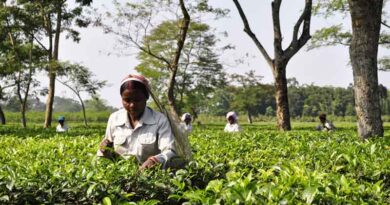
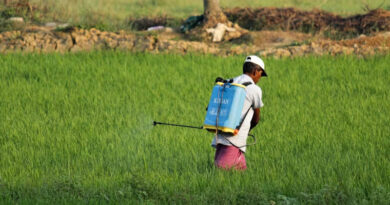
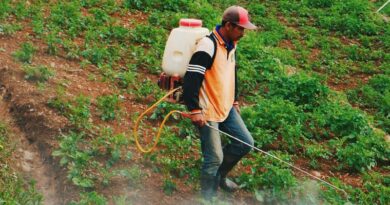
Acetamiprid and imidacloprid are both neonicotinoid-group insecticides widely used against sucking pests such as aphids, jassids and thrips in tea cultivation, one of India’s most valuable agricultural export categories. Until now, India had lacked codified, crop-specific maximum residue limits for these two molecules in tea, leaving enforcement and compliance checks without a clear numeric benchmark, a gap the ministry said the new regulations are meant to close. The ministry framed the move as part of a broader effort to set what it called science-based residue standards drawing on international practice and the needs of Indian agriculture, pointing to its earlier delisting of 13 more toxic pesticides as evidence of its consumer-protection focus.
The ministry also said India’s average pesticide use intensity is below 0.5 kg per hectare, which it described as well under the global average of roughly 2.38 kg per hectare and lower than usage in Brazil, Colombia and the United States, a comparison it used to frame its domestic regulatory approach as already conservative.
The draft limits apply specifically to India’s domestic market. They do not change the separate, generally far stricter maximum residue limits that importing markets, including the European Union, apply to tea shipments from India. Exporters will continue to calibrate spray programs to the tightest limit among the markets they serve, regardless of where India’s own domestic standard is set.
Global Agriculture is an independent international media platform covering agri-business, policy, technology, and sustainability. For editorial collaborations, thought leadership, and strategic communications, write to pr@global-agriculture.com