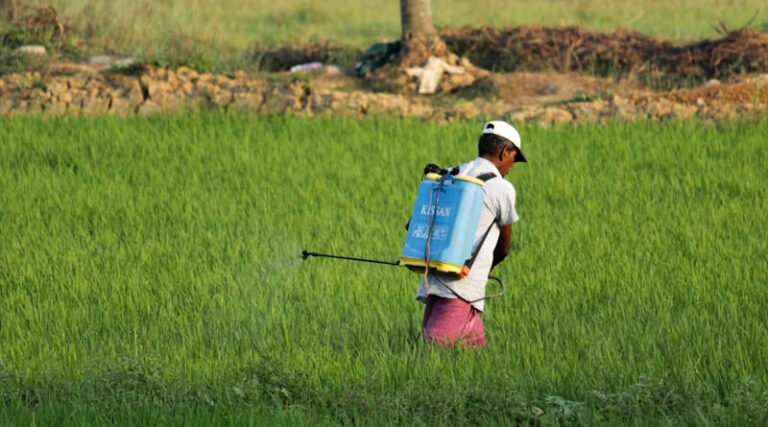
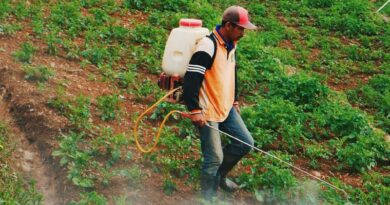
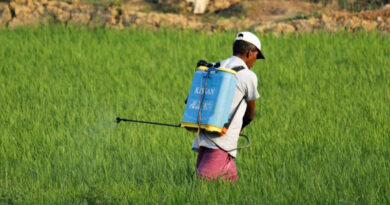
27 August 2026, New Delhi: The Government of India has proposed a complete ban on the manufacture, import, transport, distribution, sale and use of Carbosulfan, citing significant risks to human health, animals and the environment.
The proposed prohibition follows an expert review initiated by the Ministry of Agriculture and Farmers Welfare earlier this year, along with subsequent examination and recommendations by the Registration Committee constituted under India’s Insecticides Act, 1968.
Government Moves to Prohibit Carbosulfan
The Department of Agriculture and Farmers Welfare constituted an Expert Committee on 14 January 2026 to examine the continued use of Carbosulfan, an insecticide registered for use in India. After conducting a detailed examination, the committee submitted its report to the Central Government on 12 June 2026.
The government subsequently consulted the Registration Committee established under Section 5 of the Insecticides Act, 1968. The committee reviewed the status of recommended studies and data, as well as safety concerns associated with the insecticide.
A key concern identified by the committee is that Carbosulfan is rapidly metabolised into Carbofuran, a highly toxic metabolite associated with severe cholinesterase inhibition and acute systemic toxicity.
The committee also highlighted significant toxicity concerns involving birds, pollinators, aquatic organisms and other non-target species. The assessment noted that the risks associated with Carbosulfan extend beyond direct human exposure, raising concerns about its wider effects on agricultural ecosystems and environmental health.
The committee also took note of regulatory actions in several countries where the use of Carbosulfan has been restricted or prohibited.
No Specific Antidote for Carbosulfan Toxicity
The Registration Committee further noted that while atropine and other supportive treatments are available for the symptomatic management of poisoning, there is no specific antidote capable of reversing the toxic effects of Carbosulfan.
On this basis, the committee concluded that continued use of the insecticide is likely to pose significant risks to public health and the environment.
Proposed Ban Covers the Entire Carbosulfan Supply Chain
The draft Banning of Carbosulfan Order, 2026 proposes a comprehensive prohibition covering the insecticide’s manufacture, import and use.
Under the proposed order, no person would be permitted to import, manufacture, sell, transport, distribute or use Carbosulfan. The prohibition would take effect from the date of publication of the final order in the Official Gazette.
Existing Registrations Would Be Cancelled
The proposed order also provides for the withdrawal of existing registration certificates granted for Carbosulfan.
The Registration Committee would call back the certificates issued for the insecticide. Holders of these certificates would have three months to return them. Failure to return a registration certificate within the specified period could result in action under the provisions of the Insecticides Act, 1968.
The draft order further states that all registration certificates for Carbosulfan granted under Section 9 of the Insecticides Act would be deemed cancelled from the date of the order.
State Governments to Implement the Proposed Prohibition
State governments would also be responsible for taking the necessary measures to implement the order within their respective jurisdictions.
The draft requires each State Government to take such steps under the Insecticides Act and the rules framed under it as may be necessary to ensure implementation of the proposed prohibition. This would place enforcement responsibilities across India’s agricultural regulatory system, including measures concerning the distribution, sale and use of the insecticide.
30-Day Period for Public Objections and Suggestions
The government has issued the proposed prohibition as a Draft Order, meaning that the ban is not yet the final regulatory position.
The draft has been published for information and to provide an opportunity for affected stakeholders and members of the public to submit objections or suggestions.
The Central Government will consider the draft order after the expiry of 30 days from the date on which copies of the relevant Gazette are made available to the public.
Objections and suggestions can be submitted to the Joint Secretary (Plant Protection), Ministry of Agriculture and Farmers Welfare, Department of Agriculture and Farmers Welfare, Krishi Bhawan, New Delhi – 110 001.
Global Agriculture is an independent international media platform covering agri-business, policy, technology, and sustainability. For editorial collaborations, thought leadership, and strategic communications, write to pr@global-agriculture.com