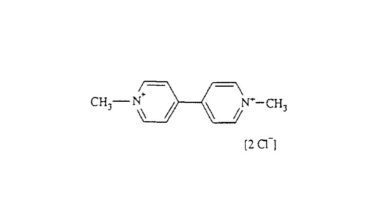
14 July 2026, New Delhi: The Government of India has published a draft notification proposing a complete ban on the manufacture, import, transport, distribution, sale and use of paraquat dichloride, citing concerns over its risks to human and animal health. The draft Banning of Paraquat Dichloride Order, 2026, published in the Gazette of India on July 13, will remain open for public comments for 30 days before the government takes a final decision.
Expert Committee Recommends Ban
The proposal follows a review by an Expert Committee constituted by the Ministry of Agriculture and Farmers Welfare on January 14, 2026, to examine the continued registration and use of paraquat dichloride in India. The committee submitted its report to the Central Government on June 12, 2026.
The government subsequently consulted the Registration Committee constituted under Section 5 of the Insecticides Act, 1968, which reviewed the available scientific studies, safety data and regulatory concerns before recommending a complete prohibition of the herbicide.
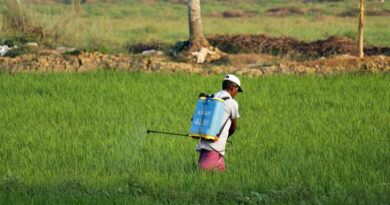
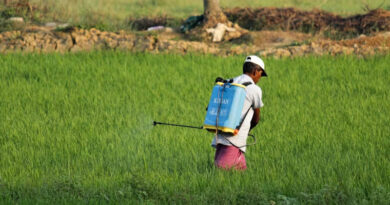
It is important to note that paraquat is registered in India as a non-selective contact herbicide for weed control, there have been reports and documented cases of its use as a crop desiccant to accelerate the drying of crops such as mung bean and soybean before mechanical harvesting. However, crop desiccation is not a registered use of paraquat dichloride in India, and such applications fall outside the approved label.
According to the draft notification, the Registration Committee noted that paraquat dichloride has been banned or severely restricted in more than 70 countries. It also highlighted documented adverse health effects, continued poisoning incidents resulting in high fatalities, and the absence of a specific antidote as major concerns.
After considering the committee’s recommendations, the Central Government concluded that continued use of paraquat dichloride is likely to pose risks to humans and animals, making immediate regulatory action necessary.
Once the order is finalized, the import, manufacture, transport, distribution, sale and use of paraquat dichloride will be prohibited across India.
The draft also provides for the withdrawal of all registration certificates issued for paraquat dichloride. Registration holders will be required to surrender their certificates within three months, while all registrations granted under Section 9 of the Insecticides Act will be deemed cancelled from the date the final order comes into force. State governments will be responsible for enforcing the ban.
Public Consultation Underway
The draft order has been published for public consultation, with stakeholders invited to submit objections or suggestions within 30 days from the date the Gazette notification is made available to the public. The representations may be submitted to the Joint Secretary (Plant Protection), Ministry of Agriculture and Farmers Welfare, Krishi Bhawan, New Delhi.
Global Implications
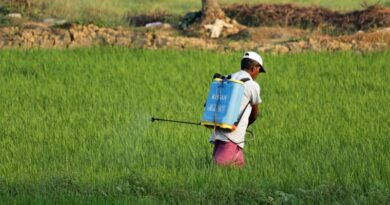
Paraquat is a non-selective contact herbicide widely used for weed control in plantations, orchards and several field crops. However, it has remained one of the most controversial crop protection products globally because of its acute toxicity and the lack of an effective antidote in poisoning cases.
If the proposed order is finalized, India will join a growing number of countries that have either banned or significantly restricted paraquat dichloride, marking a major regulatory shift for the country’s crop protection sector and potentially accelerating the adoption of alternative weed management solutions.
Global Agriculture is an independent international media platform covering agri-business, policy, technology, and sustainability. For editorial collaborations, thought leadership, and strategic communications, write to pr@global-agriculture.com