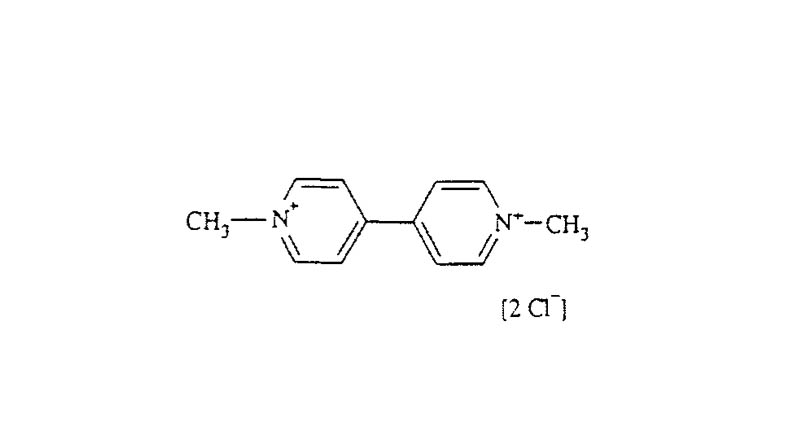
Paraquat dichloride

Explore the latest research, regulatory developments, product updates, scientific studies, and crop protection developments related to Paraquat Dichloride. Stay informed on contact herbicides, weed management, herbicide resistance, crop protection, regulatory policy, sustainable farming, and pesticide stewardship.

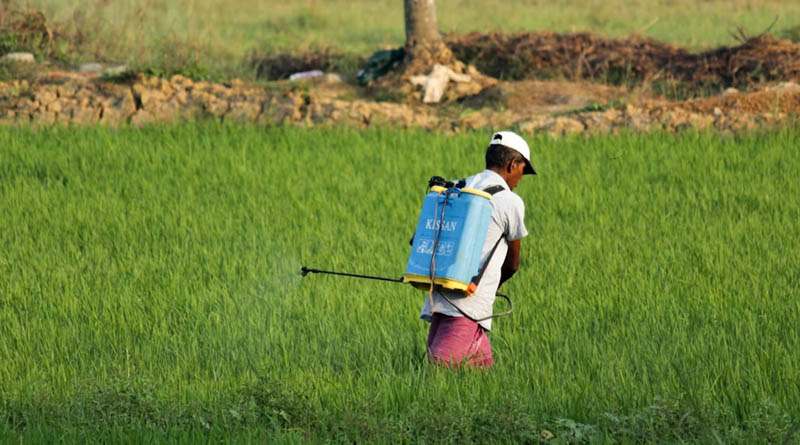
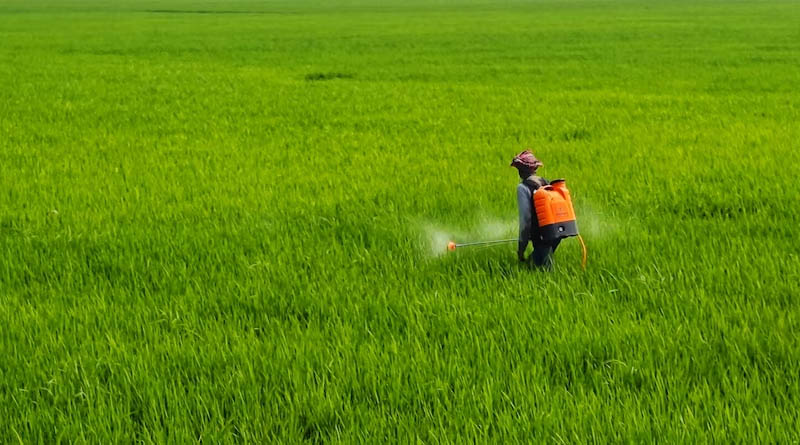
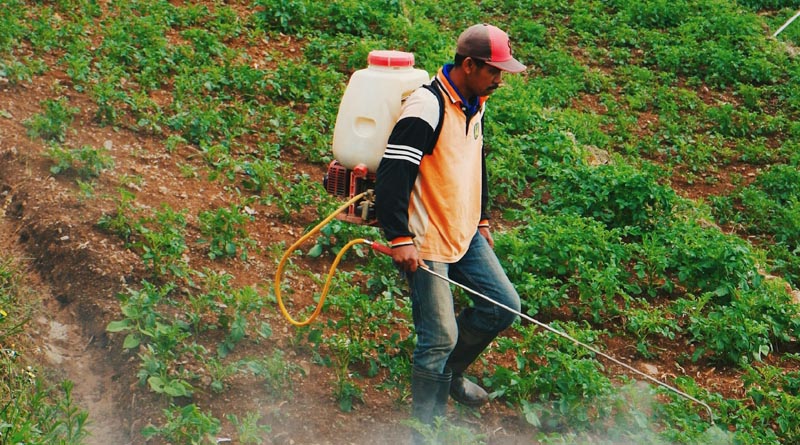
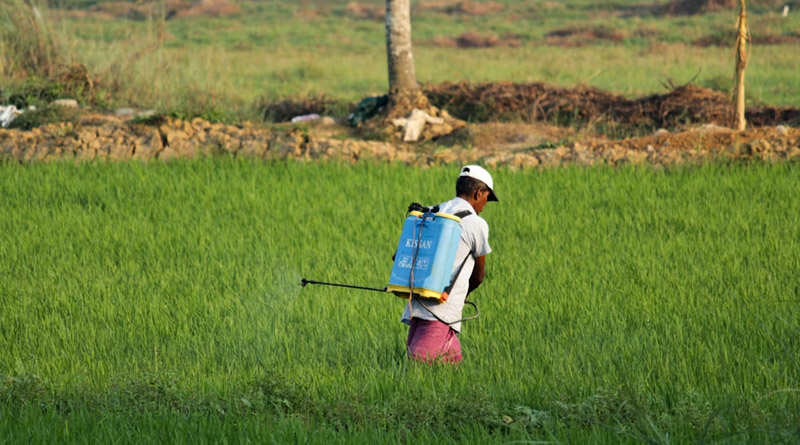
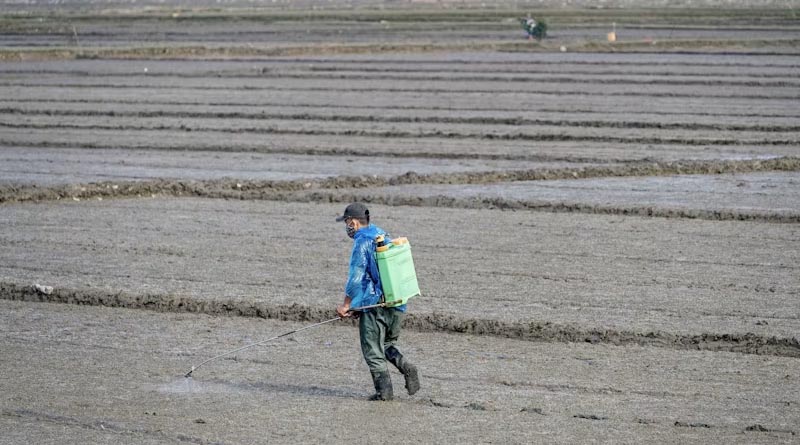
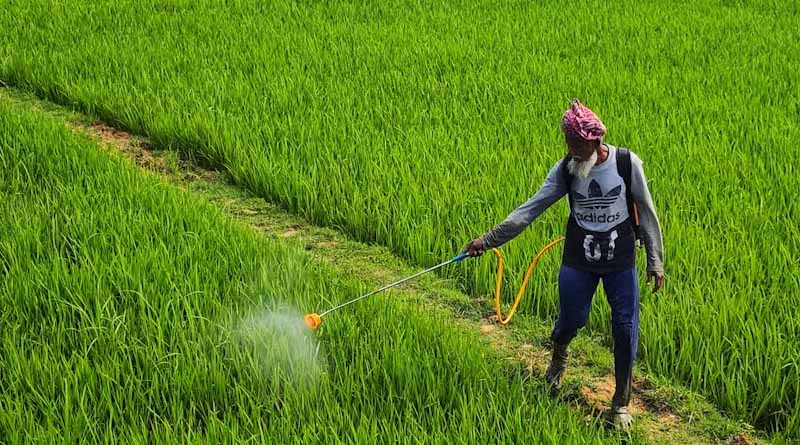
Paraquat dichloride is a fast-acting, non-selective contact herbicide widely used for controlling green vegetation and weeds. It is the dichloride salt of paraquat, a bipyridyl herbicide that rapidly disrupts plant cell membranes through oxidative processes, resulting in desiccation of treated green plant tissue. Paraquat dichloride is used in agricultural weed management and as a crop desiccant in certain approved applications.

Because paraquat dichloride is highly toxic to humans if ingested, its use, handling, sale, and formulation are subject to strict regulatory and stewardship requirements in many jurisdictions. Regulatory status and permitted uses vary by country, making registration decisions, safety regulations, application restrictions, residue requirements, and stewardship measures important areas of ongoing industry and policy discussion.

Paraquat remains an important subject in weed resistance management, particularly because of its rapid contact activity and role in controlling difficult weeds. Its use is generally considered within Integrated Weed Management (IWM)programs, alongside herbicides with different modes of action and non-chemical weed-control practices.

This category features regulatory decisions, scientific research, product registrations, herbicide resistance studies, crop protection developments, stewardship initiatives, environmental assessments, policy discussions, and global developments related to paraquat dichloride.