19 June 2026, London: Paraquat, one of the world’s most widely used non-selective herbicides, has been banned or withdrawn in more than 70 countries due to concerns over its acute toxicity and potential risks to human health.
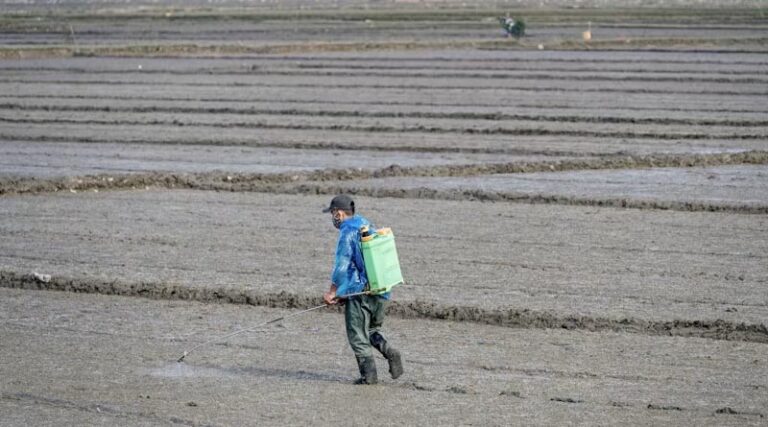
Regulators across the world have cited several reasons for restricting or prohibiting paraquat. The herbicide is highly toxic if swallowed, with even small quantities capable of causing fatal poisoning. Health authorities have also raised concerns about occupational exposure among farm workers and pesticide applicators. In addition, a growing body of scientific literature has examined possible associations between long-term paraquat exposure and neurological disorders, including Parkinson’s disease, although regulatory assessments and legal proceedings continue to debate the strength of this evidence.
Countries that have prohibited paraquat include China, Brazil, South Korea, Taiwan, Switzerland, the United Kingdom, Kuwait, Syria, El Salvador, and all member states of the European Union. Several European countries that have banned the herbicide include Austria, Belgium, Denmark, Finland, France, Germany, Hungary, Ireland, Italy, the Netherlands, Norway, Spain, and Sweden.
The European Union withdrew approval for paraquat in 2007 following a court ruling that raised concerns about worker safety. China, one of the largest historical users of the herbicide, phased out domestic use of paraquat formulations over the past decade. Brazil and South Korea have also discontinued the product citing health and safety concerns.
List of countries where paraquat has been banned or withdrawn include:
Austria
Belgium
Brazil
China
Denmark
El Salvador
Finland
France
Germany
Hungary
Ireland
Italy
Kuwait
Netherlands
Norway
South Korea
Spain
Sweden
Switzerland
Syria
Taiwan
United Kingdom
All European Union member states
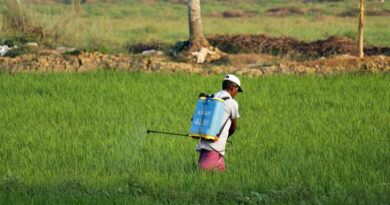
Despite the growing number of bans, paraquat continues to be registered and used in several major agricultural markets, including India, the United States, and Australia, often under strict handling and safety requirements.
The herbicide remains at the center of global regulatory discussions as governments review pesticide registrations and evaluate alternatives that balance effective weed management with human and environmental safety considerations.
Global Agriculture is an independent international media platform covering agri-business, policy, technology, and sustainability. For editorial collaborations, thought leadership, and strategic communications, write to pr@global-agriculture.com