CIMMYT, WFP Forge Global Partnership to Strengthen Food Security and Build Resilient Food Systems
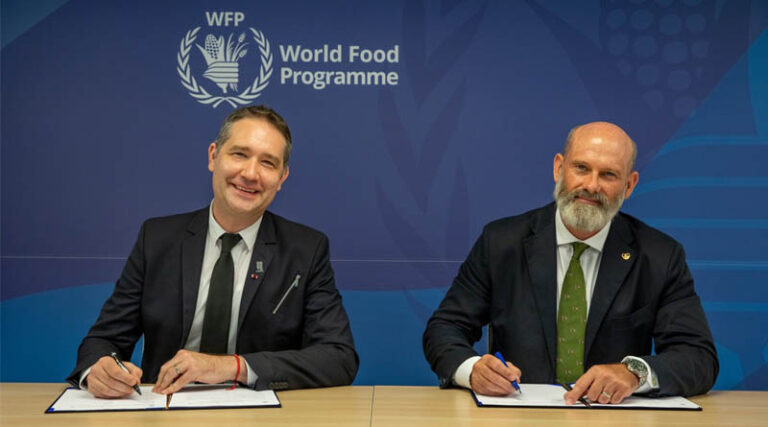
06 August 2026, Italy: The International Maize and Wheat Improvement Center (CIMMYT) and the United Nations World Food Programme (WFP) have signed a global Memorandum of Understanding (MoU) aimed at strengthening food security, improving crisis response, and building more resilient agricultural systems in the face of growing global challenges.
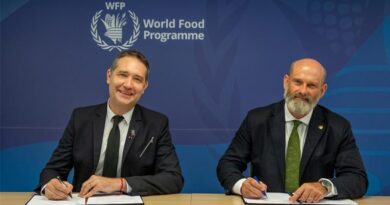
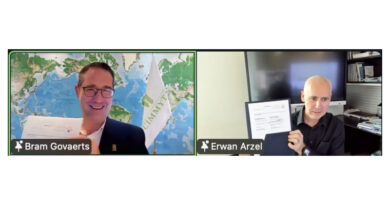
The agreement, signed at WFP Headquarters in Rome by Dr. Bram Govaerts, Director General of CIMMYT, and Matthew Hollingworth, Assistant Executive Director of WFP, establishes a framework for closer collaboration between the world’s leading humanitarian agency and one of the foremost agricultural research organizations.
The partnership comes as food systems worldwide face mounting pressure from armed conflicts, climate change, economic instability, and supply chain disruptions. Under the MoU, the two organizations will combine humanitarian assistance with agricultural innovation to help countries respond to immediate food crises while strengthening long-term resilience.
By leveraging WFP’s global humanitarian network and CIMMYT’s nearly 80 years of expertise in crop science, seed systems, sustainable farming, and smallholder agriculture, the collaboration seeks to improve food production, restore livelihoods, and reduce vulnerability to future shocks.
“Ending hunger requires more than delivering food during emergencies. It also means helping communities recover, rebuild livelihoods, and restore the agricultural systems they depend on,” said Matthew Hollingworth, Assistant Executive Director of WFP. He added that the partnership combines WFP’s operational reach with agricultural science to accelerate recovery and promote self-reliance.
Dr. Bram Govaerts, Director General of CIMMYT, said food security extends beyond emergency response. “Protecting people during crises must be followed by restoring agricultural production and preparing farming systems for future shocks. By combining humanitarian leadership with scientific innovation, we can help countries move from crisis to resilience while preventing future emergencies wherever possible.”
Sudan Project Demonstrates Growing Collaboration
The agreement builds on ongoing cooperation between the two organizations, including the Boosting Agrifood Systems Resilience (BOOST) project in Sudan, supported by the African Development Bank.
The four-year initiative aims to support more than 230,000 farming households and enable the production of nearly one million metric tonnes of cereals and pulses, sufficient to meet the annual cereal requirements of almost nine million people. The programme focuses on strengthening seed systems, promoting climate-resilient farming practices, improving market access, and reducing post-harvest losses to help communities rebuild agricultural production after years of conflict.
Integrating Humanitarian Action with Agricultural Science
CIMMYT and WFP said the strengthened partnership reflects a shared commitment to addressing both immediate humanitarian needs and the structural challenges affecting global food systems. By integrating emergency response with agricultural research and innovation, the organizations aim to support countries in anticipating, adapting to, and withstanding future food security shocks while reducing long-term dependence on humanitarian assistance.
Also Read: FMC to Launch New Herbicide Keenali for Paddy Weed Control in India
Global Agriculture is an independent international media platform covering agri-business, policy, technology, and sustainability. For editorial collaborations, thought leadership, and strategic communications, write to pr@global-agriculture.com