ATENS Extends Tricoten WP to Maize Seed Treatment in France
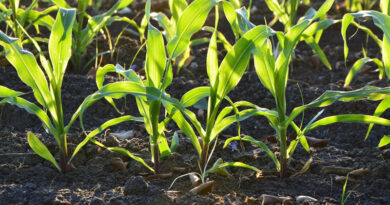
06 November 2026, Paris, FR: Spanish biotechnology company ATENS (Agrotecnologias Naturales S.L.) has secured approval in France to extend the use of its biological fungicide TRICOTEN WP to seed treatment, adding a new application for a product that was previously authorized only for foliar and soil use. The extension allows growers to treat maize seed with the product ahead of planting, protecting against Pythium, a soil-borne pathogen that attacks germinating seed and emerging seedlings and can compromise crop establishment before plants reach the surface.
TRICOTEN WP is built around a proprietary strain of the beneficial fungus Trichoderma atroviride, designated AT10, which ATENS has researched and developed in-house. Trichoderma species work against soil pathogens through several mechanisms, including competing with them for space and nutrients around the root zone, producing compounds that suppress pathogen growth, and triggering natural defense responses in the plant itself. ATENS manufactures TRICOTEN WP through solid-state fermentation, a process that yields mature, stable fungal spores rather than vegetative cells. The company has formulated the product specifically to keep the microorganism viable through the drying, storage and handling steps involved in commercial seed treatment, a hurdle that has historically limited how many biological products could move from foliar or in-furrow use into seed coatings.
Founded in 1994, ATENS specializes in developing and manufacturing microorganism-based products for agriculture, and TRICOTEN WP has been part of its biofungicide range for several years, sold for use against soil-borne disease through conventional spray and drench applications. The France approval marks the product’s first authorized use specifically as a seed treatment rather than as a foliar or soil application, widening the range of ways growers can deploy the same active organism across a season.
Comparable Results to Chemical Treatments
In trials supporting the French registration, ATENS reported that TRICOTEN WP achieved reductions in Pythium disease incidence comparable to the chemical reference products included in the same evaluation. The company has not published the underlying trial data, including the specific disease pressure levels, trial locations or number of sites used to reach that conclusion. Pythium species are common in temperate maize-growing regions, particularly in cool, wet soils during early spring planting, when seed and seedlings are most vulnerable before they establish resistance to infection. Left uncontrolled, Pythium damping-off can thin stands and force growers to replant affected fields, adding cost and delaying the season.
Maize is one of the largest row crops grown across the European Union. Eurostat data cited in connection with the approval show the bloc produced close to 59 million tonnes of maize in 2024, accounting for roughly 23 percent of its total cereal output. A biological seed treatment option for a pathogen affecting a crop grown at that scale would give growers and seed companies an additional tool alongside synthetic seed-treatment chemistries, several of which face tightening regulatory review in the European Union as authorities reassess older active substances.
Next Steps Beyond France
ATENS has said it intends to pursue the same seed-treatment use in other European markets, though it has not yet obtained those approvals. The company plans to rely on the European Union’s mutual recognition procedure, under which an authorization granted in one member state can serve as the basis for a faster review in another, rather than restarting the full registration dossier in each country. ATENS has not specified which markets it will pursue first or when it expects additional approvals to be granted.
The France approval adds to a broader push among biological crop protection suppliers to move into the seed treatment segment, a category that chemical fungicides and insecticides have dominated for decades. Seed treatment lets growers apply crop protection material at a far lower volume than a foliar spray, since the active ingredient is concentrated on the seed itself rather than distributed across a field. That efficiency has made seed treatment an increasingly competitive category as biological alternatives mature enough to deliver the consistency that commercial seed treaters and seed companies require before they will add a new product to their lineup.
Also Read: Syngenta Expands Zivalgo, Incipio Insecticide Use In Florida
Global Agriculture is an independent international media platform covering agri-business, policy, technology, and sustainability. For editorial collaborations, thought leadership, and strategic communications, write to pr@global-agriculture.com