Bird Flu Confirmed at Poultry Farms in England and Scotland
06 November 2026, London, GB: Highly pathogenic avian influenza, commonly known as bird flu, has been confirmed in commercial poultry at farms in North Lincolnshire, England, and the Scottish Borders within the space of two days, according to the UK’s Department for Environment, Food and Rural Affairs and the Animal and Plant Health Agency. The H5N1 strain was confirmed near Brigg, North Lincolnshire, on 4 November, while a case near Biggar in the Scottish Borders, confirmed by the Scottish Government on 2 November, brought the number of confirmed cases so far in the 2026-27 outbreak season to four across the UK.
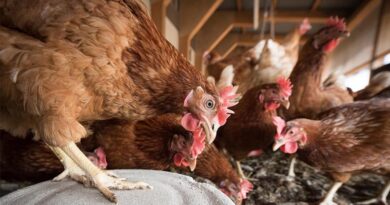
In both cases, authorities have declared a 3 kilometer protection zone and a 10 kilometer surveillance zone around the affected premises, and all poultry on the two farms are being humanely culled as part of standard disease control procedures. Industry estimates put the number of birds at the Lincolnshire farm, a commercial duck operation, at around 64,000, though the official case notification from Defra and APHA does not specify a bird count.
Four cases confirmed since the season began in October
The current UK bird flu season formally began on 1 October, and the Brigg and Biggar cases bring the season total to three H5N1 cases and one H5N5 case across the country. England has recorded two H5N1 cases, Scotland has recorded one case of each strain, and Wales and Northern Ireland have recorded none so far this season. The first case of the season was confirmed in Scotland in early October, followed by an H5N1 case near Belford in North Northumberland on 19 October. A protection zone around an earlier case on the Isle of Lewis was lifted on 30 October and folded into the wider surveillance zone there.
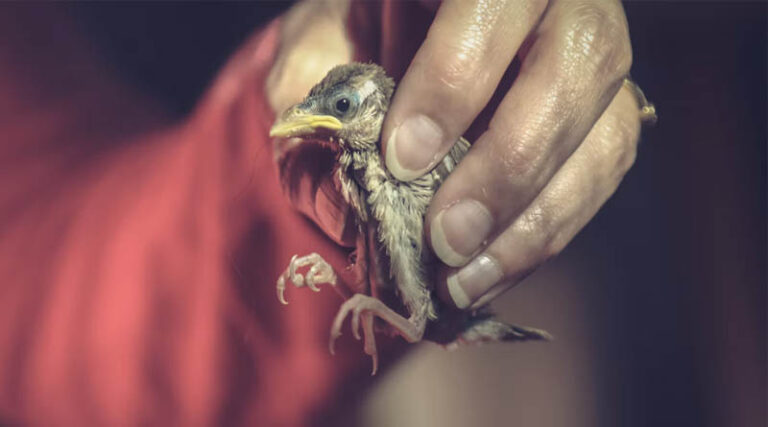
Because of the recurring detections, the UK is no longer classified as free of highly pathogenic avian influenza under World Organisation for Animal Health reporting rules, a status that lapses whenever a country records ongoing cases rather than achieving a clean reporting period. Defra and APHA assess the risk of H5 avian influenza in wild birds across Great Britain as medium, meaning such events occur regularly, while the risk to poultry is rated low where biosecurity is suboptimal and very low where stringent biosecurity measures are consistently applied, both with a high degree of uncertainty attached to the assessment.
Neither England nor Scotland currently has a nationwide housing order in force requiring all kept birds to be housed indoors, based on the latest government guidance, though keepers in and around the declared zones face specific movement and biosecurity restrictions. The UK Health Security Agency has said bird flu remains primarily a disease affecting birds and that the risk to the general public’s health is very low, while the Food Standards Agency has assessed the food safety risk to UK consumers as very low, noting that properly cooked poultry and eggs remain safe to eat.
The latest cases follow a now familiar seasonal pattern in the UK, where migratory wild bird movements in autumn and winter typically increase the risk of the virus being introduced into commercial flocks. Authorities have repeatedly urged all bird keepers, from large commercial operations to small backyard flocks, to maintain rigorous biosecurity measures, including controlling access to bird housing, cleaning and disinfecting footwear and equipment, and minimizing contact between kept birds and wild birds, as the risk of further detections continues through the winter migration period.
Also Read: Syngenta Expands Zivalgo, Incipio Insecticide Use In Florida
Global Agriculture is an independent international media platform covering agri-business, policy, technology, and sustainability. For editorial collaborations, thought leadership, and strategic communications, write to pr@global-agriculture.com