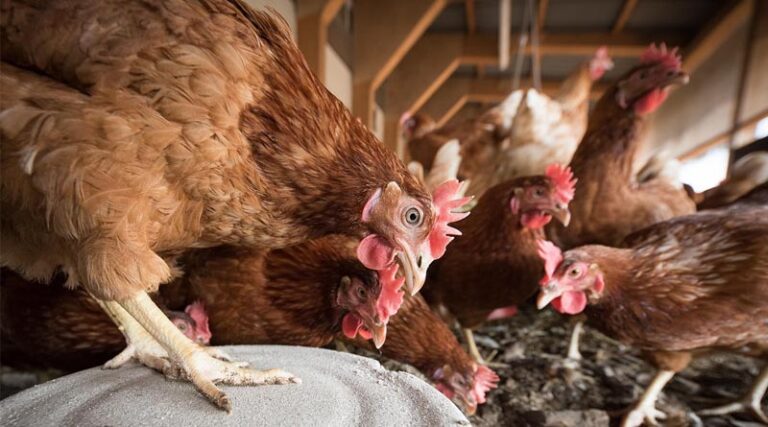
Bird Flu Returns Early to Minnesota, Catching Poultry Industry Off Guard
30 September 2026, Minnesota: Highly pathogenic avian influenza (HPAI) has resurfaced in Minnesota well ahead of its usual seasonal pattern, with state animal health officials confirming outbreaks at ten flocks since September 1, including seven commercial operations and three backyard flocks, affecting more than 260,000 birds in total. The timing has unsettled officials in a state that produces more turkeys than any other in the country.
Minnesota had gone roughly a month and a half without a confirmed HPAI case following an earlier round of infections detected in spring 2026. The virus reappeared on September 1 at a commercial flock of nearly 29,800 birds in Wright County, west of the Minneapolis-St. Paul metro area, and has since turned up at additional commercial and backyard sites across the state. Shauna Voss, assistant director of the Minnesota Board of Animal Health, said the early arrival caught officials by surprise. “Usually, the disease pops up in October,” Voss said. “It’s unknown why HPAI is here so early this fall.”
Minnesota raises roughly 45 million turkeys annually, more than any other US state, making it a bellwether for how the country’s poultry sector will fare through the autumn migratory season, when wild waterfowl typically carry the virus into contact with commercial flocks. Producers in the state have spent recent years investing heavily in biosecurity measures such as controlled entry points, dedicated equipment and stricter visitor protocols, yet the virus has proven persistent, particularly for outdoor and free-range operations that have more contact points with wild bird populations.
Early onset raises questions for the season ahead
The early timing matters because it compresses the window producers typically have to prepare defences before wild bird migration peaks. State officials have not identified why the virus returned a month ahead of its usual pattern, though avian influenza researchers have previously pointed to shifting migratory timing and expanding viral reservoirs in wild bird populations as possible contributing factors across multiple flu seasons. Minnesota’s Board of Animal Health has not announced new mandatory measures beyond its existing surveillance and reporting protocols, but the early detections are likely to prompt renewed attention to biosecurity compliance across the state’s poultry belt heading into the higher-risk months of October and November.
Live Newsroom
Repeated waves of HPAI in North America over the past several years have periodically tightened supplies of turkey and eggs and pushed up retail prices when large numbers of birds have had to be culled to contain outbreaks. Whether this early flare-up grows into a season comparable to past severe years will depend heavily on how quickly the virus spreads once migratory bird traffic intensifies in the coming weeks.
Also Read: Dhanuka Agritech Launches Adjuvant Wetcit Neo and Rice Blast Fungicide Fujita for the Indian Market
Global Agriculture is an independent international media platform covering agri-business, policy, technology, and sustainability. For editorial collaborations, thought leadership, and strategic communications, write to pr@global-agriculture.com