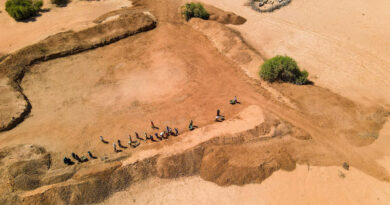
06 November 2026, Manila, PH: The Philippine government has allocated around $123.2 million for readiness and response measures against a “very strong” El Nino weather pattern expected to persist into next year, according to the United Nations Philippines. The funding is being coordinated through Task Force El Nino, a body composed of the Department of Agriculture, the Office of Civil Defense, the Department of Environment and Natural Resources and other agencies, which is directing nationwide measures to protect water security, food supply, public health, public safety and energy resilience.
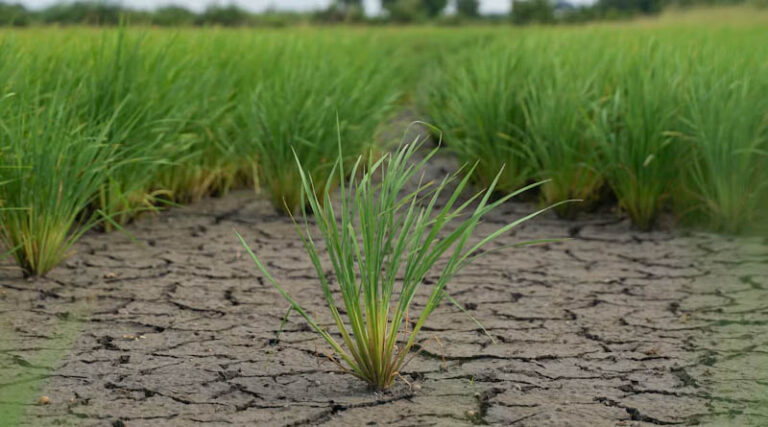
The Department of Agriculture has identified about 2.26 million hectares of rice growing areas as vulnerable to the current El Nino episode, citing assessments from the Philippine Rice Research Institute. Of that area, 323,263 hectares are classified as very low risk and 627,774 hectares as low risk, with farmers in both categories advised to continue planting as normal. A further 1.01 million hectares fall into combined moderate and high risk categories, where planting may proceed but with caution given potential water supply constraints. Around 171,634 hectares are rated very high risk, where the department is recommending farmers shift to alternative, less water intensive crops, while 128,172 hectares are considered potentially unplantable because of a lack of available irrigation water, prompting advice for a temporary halt to planting in those areas.
Palay output projected to fall by at least a million tonnes
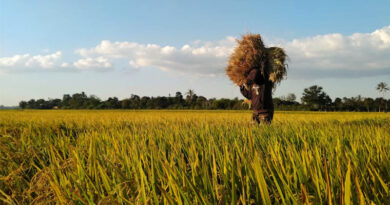
The Department of Agriculture’s revised projection points to a reduction in palay, or unmilled rice, production of at least one million metric tons in 2026 because of the dry spell, which would bring total production for the year down to roughly 18 million metric tons if the forecast holds. Agriculture officials and the United Nations agency both describe the current El Nino as unusually strong, with drought conditions expected to affect around 54 provinces by the end of the year. One in every three barangays nationwide has been identified as vulnerable in terms of water supply, prompting funding to expand water service coverage in those areas.
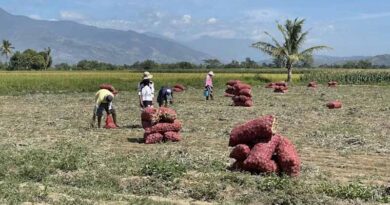
The Department of Agriculture estimates that more than two million hectares of rice farmland could ultimately be affected by the El Nino episode, with around 4.6 million farmers and fisherfolk expected to feel some impact on their livelihoods. As of early November, 109 cities and municipalities across the country had declared a state of calamity in response to the drought conditions.
The weather agency PAGASA has also flagged immediate public health concerns tied to the dry, hot conditions, warning that around five areas of the country were expected to experience dangerous heat index levels. Authorities have said peak electricity demand could rise by as much as 10.7 percent as households and businesses increase cooling and water pumping in response to the heat, adding further strain to infrastructure already being stretched by the drought response.
Government agencies are also stepping up public health communication on heat related illness and preparing hospitals for a possible rise in patients as the hot, dry conditions continue. The $123.2 million allocation is intended to support this broader readiness effort across water, food, health, safety and energy sectors rather than being directed solely toward agricultural relief, reflecting the scale of the response Philippine authorities are organizing as the El Nino pattern is expected to persist well into next year.
Global Agriculture is an independent international media platform covering agri-business, policy, technology, and sustainability. For editorial collaborations, thought leadership, and strategic communications, write to pr@global-agriculture.com