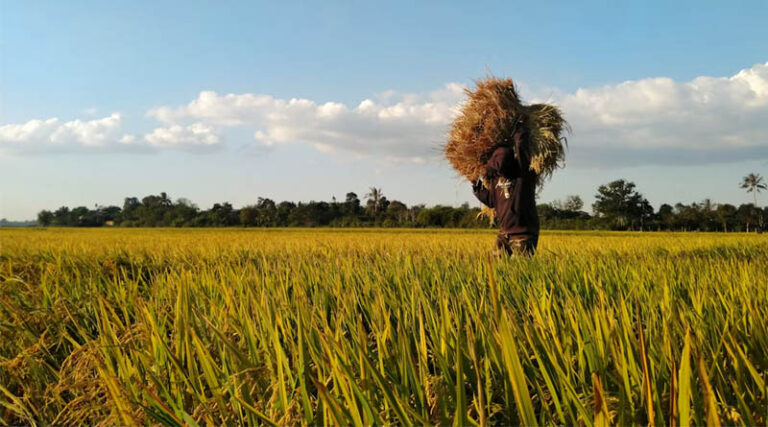
05 November 2026, Manila, PH: The Philippines’ Department of Agriculture warned that El Nino could inflict its heaviest blow on the country’s farm sector in the first half of 2027, potentially pushing rice production losses beyond one million metric tons and driving up food prices. DA spokesperson and Assistant Secretary Arnel V. de Mesa said the worst effects of the weather phenomenon are expected to emerge next year, when reduced rainfall could weaken domestic farm output while tightening regional rice supplies and pushing up international prices.
De Mesa, speaking at the Kapihan sa Manila Bay forum, said the agency has already raised its projected rice production losses from 700,000 metric tons to one million metric tons, and warned the damage could worsen depending on El Nino’s severity and duration and the availability of irrigation water. The “real impact” of El Nino will not be felt this year but next year, he said, specifically in the first half, when a disruption to Southeast Asia’s dry cropping season could affect production and send international rice prices higher.
Damage could extend beyond rice
De Mesa said rainfed farms would bear the brunt of the phenomenon, since reduced rainfall limits the area that can be planted, potentially dragging down overall agricultural output despite higher productivity per hectare during warmer weather. He said the damage could extend beyond rice to corn, vegetables, livestock and fisheries, and cautioned that losses could exceed current projections if El Nino persists longer than expected and irrigation supplies become insufficient to sustain production.
Even so, de Mesa said the country’s current position remains “favorable,” since existing supply should be enough to sustain the country through El Nino even if problems emerge in the first half of next year, which he said the agency hopes will not happen.
The agency’s latest data show El Nino had already caused 8.57 billion pesos in agricultural losses as of October 21, affecting 288,058 farmers and 291,154 hectares of farmland nationwide. Total production losses reached 220,307 metric tons, including 71,408 metric tons of rice and 132,290 metric tons of corn, according to the department. To mitigate the impact, the agency has provided 11.34 billion pesos in initial assistance, including production support and crop insurance.
On the import side, the department said rice imports had reached 4.8 million metric tons as of October, with total arrivals potentially climbing to between 5.5 million and 5.8 million metric tons by December. The department said it is favoring cheaper 25 percent broken rice, which costs around $370 to $380 per metric ton, compared with approximately $500 for five percent broken rice.
That price gap, the department said, is one reason it is leaning toward the cheaper grade as it works to secure supply while international prices remain favorable and the peso stays weak against the dollar. Locking in lower-cost imports now, before El Nino’s effects intensify in Southeast Asia’s dry cropping season, is intended to help the country build a cushion of supply ahead of the period when de Mesa said regional rice prices could surge. The department maintained that the country has sufficient rice inventories to cushion the impact of El Nino as the phenomenon’s effects build toward their expected peak in the first half of 2027, even as it continues to track the scale of losses from the damage already recorded since the start of the dry spell.
Global Agriculture is an independent international media platform covering agri-business, policy, technology, and sustainability. For editorial collaborations, thought leadership, and strategic communications, write to pr@global-agriculture.com