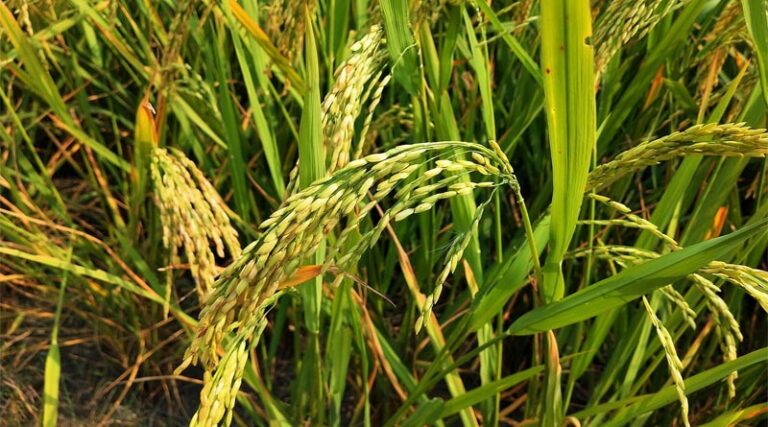
Sri Lanka Rice Output Hits Record High on Fertilizer Import Surge
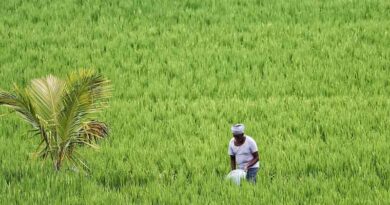
15 September 2026, Colombo: USDA now estimates Sri Lanka’s 2025/26 rice production, on a milled basis, at a record 3.7 million metric tons, up 12 percent from last month, 15 percent above the prior marketing year, and 19 percent above the five year average. Harvested area is estimated at a record 1.2 million hectares, up 2 percent on month and 4 percent on year, while yield is estimated at 4.62 tons per hectare on a rough basis, up 10 percent on month and 11 percent year on year.
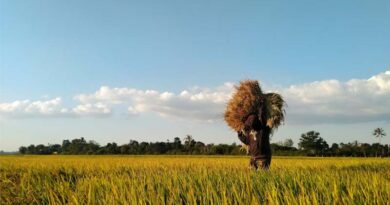
Sri Lanka grows rice across two seasons, with the yala crop harvested first, in August and September, followed by the maha crop, which completes the marketing year with harvest the following spring, in March and April. Sri Lanka’s Department of Census and Statistics had already flagged a significant increase in area, yield and production for the 2025 yala season in earlier reporting, and more recently published estimates for the 2026 maha season showing further year on year gains in both yield and production. Combined, the two seasons pushed the full marketing year to record territory for area, yield and production alike.
USDA identifies the key driver behind this year’s yield gains as a sharp increase in fertilizer imports during 2025, which came in more than 60 percent higher than the previous year. That surge follows the government’s reversal of its 2021 chemical fertilizer ban, a policy that had triggered a multi season yield collapse for Sri Lankan agriculture when it was first introduced, prompting a subsequent policy course correction.
The Sri Lanka case offers one of the clearest illustrations in this month’s report of the direct link between fertilizer policy and national crop output. A single policy decision, the 2021 ban, drove yields down sharply for several seasons, and its reversal, paired with the resulting surge in fertilizer imports, has now driven yields to a record high within a few years. For fertilizer companies and policymakers in India and other markets that periodically debate input subsidy structures or organic transition mandates, Sri Lanka’s experience is a concrete data point on the scale of yield impact that fertilizer access, or its absence, can have on staple crop production. It also signals a larger addressable fertilizer import market in Sri Lanka going forward, relevant for Indian fertilizer exporters and traders with regional distribution interests.
Also Read: UPL Expands Nature-Based Agriculture Portfolio with Investment in Japan’s PhytoChrome
Global Agriculture is an independent international media platform covering agri-business, policy, technology, and sustainability. For editorial collaborations, thought leadership, and strategic communications, write to pr@global-agriculture.com