Ghana’s Cocoa Output Seen Falling Sharply as Ivory Coast Holds Farmgate Price
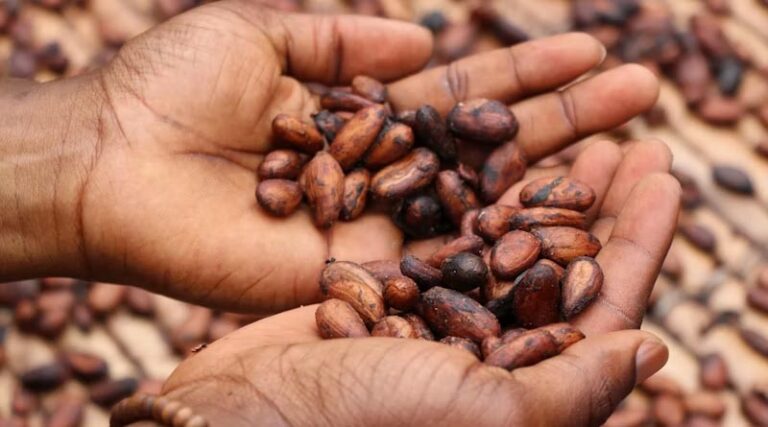
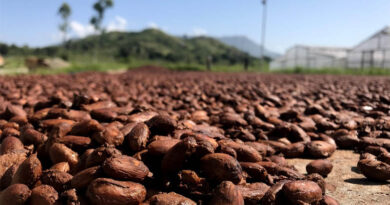
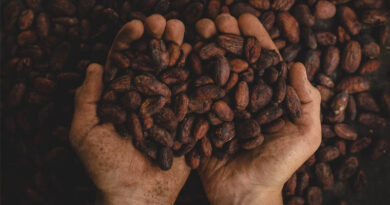
15 September 2026, Ivory Coast: Ghana’s cocoa harvest for the 2026/27 season is projected to fall between 18 and 38 percent from the prior year, a decline steep enough to have already helped push global cocoa futures up roughly 75 to 80 percent since June, as the world’s two largest producers head into a new marketing season under very different pricing strategies. The Cocoa Marketing Company of Ghana Ltd, the state entity responsible for exporting the country’s cocoa, forecasts output of between 470,000 and 620,000 metric tons for the new season, down sharply from 760,000 tons produced in 2025/26.
Wisdom Kofi Dogbey, the Cocoa Marketing Company’s managing director, pointed to a combination of structural and weather-related problems behind the decline. Ghana’s cocoa trees are ageing, disease pressure remains high, and the country experienced unusually heavy rainfall in May and June that damaged flowering trees during a critical stage of the growing cycle. Dogbey also flagged a pollination failure that he said had not been observed in Ghana in 20 years, a problem that directly reduces the number of pods that develop into harvestable beans regardless of how healthy the trees otherwise are. The 2026/27 season also falls on the lower-yielding half of cocoa’s natural biennial bearing cycle, in which trees alternate between higher and lower production years, compounding the other pressures on this year’s crop.
A Widening Price Gap Between Neighbors
Ghana’s production troubles are unfolding just as its pricing policy appears set to diverge further from that of neighbouring Ivory Coast, the world’s largest cocoa producer. Ivory Coast’s agriculture minister, Bruno Kone, announced on September 1 that the country would hold its farmgate price for the 2026/27 main crop at 1,200 CFA francs per kilogram, roughly 2.12 dollars, unchanged from the reduced level set in March for mid-crop sales. That price remains well below the record 2,800 CFA francs per kilogram Ivory Coast had paid at the height of the 2024/25 price boom, a level the government rolled back once global cocoa prices retreated from their earlier peaks.
Ghana, by contrast, is reportedly planning to raise its own farmgate price by around 6 percent for the new season, a move that would widen the gap between what Ghanaian and Ivorian farmers are paid for the same crop. Analysts who track the region’s cocoa trade warn that a meaningful price gap between the two neighbouring countries historically encourages smuggling, as farmers and middlemen near the shared border move beans across into whichever country offers the better price, distorting each nation’s official production and export statistics and complicating efforts to manage supply. Ivory Coast’s main crop harvest, the larger of its two annual harvests, is expected to run through February 28, 2027.
The production shortfall in Ghana, layered on top of ongoing concerns about ageing tree stock across the wider West African cocoa belt, has been a key driver of the sharp rally in London and New York cocoa futures since June, as traders price in a tighter global surplus than had been expected earlier in the year. Chocolate manufacturers and cocoa butter processors worldwide have already been passing higher input costs through to consumers over the past two years, and a confirmed Ghanaian shortfall of this magnitude suggests that pressure is unlikely to ease soon.
Global Agriculture is an independent international media platform covering agri-business, policy, technology, and sustainability. For editorial collaborations, thought leadership, and strategic communications, write to pr@global-agriculture.com