EU Chemicals Regulator Reaffirms Glyphosate Is Not Carcinogenic Despite New Tumor Data
15 September 2026, European Union: The European Chemicals Agency’s Risk Assessment Committee concluded on September 8, 2026, that glyphosate, the world’s most widely used herbicide active ingredient, does not warrant classification as a carcinogen, reaffirming a position it first took in 2022 and has now upheld for a third time in nine years.
The committee’s review was prompted by new data from the 2025 Ramazzini Institute Global Glyphosate Study, a large-scale rat study that exposed thousands of animals to glyphosate in utero and continuously through a 104-week lifespan via drinking water. According to summaries of the study, researchers documented statistically significant, dose-related increases in several types of malignant tumors, including leukemia, with effects reported even at exposure levels the EU currently treats as safe.
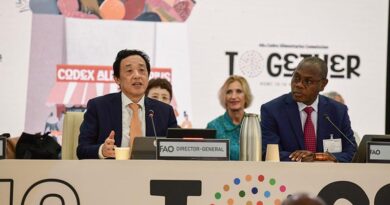
Despite those findings, the Risk Assessment Committee, known as RAC, determined that the Ramazzini data did not change the conclusions of its earlier hazard assessment, restating that glyphosate does not meet the criteria for a carcinogenicity classification under EU chemical hazard rules. The committee’s review also incorporated feedback gathered during a public consultation held in March 2026, which the European Food Safety Authority said drew more than 400 submissions. ECHA has said a full written explanation of the RAC opinion will be published on its website within a few months, though the topline conclusion was communicated immediately.
The decision keeps glyphosate’s regulatory status in the EU unchanged for now, meaning formulated glyphosate herbicides can continue to be marketed and used across the bloc under existing national authorizations, subject to the terms of the EU’s current approval of the active substance. It also keeps the EU broadly aligned with roughly twenty other national and international regulators that have reached similar no-classification conclusions on glyphosate’s carcinogenic hazard, using a risk-based assessment approach that weighs exposure levels alongside hazard data.
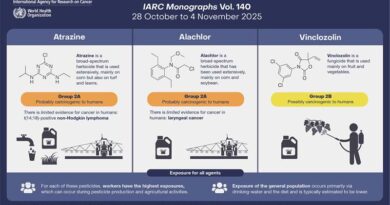
The reaffirmation is not without pushback. Health and environmental advocacy groups, including the Health and Environment Alliance and Slow Food, publicly criticized the RAC conclusion, arguing the committee understated the significance of the new tumor findings and raising questions about the independence of the scientific process behind the review. Their objections echo a long-running divide between EU-style risk-based hazard classification and the approach taken in 2015 by the World Health Organization’s International Agency for Research on Cancer, which classified glyphosate as a probable human carcinogen using a hazard-based methodology that does not factor in real-world exposure levels. That gap between the two assessment frameworks has never been formally reconciled and remains the central point of dispute in glyphosate’s decade-long regulatory and legal history.
Also Read: UPL Expands Nature-Based Agriculture Portfolio with Investment in Japan’s PhytoChrome
Global Agriculture is an independent international media platform covering agri-business, policy, technology, and sustainability. For editorial collaborations, thought leadership, and strategic communications, write to pr@global-agriculture.com