African Development Bank Launches Up to $5.1 Billion Response to Energy and Fertilizer Crisis
09 September 2026, Abidjan: The African Development Bank Group has approved a response framework that could mobilize up to $5.1 billion to help African countries manage the impact of rising energy and fertilizer costs and disruptions to global supply chains.
The Global Energy and Fertilizer Crisis Response Framework (GEFCRF) was approved by the Bank Group’s Board of Directors on September 1, 2026. It is intended to provide short-term support to countries affected by the crisis while strengthening their ability to withstand future shocks.
The framework will be financed through an additional $4.1 billion in African Development Bank lending and up to $960 million from the African Development Fund, the Bank Group’s concessional lending arm. The additional financing raises the Bank’s 2026 lending target to approximately $12.7 billion.
The response will remain in place for one year from the date of approval and will then be reviewed. Support will be demand-driven, with financing and policy measures adjusted according to the level of vulnerability in individual countries.
Fertilizer supply and food production
The Bank said rising global prices for energy, food and fertilizer are putting pressure on African economies, many of which depend heavily on imports. Disruptions to trade routes and maritime corridors are also increasing transportation costs and causing delays in deliveries.
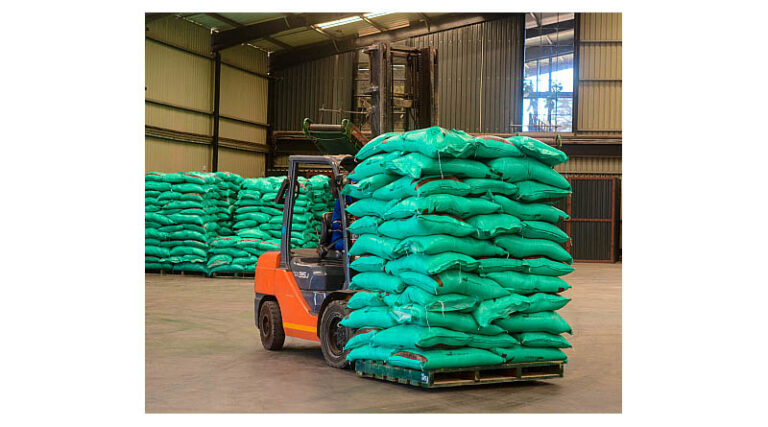
Higher fertilizer prices or shortages can directly affect farmers. When fertilizer becomes too expensive or difficult to obtain, farmers may reduce its use, potentially lowering crop yields and putting further pressure on food supplies.
The framework will address these challenges through four areas of intervention:
- Macroeconomic stability: Providing rapid financing and short-term financial support during economic shocks, alongside coordinated fiscal, monetary and debt policy measures.
- Food, energy and fertilizer supplies: Using emergency and trade finance to maintain the availability and movement of essential agricultural inputs, food and energy, while supporting vulnerable populations and market stability.
- Protection of households and essential spending: Supporting priority public spending and targeted social protection measures for vulnerable groups, including women and youth.
- Long-term resilience: Supporting reforms aimed at reducing dependence on volatile international energy, food and fertilizer markets, diversifying supply chains and developing regional solutions.
Abdul Kamara, Acting Vice President for Country and Regional Operations at the African Development Bank, said the framework is intended to help countries protect households, maintain food, fertilizer and energy systems and strengthen resilience beyond the immediate crisis.
Martin Fregene, Officer in Charge Vice President for Agriculture, Human and Social Development, said the framework would also address the pressures facing African farmers as disruptions linked to the conflict in the Middle East affect global trade.
“When fertilizer becomes too expensive or difficult to find, farmers use less and harvests can suffer,” Fregene said. He added that access to finance can help businesses maintain fertilizer flows to farmers while longer-term measures are developed to strengthen fertilizer markets and increas
Also Read: Bayer Advances Plan to Launch 10 Blockbuster Products Over the Next 10 Years
Global Agriculture is an independent international media platform covering agri-business, policy, technology, and sustainability. For editorial collaborations, thought leadership, and strategic communications, write to pr@global-agriculture.com