Ivory Coast Cuts Cocoa Farmgate Price by 57% for New Season
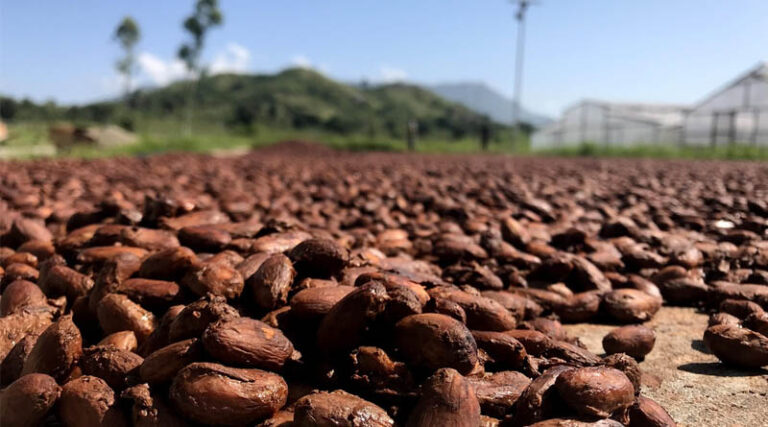
09 September 2026, Abidjan, Ivory Coast: Ivory Coast’s government has set the farmgate price for the 2026/27 main cocoa crop at 1,200 CFA francs ($2.05) per kilogram, a 57 percent cut from the 2,800 CFA francs paid a year earlier. Agriculture Minister Bruno Kone announced the price on September 1, opening a season that runs through February 28, 2027, in what is the world’s largest cocoa-producing country.
For the roughly 1.2 million households that grow cocoa in Ivory Coast, many of whom draw two-thirds of their income from bean sales, the cut translates into a direct hit to farm revenue. A farmer selling one tonne of beans this season will earn 1.2 million CFA francs, down from 2.8 million CFA francs last year. The new rate matches the price the government had already set for the mid-crop season back in April, so it is not a fresh shock for growers who have watched prices soften through the year, but it confirms that the decline is not temporary.
How the price is set
Ivory Coast fixes its farmgate price twice a year through a forward-selling system run by the state-backed Coffee-Cocoa Council, which sells a large share of the anticipated harvest to exporters and chocolate makers before the beans are even picked. For 2026/27, the council had forward-sold close to 1 million tonnes against what the ministry described as high volatility in international markets. In its statement, the ministry said its responsibility was to set a price that is “as high as possible based on the sales completed by the Coffee-Cocoa Council, but also a price that is financially and budgetarily sustainable.”
The underlying reason for the cut is the sharp retreat in world cocoa prices from the record highs reached earlier in the decade, when supply shortfalls out of West Africa sent futures soaring. As those prices have come down, Ivory Coast’s forward-selling formula, which locks in revenue based on prices agreed months in advance, has passed the decline directly to farmers. Neighboring Ghana, the world’s second-largest producer, was expected to hold its own farmgate price at a similar level for the new season, suggesting the region is moving in step.
The price cut lands at an awkward moment for farm economics. Ivory Coast’s fertilizer use jumped 41 percent in 2025 to more than 593,000 tonnes, with cocoa farmers alone applying over 150,000 tonnes as they try to lift yields on aging tree stock. But fertilizer costs have been climbing globally since a Middle East conflict in February 2026 disrupted shipping through the Strait of Hormuz, a key corridor for phosphate and potash cargoes. The World Bank has warned that fertilizer prices could rise more than 30 percent this year if the disruption persists, meaning Ivorian farmers face lower revenue per tonne of cocoa at precisely the time their cost of production is rising.
Trade analysts at StoneX are forecasting an 11 percent decline in Ivory Coast’s cocoa production this season, to 1.77 million tonnes, citing aging plantations, the spread of cacao swollen shoot virus disease, and the risk that developing El Niño conditions could bring uneven rainfall. Farmer groups have already voiced disappointment with the frozen price, arguing it does little to help growers reinvest in replanting or crop protection at a time when input costs are rising rather than falling.
Global Agriculture is an independent international media platform covering agri-business, policy, technology, and sustainability. For editorial collaborations, thought leadership, and strategic communications, write to pr@global-agriculture.com