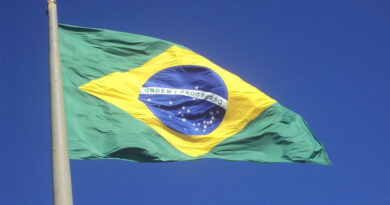
15 September 2026, São Paulo: Brazil’s Ministry of Agriculture and Livestock (MAPA), through its General Coordination of Pesticides and Related Products, published Act No. 55 of 2026 on September 10, adding 113 items of post-registration changes to pesticides already approved for use in the country, plus a further set of rectifications to earlier notices. The act was reviewed in detail by Brazilian agricultural policy commentary published on September 14, which found that roughly 70 percent of the changes expand existing product registrations rather than approve anything entirely new, by adding manufacturers, formulators, importers, product brand names, or additional target crops and pests to labels that were already on the market.
Among the active ingredients affected are glyphosate, the world’s most widely used herbicide, along with the insecticide chlorantraniliprole and the herbicide picloram, all of which saw their registered scope broadened through the act. Chinese manufacturers featured prominently among the companies gaining new registration rights or label expansions across multiple product lines, reflecting the continued growth of Chinese technical grade suppliers in the Brazilian market. Notably, Act No. 55 also reversed four items that had been included in Act No. 53, a prior notice published only nine days earlier, illustrating how frequently individual line items in Brazil’s registration system are corrected or walked back even after formal publication.
This pattern points to a structural feature of how Brazil’s pesticide market grows. Formal registration of a new active ingredient, the step most closely watched by international observers and covered under Brazil’s joint MAPA, Anvisa, and Ibama review process, is only the entry point. Once a product is registered, a steady stream of subsequent administrative acts can add new manufacturers, brands, crops, and use patterns without requiring the same level of public visibility or scrutiny as an original registration. Tracking the full regulatory status of a single active ingredient in Brazil therefore requires piecing together an original registration alongside every subsequent amendment, correction, and cancellation that follows it, a task that falls largely to specialist trade counsel, distributors, and dedicated policy trackers rather than the general public.
For companies operating in Brazil, this system offers a relatively fast route to broadening market access for products they already sell, since expanding an existing registration to cover a new crop or adding a new importer of record does not require the multi-year data package needed for a first-time registration. For competitors and export-market regulators trying to monitor what is actually approved for use in Brazil at any given time, the same system creates a moving target, since the working scope of a product’s approval can shift multiple times a year through these routine acts.
Brazil remains one of the largest single markets for crop protection products in the world, and its registration system, alongside those of the United States, China, and the European Union, is closely watched as a bellwether for how quickly and how broadly agrochemical companies can commercialize both new and established chemistries. Continued expansion of use patterns for a foundational herbicide like glyphosate, alongside newer additions like chlorantraniliprole, signals that Brazilian growers will keep gaining access to established, well-understood chemistries across a widening range of crops, even as international attention remains focused mainly on new active ingredient approvals. For international suppliers and traders, the steady stream of import and manufacturer additions is also a practical signal of where competitive pressure inside Brazil’s technical grade and formulation markets is building, particularly from Chinese suppliers expanding their registered footprint act by act.
Global Agriculture is an independent international media platform covering agri-business, policy, technology, and sustainability. For editorial collaborations, thought leadership, and strategic communications, write to pr@global-agriculture.com