05 September 2026, São Paulo: Brazil’s Ministry of Agriculture and Livestock (MAPA) published a single regulatory act on September 1, 2026, known as Ato No. 53, containing 199 separate post registration decisions covering pesticides already approved for use in the country. An analysis of the act published on September 3 found that the large majority of these decisions expanded the commercial infrastructure around existing pesticide registrations, rather than approving new active ingredients outright, renewing debate over how Brazil’s pesticide expansion is tracked and reported.
Of the 199 decisions, 139, or roughly 70 percent, were classified as expansions. These included adding new importers, formulators, technical material sources, brand names, or new approved uses to products that were already registered. The remaining decisions were split between 38 restrictions, cancellations or exclusions, and 22 that were administrative or neutral in nature. Within the expansive category, the act authorized 53 new importers, approved 35 new formulators, and added 31 new technical grade products to existing registrations.
China featured prominently in the act, appearing explicitly in 22 of the 199 items, 18 of which were classified as expansions. Companies based in China, including Jiangsu Flag Chemical Industry, were added as approved formulators multiple times across different product registrations, reflecting the growing role Chinese manufacturers play in supplying technical grade pesticide ingredients and finished formulations to the Brazilian market.
The analysis also flagged that some of the newly authorized imports involved active ingredients that are banned in the European Union, including chlorpyrifos, an insecticide the EU withdrew from use in 2020 over neurotoxicity concerns, and propiconazole, a fungicide the EU stopped approving in 2018. Both substances remain legal for use in Brazil under existing national rules, and the September 1 act granted new import authorizations tied to products containing them, though it did not introduce any new bans on either substance.
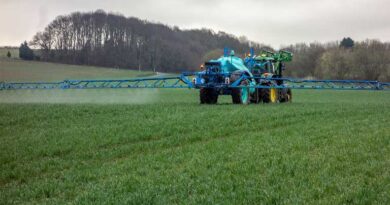
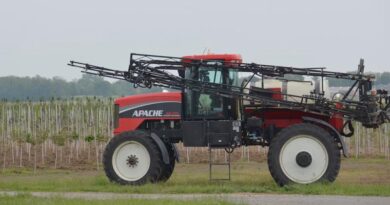
Beyond supply chain changes, the act also modified how certain existing products can be applied in the field. Among the usage changes, aerial application was newly approved for potato and tomato crops for at least one previously registered product, expanding the practical reach of products already on the market without requiring a new active ingredient registration.
The central point raised by the analysis is that Brazil’s pesticide regulatory system generates two very different types of news: headline announcements of brand new active ingredient registrations, which are relatively rare and heavily reported, and a much larger, steadier stream of post registration modifications, which extend the commercial footprint of already approved products but rarely attract public attention. Because these decisions are published administratively rather than announced as standalone news events, the analysis argued that the true pace of pesticide market expansion in Brazil is understated when public discussion focuses only on new registrations.
Global Agriculture is an independent international media platform covering agri-business, policy, technology, and sustainability. For editorial collaborations, thought leadership, and strategic communications, write to pr@global-agriculture.com